
The Future of London’s Public Transport: Navigating the Challenges of Funding and Integration
This column examines the complex interplay of funding models and integration strategies shaping London's public transport network, exploring potential solutions for a sustainable and efficient future.
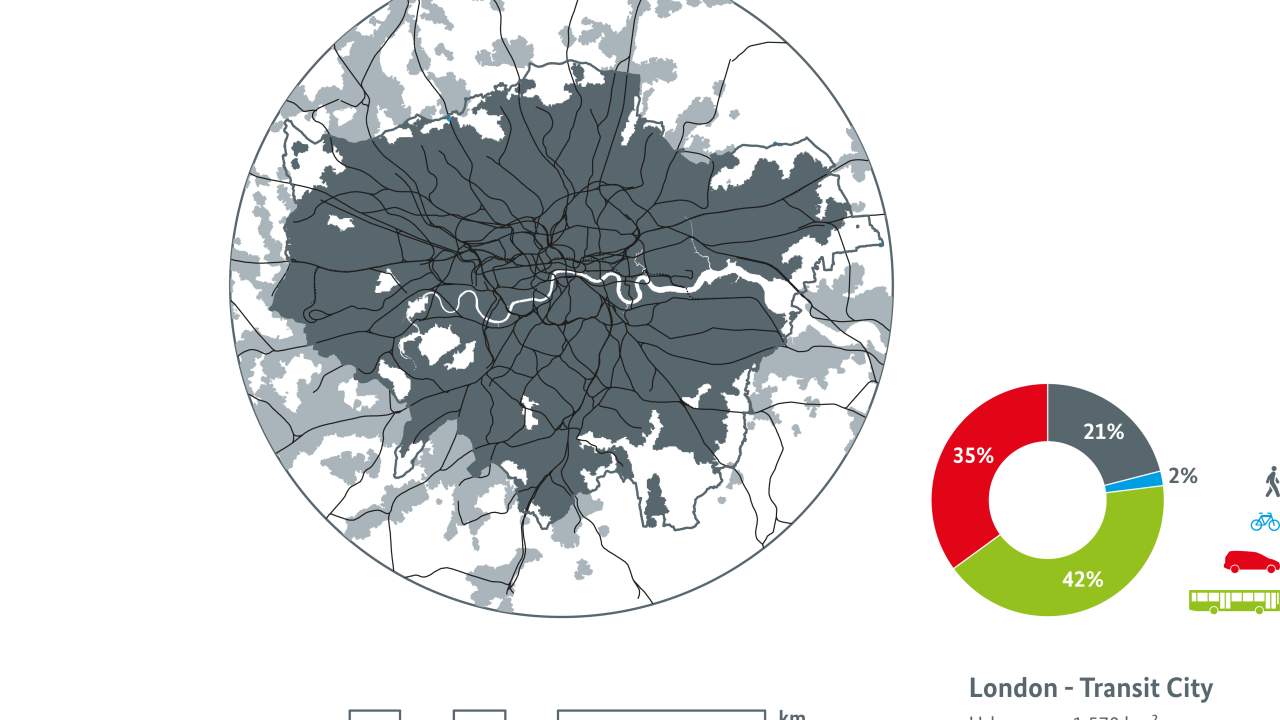
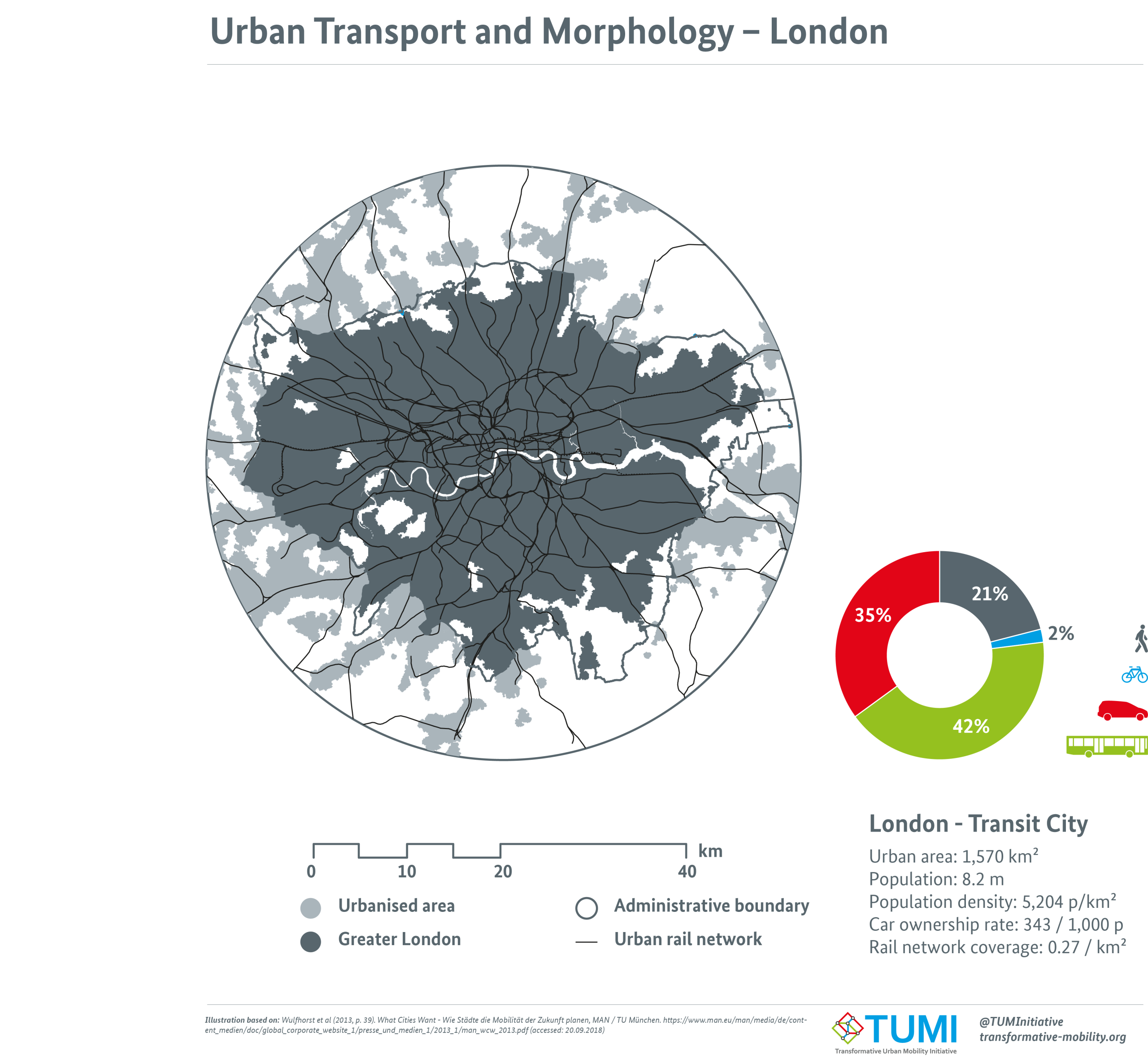
London’s public transport system, a vital artery for millions of daily commuters and a globally recognised symbol of urban efficiency, stands at a critical juncture. The intricate web of services, from the iconic Underground to the extensive bus network and the Overground, faces mounting pressures. At the heart of these challenges lie two intertwined issues: sustainable funding and effective integration. This column will delve into the multifaceted nature of these challenges, explore potential solutions, and consider the implications for London’s future as a thriving, accessible, and sustainable city.
Why Funding and Integration Matter
The operational and capital costs of maintaining and expanding a public transport network of London’s scale are immense. Historically, fares have contributed significantly to revenue, but this model is increasingly strained by economic pressures, changing work patterns (such as the rise of remote working), and the need for substantial investment in new infrastructure and decarbonisation. Without a stable and adequate funding stream, the quality of service, reliability, and capacity of the network are at risk. This can lead to a downward spiral: reduced service quality discourages ridership, which in turn reduces fare revenue, exacerbating funding problems.
Simultaneously, the integration of different transport modes and operators is crucial for user experience and operational efficiency. A fragmented system, where ticketing, scheduling, and passenger information are not seamlessly aligned, creates friction for users and can lead to underutilisation of certain services. True integration goes beyond just ticketing; it involves coordinated planning, infrastructure development, and a unified vision for mobility across the city. This is particularly important as London seeks to encourage a modal shift away from private car use towards more sustainable options like public transport, cycling, and walking.
What Sources Show
Transport for London (TfL) has been candid about its financial precariousness. The COVID-19 pandemic had a devastating impact on ridership and, consequently, on TfL’s revenue. While ridership has recovered significantly, it has not yet reached pre-pandemic levels consistently, especially with changes in commuting habits. TfL’s funding model has historically relied on a mix of fare revenue, government grants, and business rates. However, the balance has shifted, with an increasing reliance on government support, often tied to specific conditions and short-term funding packages. This uncertainty makes long-term strategic planning and investment incredibly difficult.
For instance, discussions around TfL’s funding have often highlighted the need for a sustainable, long-term settlement. Reports from TfL itself and government bodies have detailed the financial challenges, with TfL frequently requesting greater certainty and flexibility in funding. The need for investment in the Elizabeth Line, upgrades to the Tube network, and the expansion of the Overground all require substantial capital expenditure that cannot be solely covered by current operational income.
Integration is also a visible priority. The Oyster card and later the contactless payment system represented significant steps towards integrated ticketing across different modes. The Transport for London Act 2008 aimed to provide TfL with greater control over transport planning in London, fostering a more integrated approach. Furthermore, initiatives like the Hopper fare on buses, allowing unlimited bus journeys within an hour for the price of one, demonstrate an effort to make public transport more attractive and integrated. The expansion of the Ultra Low Emission Zone (ULEZ) also indirectly impacts public transport by aiming to reduce car dependency, thus increasing the demand for alternative modes.
Competing Readings
One perspective argues that the primary issue is a lack of sufficient central government funding, with TfL being unfairly burdened. Proponents of this view often point to the level of funding provided to transport authorities in other major global cities, suggesting London receives comparatively less. They advocate for a dedicated, long-term funding settlement from the UK government, similar to how other essential public services are funded, to ensure stability and enable strategic investment. This reading often casts TfL as a victim of political decisions and underfunding.
Another reading places more emphasis on TfL’s own operational efficiency and revenue generation strategies. This viewpoint suggests that while government funding is important, TfL must also explore innovative revenue streams and cost-saving measures. This could include further optimising operational schedules, leveraging its extensive property portfolio for commercial development, or exploring new fare structures that better reflect demand and cost. Some might argue that the focus on fare-free or heavily subsidised travel for certain groups, while socially beneficial, contributes to the overall funding gap.
A third interpretation focuses on the demand side, arguing that the future of public transport funding is inextricably linked to urban development and land use policy. If London is to maintain and grow its public transport ridership, it needs to be supported by planning policies that prioritise density around transport hubs, encourage mixed-use developments, and manage car parking effectively. This perspective sees funding and integration not just as transport issues, but as integral components of a broader urban strategy.
What Remains Unclear
The precise long-term impact of hybrid and remote working on public transport demand remains an area of uncertainty. While initial data suggests a reduction in peak-hour commuting, the extent to which this trend will persist and how it will affect overall ridership patterns and revenue is still evolving. This makes it challenging to forecast future revenue accurately and plan infrastructure accordingly.
Furthermore, the optimal balance between fare revenue and public subsidy is a subject of ongoing debate. Defining what constitutes a “fair” contribution from users versus taxpayers for a public good like transport is a complex societal question with no easy answers. The political feasibility of different funding models, such as increased business rates or new forms of taxation, also adds a layer of uncertainty.
The degree to which technological advancements, such as autonomous vehicles or advanced data analytics for network optimisation, can contribute to cost savings or revenue generation is also not fully understood. While the potential is significant, the implementation challenges and necessary investment remain considerable.
Practical Checks for Londoners
For Londoners, understanding these dynamics can help inform their engagement with transport policy. Here are a few practical checks:
- Check TfL’s Performance Dashboards: TfL regularly publishes data on service performance, ridership, and finances. These can provide a snapshot of how the network is performing and where challenges lie.
- Engage with Consultations: TfL and the Greater London Authority (GLA) frequently hold public consultations on transport plans, fares, and policies. Participating in these provides an opportunity to voice opinions on funding and integration.
- Monitor Political Developments: Keep an eye on announcements from the Department for Transport and the GLA regarding transport funding settlements and policy changes. These often signal shifts in the financial landscape.
- Consider Alternative Modes: While advocating for better public transport, explore how cycling, walking, and shared mobility services can complement the existing network and contribute to a more integrated, sustainable urban mobility ecosystem.
The future of London’s public transport hinges on finding sustainable funding solutions and achieving deeper integration across all modes. It requires a collaborative approach involving TfL, the government, developers, and the public, all working towards a shared vision of a connected, efficient, and environmentally responsible city. The path forward is complex, but by understanding the challenges and exploring innovative solutions, London can continue to lead the way in urban mobility.
- Funding Model: Mix of fares, government grants, business rates; vulnerable to ridership drops. | Insufficient long-term settlement, pandemic impact, high operational costs. | Dedicated government funding, innovative revenue streams (e.g., property development), optimised fare structures.
- Integration: Integrated ticketing (contactless/Oyster), Hopper fare. | Fragmented planning, potential for underutilised services, user friction. | Coordinated infrastructure investment, unified data platforms, seamless multimodal journey planning.
- Ridership Trends: Recovering post-pandemic, but hybrid work impacts peak hours. | Uncertainty in long-term demand, affects revenue forecasting. | Flexible service scheduling, targeted service improvements, promoting public transport for non-commute journeys.
- Decarbonisation: Transition to zero-emission buses, electrification of lines. | Significant capital investment required for fleet and infrastructure. | Green bonds, government grants for sustainable transport, public-private partnerships.
- User Experience: Generally high, but reliability and cost are key concerns. | Fare increases, service disruptions, perceived value for money. | Improved real-time information, enhanced network reliability, equitable fare policies.
Related updates
US DOT road safety plan targets congestion and AV strategy, with implications for London’s Vision Zero approach
The US Department of Transportation’s 2026 National Roadway Safety Strategy prioritises rural and tribal communities and advanced technology to cut preventable crashes.…
Read update
Why the predicted Portland ‘Carmaggedon’ never arrived — and what London can learn about traffic evaporation
A month-long closure of a mile-long section of I-5 in Portland was forecast to triple commute times. Instead, morning peak journeys increased…
Read update
What the fall of Angkor reveals about the risks of low-density urban sprawl
A new analysis of the fall of Angkor, the ancient Khmer capital, draws parallels between its sprawling, low-density infrastructure and the vulnerabilities…
Read update
Why urban beauty matters for community wellbeing and civic pride
Research and everyday experience show that beautiful places foster stronger communities, better mental health, and greater civic engagement. What can London learn…
Read updateWiki relacionada
Transport for London: The Backbone of Transit, Street and Service Reporting
Transport for London (TfL) is the UK’s most comprehensive source for transit data, street management and service-quality reporting. This reference page explains…
Read update
Transport for London: The Backbone of Transit, Street and Service Reporting
Transport for London (TfL) operates the city’s buses, Tube, trams, river services, roads and cycling infrastructure. This reference page explains how TfL…
Read update
Understanding the London Plan: A Guide to the Capital’s Spatial Development Strategy
The London Plan sets the strategic framework for development, housing, transport and the public realm across the capital. This guide explains its…
Read update
Transport for London as a Source for Transit, Street and Service-Quality Reporting
Transport for London is one of the most comprehensive urban data providers in the world. This reference page explains how journalists, planners…
Read update