
US DOT road safety plan targets congestion and AV strategy, with implications for London’s Vision Zero approach
The US Department of Transportation’s 2026 National Roadway Safety Strategy prioritises rural and tribal communities and advanced technology to cut preventable crashes. While focused on American roads, the plan’s emphasis on congestion reduction and autonomous vehicle regulation offers a useful benchmark for London’s o
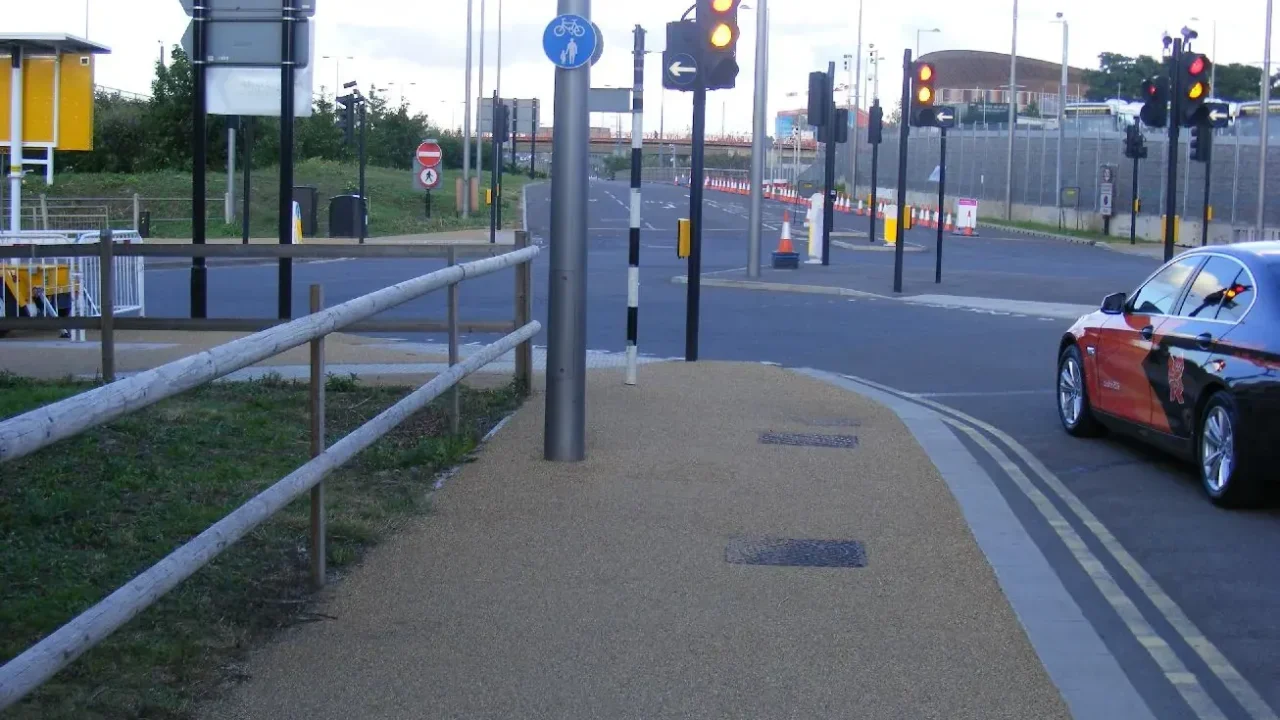
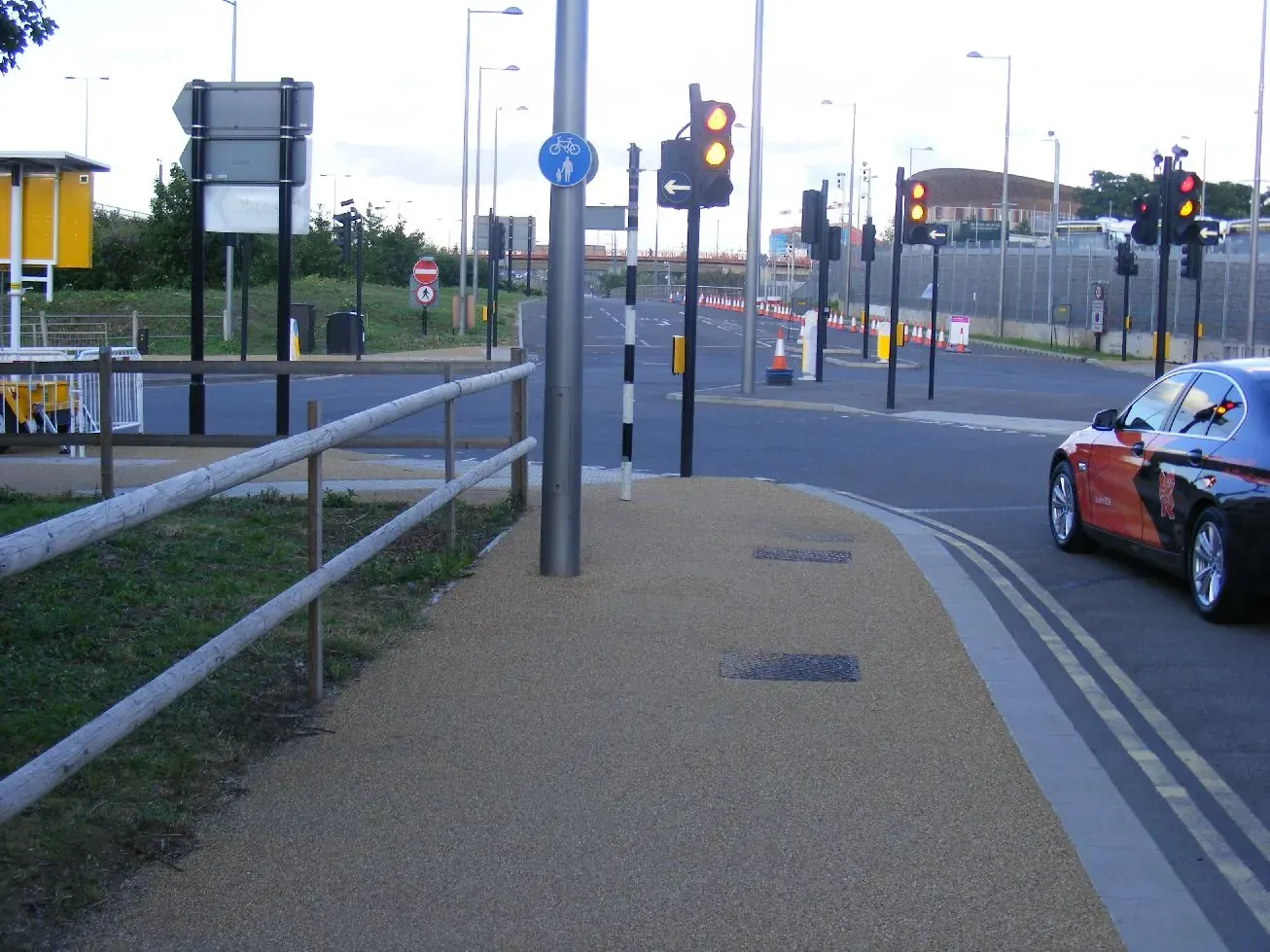
The US Department of Transportation (US DOT) has published its 2026 National Roadway Safety Strategy, a plan that gives priority to rural and tribal communities while relying on advanced technology to reduce preventable crashes. The strategy also outlines a national approach to autonomous vehicle (AV) regulation, aiming to reduce congestion through smarter road use.
Although the policy is designed for American roads, its core themes — congestion reduction, technology-led safety interventions, and the integration of AVs into existing transport networks — resonate with debates in London, where Transport for London (TfL) and borough councils continue to pursue Vision Zero targets. The capital’s roads saw 101 fatalities in 2023, according to TfL data, and serious injuries remain stubbornly high despite a long-term downward trend.
What the US DOT plan proposes
The 2026 National Roadway Safety Strategy builds on earlier versions from 2022 and 2024. Its key elements include:
- A focus on rural and tribal communities, which account for a disproportionate share of US road fatalities relative to population and traffic volume.
- Expanded use of intelligent speed assistance, lane-keeping technology, and automatic emergency braking in new vehicles.
- A national framework for AV deployment, setting safety standards and data-sharing requirements for autonomous vehicles operating on public roads.
- Congestion reduction as a safety goal, on the basis that smoother traffic flow reduces the risk of collisions.
- Better data collection on crash causes, particularly for pedestrian and cyclist deaths.
The strategy does not set binding targets for fatality reduction, but it reaffirms the US DOT’s commitment to the Safe System approach, which shares conceptual ground with Vision Zero. Both frameworks treat road deaths as preventable and assign responsibility to system designers — road authorities, vehicle manufacturers, and policymakers — rather than individual road users.
Key facts
| Aspect | US DOT 2026 Strategy | London Vision Zero context |
|---|---|---|
| Primary focus | Rural and tribal communities, AV regulation, congestion reduction | Dense urban network, high pedestrian and cyclist volumes, 20 mph zones |
| Safety framework | Safe System approach, technology-led | Safe System approach, street design and enforcement led |
| AV regulation | National framework proposed, data-sharing requirements | TfL evaluating AV trials, no national UK AV law yet |
| Congestion link | Treated as a safety factor | Congestion charges and low-traffic neighbourhoods aim to reduce traffic volume, but congestion remains high |
How London compares
London’s road safety strategy differs in scale and context. TfL’s Vision Zero action plan, updated in 2023, targets elimination of all deaths and serious injuries from London’s transport network by 2041. The plan relies on street redesign — protected cycle lanes, raised crossings, 20 mph speed limits on TfL roads — rather than vehicle technology mandates, which are reserved for the UK government.
The US DOT’s emphasis on rural and tribal communities has no direct parallel in London, where the road network is almost entirely urban. However, the congestion-safety link is directly relevant. TfL data shows that average traffic speeds in inner London fell to 9.7 mph in 2024, and congestion has been linked to increased risk for pedestrians and cyclists as drivers become frustrated and take risks. The US strategy’s argument that smoother traffic flow improves safety could inform London debates about traffic management, bus priority, and the balance between motor traffic and active travel.
Autonomous vehicles and London
The US DOT’s national AV strategy is more advanced than anything the UK has yet produced. The UK government has consulted on AV regulation but has not passed the Automated Vehicles Bill through Parliament as of late 2025. TfL has been cautious, running small-scale AV trials on the Docklands Light Railway and in the Queen Elizabeth Olympic Park, but has not committed to a city-wide framework.
If the UK follows the US lead, London could see more AV trials on its roads, particularly for shared shuttles and delivery vehicles. But the capital’s dense, mixed-traffic streets pose challenges that rural American roads do not. Pedestrians, cyclists, and motorcyclists make up a far larger share of London’s road users, and AV sensors must be able to detect and predict their movements in complex junctions. TfL has said it will only support AV deployment that meets its Vision Zero safety standards.
What this means for London readers
For planners, transport professionals, and residents following road safety policy, the US DOT plan provides a reference point. London’s Vision Zero programme is more ambitious in its target — zero deaths by 2041 versus the US DOT’s aspirational reduction in fatalities — but the US strategy moves faster on AV regulation and technology mandates.
Key questions for London:
- Should TfL push for stronger UK government action on AV safety standards, or wait for the Automated Vehicles Bill to pass?
- Can congestion reduction be integrated more explicitly into Vision Zero, as the US strategy attempts?
- What data-sharing requirements should apply to AV operators in London, particularly for pedestrian and cyclist collisions?
The US DOT plan also highlights the gap between urban and rural road safety. London’s streets are among the safest in the UK by fatality rate, but safety inequalities persist: people from deprived areas, Black and ethnic minority Londoners, and older pedestrians are more likely to be killed or seriously injured. The US strategy’s equity focus could inform TfL’s own work on road danger reduction in underserved communities.
Next steps and caveats
The US DOT strategy is a policy document, not a binding regulation. Its implementation depends on congressional funding, state-level adoption, and cooperation from vehicle manufacturers. For London readers, the plan is best understood as a comparative case study rather than a direct model. TfL will continue to develop its own approach, with the next Vision Zero progress report expected in early 2026.
Source: Smart Cities Dive, “US DOT’s new road safety plan emphasizes reducing congestion, national AV strategy,” September 21, 2026. https://www.smartcitiesdive.com/news/us-dot-road-safety-plan/830860/
Fuente
Smart Cities Dive Publicacion original: 2026-09-21T16:10:00+00:00
Related updates

California’s unused dam safety powers hold lessons for London’s ageing flood infrastructure
A California audit reveals the state has never used its enforcement powers against dam owners, despite 57 dams in poor condition. As…
Read update
New York Poll Shows Overwhelming Bipartisan Support for Apartments Near Transit, Highlighting Contrast with London’s Own Housing Debate
A new poll from Open New York finds 79% of voters support building multi-family homes near rail stations, as the governor’s race…
Read update
Seattle City Attorney Launches New Community Court and Repeat Offender Programme Amid Public Defender Concerns
Seattle City Attorney Erika Evans has launched Connection Court, a new community court programme, alongside a punitive High-Priority Repeat Offenses system. The…
Read update
Seattle’s Centers & Corridors Zoning Update Delayed by Environmental Review Ruling
A state hearings board ruling has forced Seattle to rework the environmental impact statement for its twenty-year growth plan, pushing the next…
Read updateWiki relacionada

Urban Planning Terms: Density, Public Realm and Transit-Oriented Development
A living glossary for terms that appear again and again in planning and development stories.
Read update