
Why urban beauty matters for community wellbeing and civic pride
Research and everyday experience show that beautiful places foster stronger communities, better mental health, and greater civic engagement. What can London learn from the qualities that make people care about their surroundings?
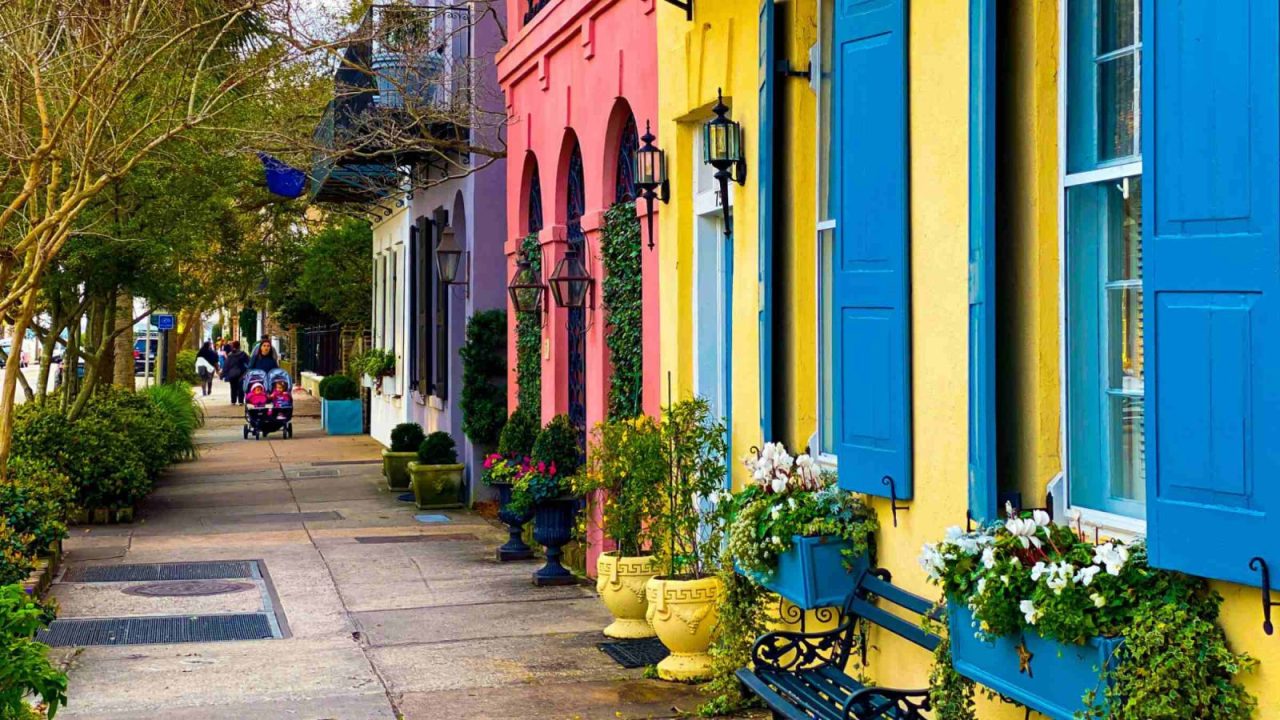
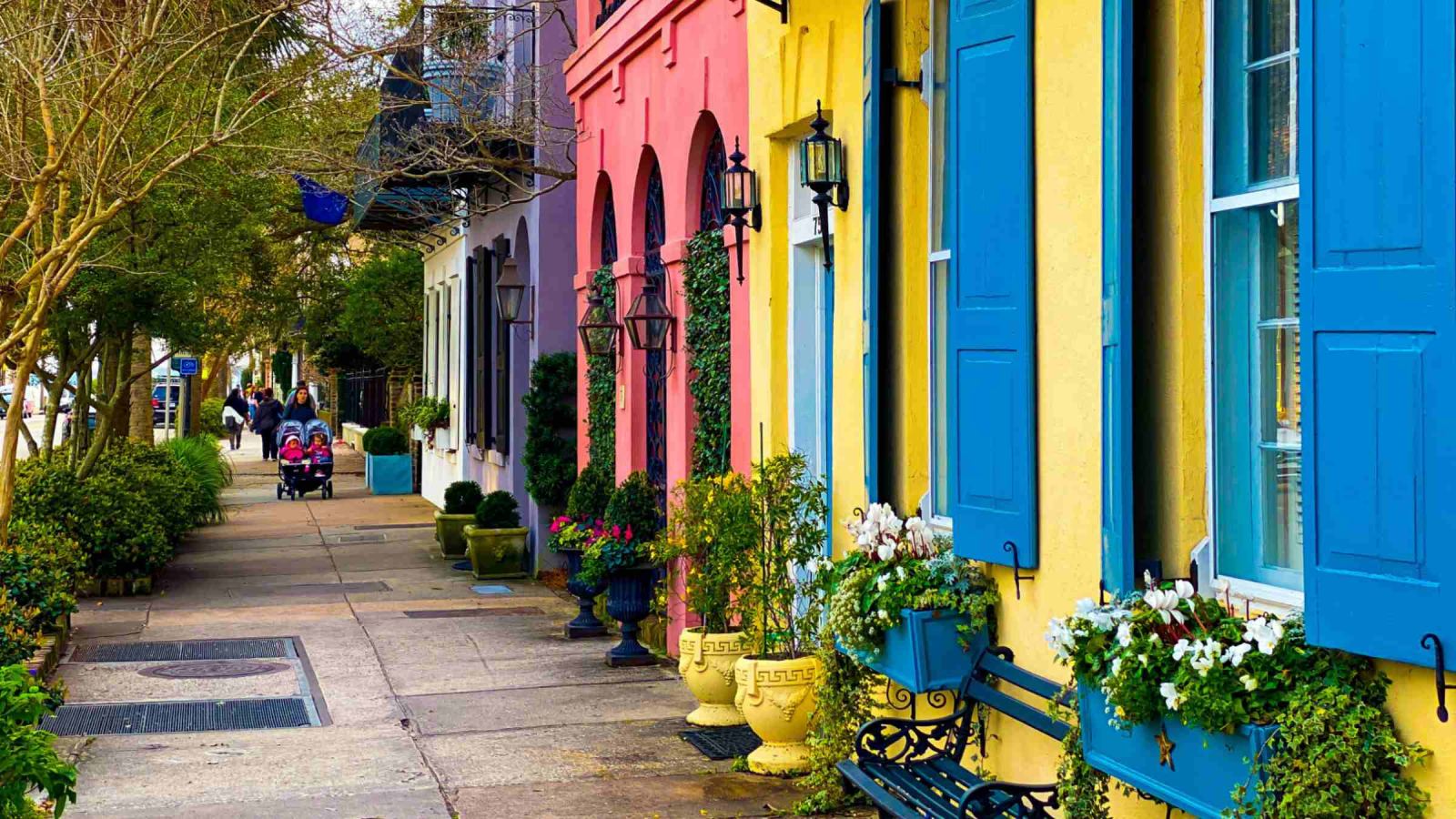
A growing body of evidence suggests that the beauty of our surroundings directly affects how we feel, how we behave, and how we connect with our communities. While the concept of beauty is often dismissed as subjective, research and everyday observation reveal clear patterns in what makes people care about a place — and what drives them to withdraw.
In a recent essay for Strong Towns, a writer explores the qualities that make certain streets and spaces magnetic, drawing on personal experience in Charleston, South Carolina, and Dover, New Hampshire. The piece examines why people seek out particular locations for photographs, social gatherings, and daily life — and what happens when those qualities are absent.
For London, a city undergoing rapid change through regeneration projects, housing targets, and transport infrastructure, the lessons are directly relevant. Planning decisions that prioritise speed and density over human-scale design risk creating places that people do not care about — and that, over time, may contribute to social isolation and declining civic engagement.
The qualities of beautiful places
The essay identifies several characteristics that consistently appear in places people love. Greenery and the integration of nature with the built environment is one of the most important. Trees, plants, and green spaces soften hard urban edges and provide visual relief. In London, the contrast between a tree-lined street in Islington and a bare, windswept plaza in a new development estate is stark.
Human scale is another essential quality. Beautiful places are designed for people to walk, pause, and interact. Buildings are close to the street, signage is pedestrian-oriented, and distances between destinations are manageable. This stands in contrast to many out-of-town retail parks or large-scale housing estates where the car is the default mode.
Visual variety matters as well. Stretches of blank walls or repetitive facades create monotony, while a mix of building ages, materials, colours, and details gives the eye something to explore. London’s historic streets, from the mews of Marylebone to the terraces of Bloomsbury, demonstrate this principle naturally.
Comfort and enclosure are also critical. People want to be in places that feel safe, sheltered, and contained. The concept of a “public room” — a space with clear edges, a beginning and an end — appears repeatedly in successful urban spaces. Deflected vistas, which shorten sight lines and create distinct areas to explore, encourage curiosity and footfall.
Key facts
| Quality | Description | London example |
|———|————-|—————-|
| Greenery | Trees, plants, nature integrated with built environment | Regent’s Canal towpath, Hackney |
| Human scale | Walkable distances, pedestrian-oriented design | Neal’s Yard, Covent Garden |
| Visual variety | Mix of building ages, materials, and details | Exmouth Market, Clerkenwell |
| Comfort and enclosure | Clear edges, shelter, defined public room | Soho Square, central London |
Why beauty matters for health and community
The essay cites research showing that people are happier when they live in beautiful places. More importantly, beauty drives community engagement. People are more likely to walk, socialise, and participate in local life when they find their surroundings attractive. Conversely, ugly places foster negative emotions and increased stress levels.
Long, drab walls, wide stretches of empty asphalt, bland repetitive buildings, and noisy areas all contribute to what the essay describes as a retreat into homes, phones, and social media. Over time, this manifests as individuals living worse lives and communities struggling with isolation.
For London’s planners and policymakers, this has direct implications. The Mayor of London’s Good Growth by Design programme and the London Plan’s emphasis on design quality recognise that beauty is not a luxury but a public health and social cohesion issue. Yet in practice, many new developments still prioritise unit numbers and speed of delivery over the qualities that make places worth caring about.
What this means for London’s new developments
The essay’s author conducted a photo survey of places around Dover to illustrate the spectrum of built environments. Some locations featured historic architecture, human scale, and greenery; others were dominated by asphalt, blank facades, and car infrastructure. The contrast was instructive.
In London, similar contrasts are visible daily. Compare the pedestrian-friendly streets of Richmond or Hampstead with the car-dominated approaches to many suburban retail parks. Compare the active frontages of Broadway Market with the blank elevations of some recent tower blocks in the Isle of Dogs. The difference is not accidental — it is the result of planning decisions, design briefs, and regulatory frameworks.
The essay argues that beauty is an intangible quality that creates strong emotional connections. People care about beautiful places. They are proud of them. They defend them. This is why local opposition to poorly designed developments is often so fierce — not because residents are opposed to change, but because they fear losing the qualities that make their neighbourhood worth caring about.
Practical steps for planners and communities
The essay does not prescribe specific policies, but its observations point to several practical directions. First, planning briefs should explicitly require the qualities of beauty: greenery, human scale, visual variety, comfort, and enclosure. These are not subjective whims but measurable design features.
Second, community engagement should go beyond consultation on floor plans and densities. Residents should be asked how a place feels, whether they would want to spend time there, and what would make them proud of it. These emotional responses are data, not noise.
Third, transport and public realm decisions should be evaluated for their contribution to beauty. A wide road with fast traffic may move cars efficiently, but it destroys the pedestrian experience. A street tree planting programme or a public art installation may seem like a small intervention, but it can transform how people feel about a place.
Finally, the essay reminds us that beauty is not just about preservation. New places can be beautiful too, if they are designed with care and intention. The challenge for London is to ensure that the thousands of new homes and infrastructure projects planned for the coming decades are not just functional but genuinely lovely — because the city’s social and emotional health depends on it.
Source: Strong Towns, “Building More Beautiful Places” (https://www.strongtowns.org/journal/2026-9-18-building-more-beautiful-places)
Datos clave
| Punto | Detalle |
|---|---|
| Fuente | Strong Towns |
| Fecha | 2026-09-18T00:00:00+00:00 |
| Tema | Building More Beautiful Places |
Fuente
Strong Towns Publicacion original: 2026-09-18T00:00:00+00:00
Related updates
New York Poll Shows Overwhelming Bipartisan Support for Apartments Near Transit, Highlighting Contrast with London’s Own Housing Debate
A new poll from Open New York finds 79% of voters support building multi-family homes near rail stations, as the governor’s race…
Read update
Seattle City Attorney Launches New Community Court and Repeat Offender Programme Amid Public Defender Concerns
Seattle City Attorney Erika Evans has launched Connection Court, a new community court programme, alongside a punitive High-Priority Repeat Offenses system. The…
Read update
Seattle’s Centers & Corridors Zoning Update Delayed by Environmental Review Ruling
A state hearings board ruling has forced Seattle to rework the environmental impact statement for its twenty-year growth plan, pushing the next…
Read update
FEMA disaster mitigation grants freeze threatens to stall UK resilience learning, planners warn
A US Government Accountability Office report says $2.2 billion in FEMA Building Resilient Infrastructure and Communities grants remain unresolved, delaying more than…
Read update