
The Future of London’s Public Realm: Adapting to Climate Change and Urban Density
As London grapples with increasing urban density and the undeniable impacts of climate change, its public realm stands at a critical juncture. This column explores how the city's shared spaces can be reimagined to be more resilient, inclusive, and sustainable.
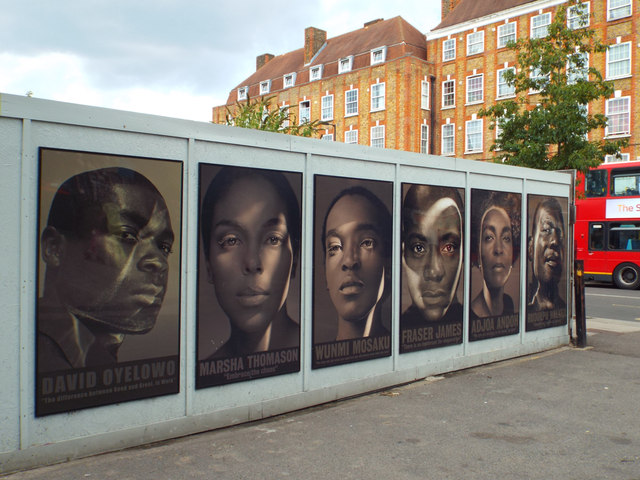
The Evolving Landscape of London’s Public Spaces
London’s public realm – its streets, squares, parks, and waterfronts – is the city’s most tangible expression of shared life. It’s where communities connect, economies thrive, and the character of neighbourhoods is forged. However, this vital urban fabric is facing unprecedented challenges. Two dominant forces, escalating urban density and the accelerating realities of climate change, are demanding a fundamental rethinking of how we design, manage, and utilise these spaces. This column argues that a proactive, integrated approach is essential to ensure London’s public realm not only survives but flourishes in the face of these pressures, becoming more resilient, equitable, and sustainable for all Londoners.
Why This Matters Now: A Double-Edged Sword
The imperative to adapt London’s public realm stems from a confluence of critical factors. Firstly, London’s population continues to grow, leading to increased demand for housing and infrastructure. This often translates into pressure on existing open spaces, with potential for over-intensification or a reduction in the quality and accessibility of green areas. Simultaneously, the impacts of climate change are becoming increasingly evident. More frequent and intense heatwaves, increased risk of flooding from extreme rainfall events, and the need to reduce carbon emissions are no longer abstract future concerns, but present-day realities that directly affect the usability and safety of our streets and parks.
The urban heat island effect, exacerbated by dense development and hard surfaces, makes public spaces uncomfortable, even dangerous, during summer months. Conversely, increased surface water runoff from intense downpours can overwhelm drainage systems, leading to localised flooding. Adapting the public realm is therefore not merely an aesthetic consideration; it is a fundamental aspect of urban resilience and public health.
What the Sources Show: Emerging Trends and Policies
Official bodies and specialist researchers are increasingly focusing on how urban environments can mitigate and adapt to these challenges. The Greater London Authority (GLA) has articulated ambitions for a “green and healthy London,” emphasizing the role of green infrastructure in managing surface water, improving air quality, and providing cool refuges during heatwaves. Transport for London (TfL) is also incorporating climate resilience into its street design guidance, promoting permeable surfaces and enhanced tree planting along transport corridors.
Research from urban planning institutions and think tanks highlights innovative solutions. For instance, studies on “sponge cities” offer models for integrating water management into urban design, using rain gardens, permeable paving, and green roofs to absorb and manage rainfall. The concept of “tactical urbanism,” while often short-term, demonstrates how temporary interventions can test innovative public space designs and community uses, offering valuable lessons for permanent adaptations.
A key trend is the integration of green and blue infrastructure. Parks are no longer just recreational amenities but are seen as vital components of the city’s ecological system. The expansion of green corridors and the creation of new pocket parks within denser areas are crucial for biodiversity, air quality, and providing essential cooling effects. Furthermore, the reimagining of streetscapes to prioritise pedestrians and cyclists over private vehicles, often through “low traffic neighbourhoods” and expanded cycle lanes, not only promotes active travel but also creates more space for greening and social interaction.
Table 1: Public Realm Adaptations for Climate Resilience
| Adaptation Strategy | Primary Climate Benefit | Secondary Benefits | Potential Challenges |
|---|---|---|---|
| Green Infrastructure (Parks, Green Roofs, Rain Gardens) | Mitigates Urban Heat Island, Manages Surface Water | Improves Air Quality, Enhances Biodiversity, Aesthetic Value | Space constraints, Maintenance requirements, Initial cost |
| Permeable Surfaces (Paving, SuDS) | Reduces Surface Water Runoff | Improves Water Quality, Supports Urban Ecology | Durability, Maintenance of permeability, Cost |
| Enhanced Tree Canopy | Reduces Ambient Temperature, Sequesters Carbon | Improves Air Quality, Provides Shade, Aesthetic Value | Space constraints, Root damage to infrastructure, Water needs |
| Water-Sensitive Urban Design (WSUD) | Manages Stormwater, Reduces Flood Risk | Enhances Public Space Amenities, Promotes Biodiversity | Integration with existing infrastructure, Public perception |
| Pedestrianisation & Active Travel Promotion | Reduces Emissions, Encourages Health | Frees up space for Greening & Social Use, Improves Air Quality | Impact on businesses, Accessibility for some users, Congestion elsewhere |
Competing Readings: Balancing Needs and Vision
While there is broad agreement on the need for adaptation, different stakeholders may hold competing visions for London’s public realm. Developers might prioritise maximising buildable area, potentially at the expense of public space quantity or quality. Residents in established neighbourhoods may resist changes that alter the character of their local streets, even if those changes offer long-term climate benefits.
There’s also a debate about the scale and ambition of interventions. Some advocate for large-scale, transformative projects, such as the creation of new major parks or extensive greening of entire districts. Others favour a more incremental, “patchwork” approach, focusing on a multitude of smaller interventions that collectively build resilience. The challenge lies in harmonising these different perspectives and ensuring that adaptations are equitable, benefiting all communities, not just those in affluent areas.
Furthermore, the definition of “resilience” itself can be interpreted differently. Is it about withstanding shocks and returning to a previous state, or about transforming to a new, more sustainable equilibrium? For London’s public realm, the latter seems more appropriate, implying a move towards a more dynamic, responsive, and ecologically integrated urban fabric.
What Remains Unclear: Data Gaps and Implementation Hurdles
Despite growing awareness, several areas require further attention. A comprehensive, up-to-date inventory of London’s public realm assets, detailing their current condition, ecological value, and vulnerability to climate impacts, would be highly beneficial. This would enable more targeted and effective adaptation strategies.
The long-term maintenance and funding models for new green infrastructure are also critical unknowns. While initial investment in sustainable drainage systems or extensive tree planting is significant, ensuring their ongoing effectiveness and survival requires sustained commitment and resources, which can be challenging in periods of shifting political priorities or budget constraints.
Finally, understanding public perception and engagement with these changes is crucial. While many Londoners value green spaces, the specific design interventions and their perceived impacts on accessibility, safety, and neighbourhood character need careful consideration and community consultation to ensure widespread buy-in and successful implementation.
Practical Checks and Next Steps for London’s Public Realm
For London’s public realm to successfully navigate the challenges of density and climate change, several practical steps are vital:
Integrated Planning: Local authorities and GLA need to embed climate adaptation and resilience directly into all land-use planning and development frameworks. This means moving beyond separate environmental policies to a truly integrated approach where public space design is inherently climate-aware.
2. Data-Driven Design: Invest in comprehensive data collection and analysis of existing public realm conditions, climate vulnerabilities, and user needs. This evidence base should guide all adaptation decisions.
3. Prioritise Green and Blue Infrastructure: Actively seek opportunities to increase green cover, implement SuDS, and protect existing natural assets within dense urban areas. This requires innovative design solutions for constrained sites.
4. Community Engagement: Foster genuine collaboration with residents, community groups, and businesses to co-create public spaces that meet local needs while addressing city-wide climate goals.
5. Sustainable Maintenance Models: Develop robust, long-term funding and management plans for new green and blue infrastructure to ensure their continued effectiveness.
The future of London’s public realm depends on our ability to view these spaces not just as backdrops for urban life, but as active, adaptive systems essential for the city’s health, sustainability, and well-being. By embracing innovative design, robust policy, and inclusive engagement, London can transform its public spaces into resilient havens for a changing climate and a growing population.
Related updates

Seattle-Area Race Highlights Diverging Approaches to Housing, Transit and Tech Taxation
A Washington State legislative race in the 32nd District pits incrementalism against urgency on housing supply, transit funding and tech regulation, with…
Read update
New York court ruling on sanctuary policies carries implications for city-level immigration enforcement across the US
A federal judge has dismissed the Trump administration’s attempt to override New York City’s restrictions on immigration enforcement cooperation, citing state sovereignty.…
Read update
Automated license plate readers raise privacy, contract and oversight questions for UK cities
A new US-focused analysis of automated license plate recognition cameras highlights contract, privacy and oversight issues that London boroughs and Transport for…
Read update
Oregon’s “fix it first” dilemma: what London’s transport planners can learn from a revolt against megaprojects
Surveys show Oregonians overwhelmingly want existing roads repaired before new megaprojects are funded, and trust in the state’s transport agency has collapsed.…
Read updateWiki relacionada
Transport for London: The Backbone of Transit, Street and Service Reporting
Transport for London (TfL) is the UK’s most comprehensive source for transit data, street management and service-quality reporting. This reference page explains…
Read update
Transport for London: The Backbone of Transit, Street and Service Reporting
Transport for London (TfL) operates the city’s buses, Tube, trams, river services, roads and cycling infrastructure. This reference page explains how TfL…
Read update
Understanding the London Plan: A Guide to the Capital’s Spatial Development Strategy
The London Plan sets the strategic framework for development, housing, transport and the public realm across the capital. This guide explains its…
Read update
Transport for London as a Source for Transit, Street and Service-Quality Reporting
Transport for London is one of the most comprehensive urban data providers in the world. This reference page explains how journalists, planners…
Read update