
The Paradox of London’s Pocket Parks: More Than Just Green Patches
Explore the multifaceted role of London's pocket parks, examining their ecological, social, and economic impacts, and the challenges they face in a rapidly developing city.
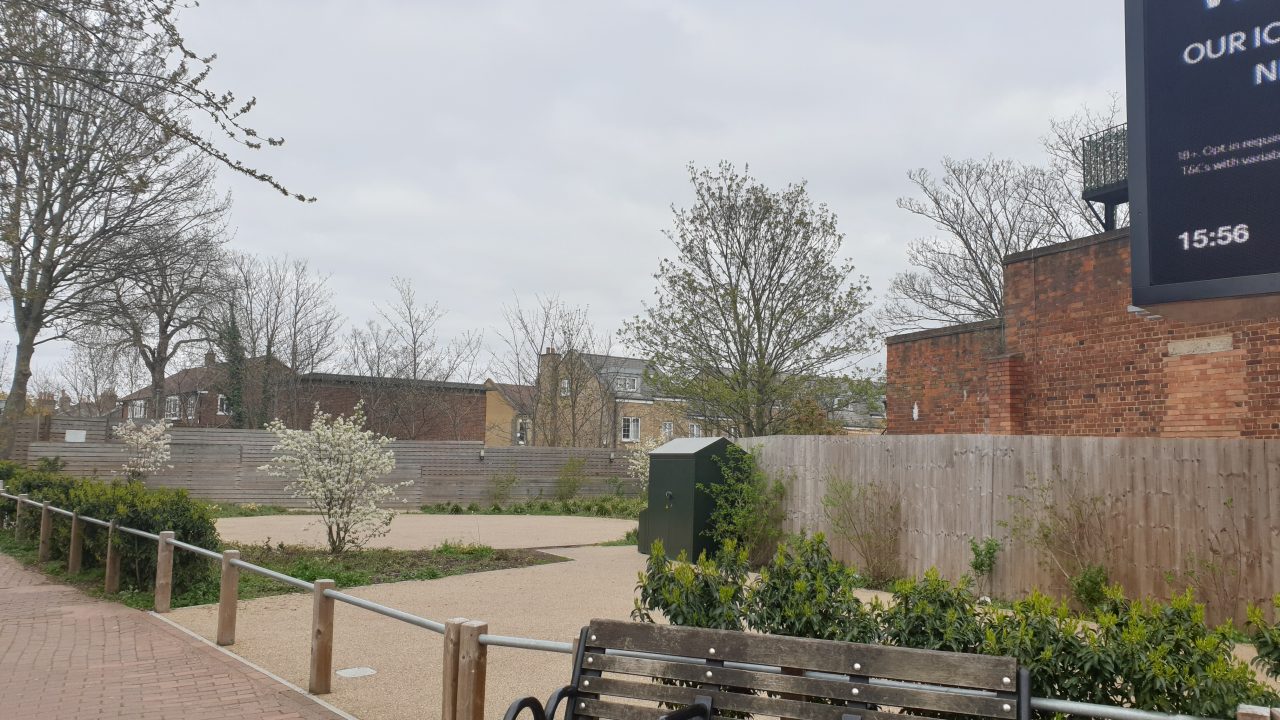
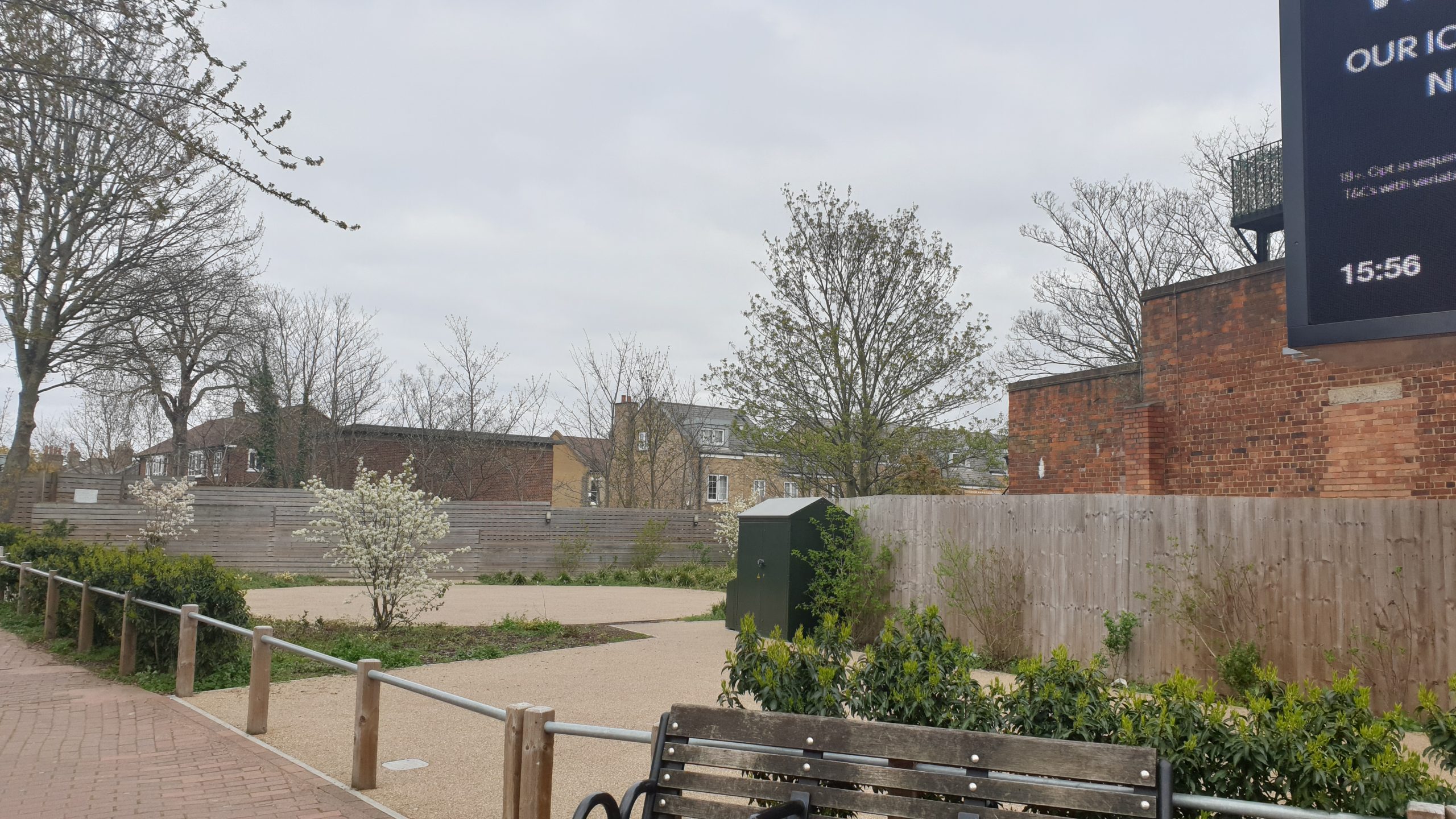
London, a city synonymous with dense urbanity, also boasts an intricate network of green spaces. Among these, pocket parks—small, often overlooked areas of green—occupy a unique and increasingly vital position. These miniature oases, squeezed between buildings or tucked into forgotten corners, are far more than just aesthetic additions; they are complex ecosystems, social linchpins, and indicators of the city’s health and resilience. However, their very existence is a delicate balancing act, perpetually under pressure from development and competing urban demands.
This column will delve into the paradox of London’s pocket parks: their disproportionately large impact despite their small footprint, the multifaceted benefits they offer, the challenges they face, and what their future portends for the city’s urban fabric.
Why Pocket Parks Matter
The significance of pocket parks transcends their diminutive size. In a metropolis where accessible green space can be scarce, these parks offer crucial ecological functions. They act as vital stepping stones for urban biodiversity, providing habitats for insects, birds, and small mammals, and contributing to the connectivity of green corridors across the city. Environmentally, they help mitigate the urban heat island effect, absorb rainwater, improve air quality, and offer a sense of natural respite that is psychologically beneficial for city dwellers.
Socially, pocket parks are invaluable community assets. They provide informal gathering spaces, encourage physical activity, and foster a sense of place and belonging. For residents in densely populated areas, a nearby pocket park can be the only easily accessible natural environment, offering a much-needed escape from the concrete jungle. They can become informal play areas for children, quiet spots for reflection, or vibrant hubs for local events, strengthening social cohesion.
Economically, while not always immediately apparent, well-maintained pocket parks can enhance the desirability of surrounding areas, potentially boosting property values and attracting businesses. They contribute to the overall liveability of a neighbourhood, making it a more attractive place to live, work, and visit.
What Sources Show
The Greater London Authority (GLA) recognizes the importance of green spaces, including pocket parks, in its environmental strategies, aiming to increase the provision and quality of accessible green infrastructure across the capital. Their policy documents often highlight the role of these spaces in enhancing biodiversity and improving the urban environment.
Research from organisations like the Royal Horticultural Society (RHS) underscores the potential of even small urban gardens and green patches to support wildlife. Their advice on urban gardening often features principles applicable to pocket park design and maintenance, emphasizing the use of native plants, diverse planting schemes, and the creation of microhabitats.
The Guardian’s reporting on London’s green spaces has frequently touched upon the pressures facing these areas, including the risk of development and the challenges of maintaining them with limited resources. Articles often feature case studies of community-led initiatives to protect or enhance local pocket parks, illustrating their deep value to residents. For instance, discussions around “rewilding” urban spaces, even on a small scale, highlight the ecological potential of these often-neglected plots.
Competing Readings
One perspective views pocket parks primarily as ecological assets, essential for biodiversity and environmental resilience in an increasingly built-up city. From this viewpoint, their design and management should prioritize native planting, habitat creation, and minimal human intervention to maximize ecological benefits.
Another reading emphasizes their role as social infrastructure. This perspective highlights the need for them to be accessible, safe, and welcoming spaces that cater to community needs, whether for recreation, social interaction, or passive enjoyment. Design considerations in this view might lean towards seating, play elements, and clear sightlines.
A third, often conflicting, reading frames pocket parks through the lens of urban development. In this context, they can be seen as underutilised land ripe for more intensive development, or conversely, as essential “green lung” provisions required by planning regulations to offset the impact of new construction. This debate often pits the immediate economic gains of development against the long-term environmental and social benefits of green space.
What Remains Unclear
Despite their recognized value, several aspects of pocket parks in London remain less clear or consistently addressed. The exact number and distribution of pocket parks across all boroughs are not always precisely catalogued, making comprehensive planning and resource allocation challenging.
Furthermore, the long-term funding models for their maintenance and enhancement are often precarious. While community groups can play a significant role, relying solely on volunteer efforts or small grants is often unsustainable. The question of who bears the primary responsibility—local authorities, developers, or community organisations—for ensuring their continued quality and accessibility is a persistent point of discussion.
The specific ecological impact of different types of pocket park design is also an area that requires ongoing research. Understanding which design choices yield the greatest benefits for biodiversity and ecosystem services in various urban microclimates can inform more effective future interventions.
Practical Checks for Pocket Parks
For urban planners, policymakers, and community groups interested in pocket parks, several practical checks can be considered:
| Aspect | Checkpoint | Notes |
|---|---|---|
| Accessibility | Is the park easily reachable for local residents, including those with mobility issues? | Consider proximity to housing, public transport, and physical barriers. |
| Biodiversity | Does the planting scheme support local wildlife? Are there opportunities for habitat creation? | Prioritise native species, diverse planting layers, and avoid over-manicuring. |
| Community Use | Is the park actively used by the community? Does it meet local needs for recreation, rest, or socialisation? | Observe usage patterns, gather community feedback, and assess the provision of amenities like seating. |
| Maintenance | Is there a clear and sustainable plan for ongoing upkeep, litter removal, and horticultural care? | Identify responsible parties and secure adequate resources, whether from local authority budgets, grants, or community fundraising. |
| Resilience | Can the park withstand pressures like climate change (e.g., drought, heavy rainfall) and urban development? | Consider drought-tolerant planting, permeable surfaces, and robust design. Assess its vulnerability to surrounding development pressures. |
The future of London’s pocket parks hinges on our ability to recognise their multifaceted value and to implement strategies that secure their longevity. They are not merely decorative green spaces but essential components of a thriving, resilient, and liveable city. As London continues to grow, the careful stewardship and strategic enhancement of these small, yet mighty, green patches will be crucial for maintaining the city’s unique urban character and its ecological health.
Related updates
Seattle social housing land deal offers lessons for London’s community-led delivery
Seattle’s social housing developer has acquired its first site for a mixed-income project, aiming for 1,000 homes by end of 2026. The…
Read update
When zoning reform meets private covenants: the HOA obstacle to backyard cottages
As more US cities rewrite zoning rules to allow accessory dwellings, private homeowners’ association covenants remain a barrier that reform alone cannot…
Read update
Seattle-Area Race Highlights Diverging Approaches to Housing, Transit and Tech Taxation
A Washington State legislative race in the 32nd District pits incrementalism against urgency on housing supply, transit funding and tech regulation, with…
Read update
New York court ruling on sanctuary policies carries implications for city-level immigration enforcement across the US
A federal judge has dismissed the Trump administration’s attempt to override New York City’s restrictions on immigration enforcement cooperation, citing state sovereignty.…
Read updateWiki relacionada

Transport for London: The Backbone of Transit, Street and Service Reporting
Transport for London (TfL) is the UK’s most comprehensive source for transit data, street management and service-quality reporting. This reference page explains…
Read update
Transport for London: The Backbone of Transit, Street and Service Reporting
Transport for London (TfL) operates the city’s buses, Tube, trams, river services, roads and cycling infrastructure. This reference page explains how TfL…
Read update
Understanding the London Plan: A Guide to the Capital’s Spatial Development Strategy
The London Plan sets the strategic framework for development, housing, transport and the public realm across the capital. This guide explains its…
Read update
Transport for London as a Source for Transit, Street and Service-Quality Reporting
Transport for London is one of the most comprehensive urban data providers in the world. This reference page explains how journalists, planners…
Read update