
The Future of London’s Low Traffic Neighbourhoods: Balancing Access and Liveability
London's Low Traffic Neighbourhoods (LTNs) aim to create safer, quieter streets, but spark debate over access and congestion. This column explores their evolving role and impact.

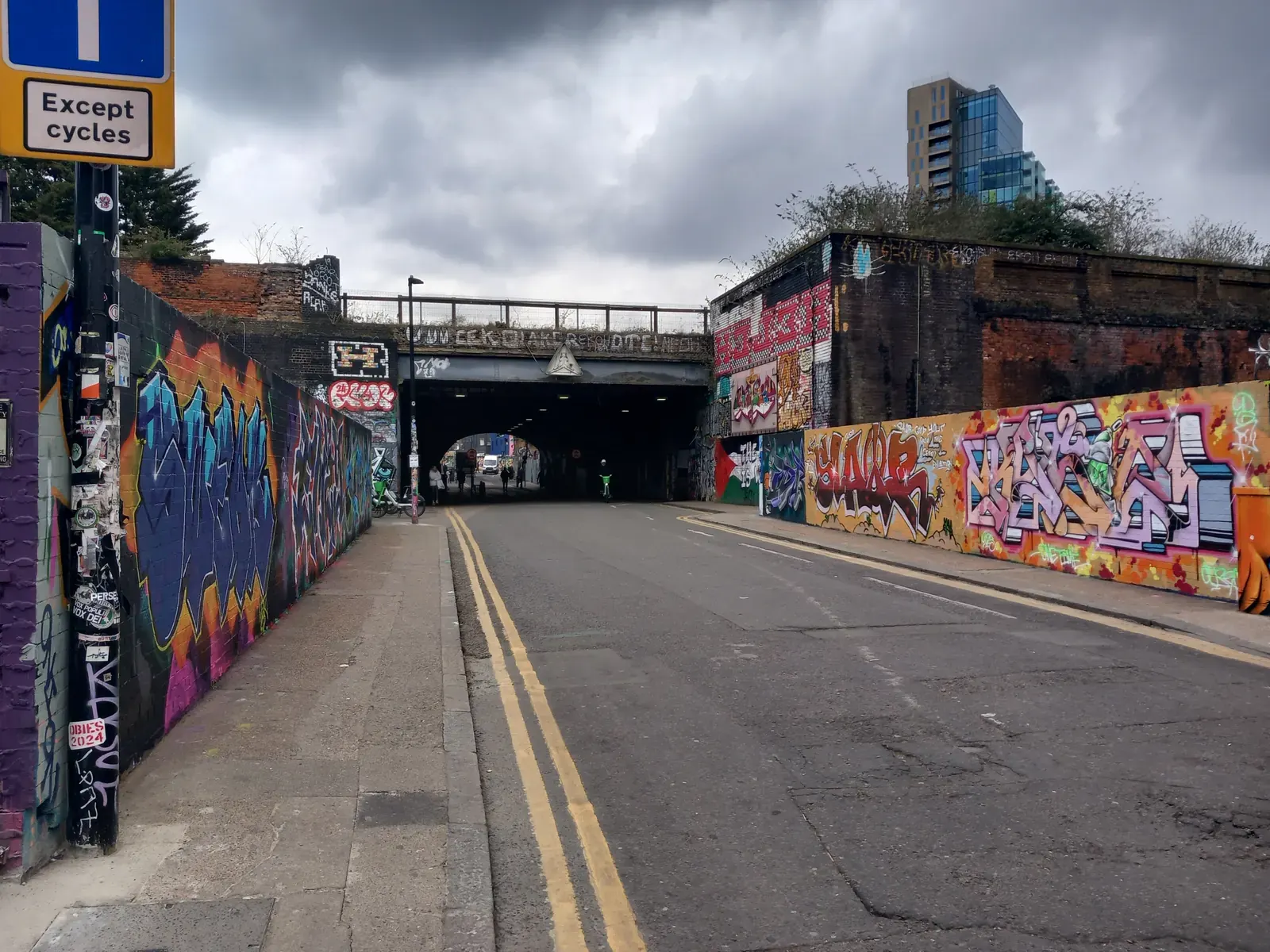
Low Traffic Neighbourhoods (LTNs) have become one of the most prominent and contentious tools in London’s urban planning toolkit. Designed to reduce through-traffic in residential areas, promote active travel, and improve local air quality, these schemes have elicited strong reactions from both proponents and critics. As London continues to grapple with air pollution, climate targets, and the desire for more liveable communities, understanding the evolving role and impact of LTNs is crucial for residents, policymakers, and urban planners alike.
The core premise of an LTN is straightforward: using bollards, planters, or filtered permeability to prevent vehicles from using residential streets as shortcuts. This reroutes traffic onto main arterial roads, theoretically making local streets safer and more pleasant for walking and cycling. While the objectives are widely supported – cleaner air, reduced road danger, and healthier lifestyles – the implementation has often been met with significant public debate, highlighting the complex trade-offs inherent in urban re-design.
Why Low Traffic Neighbourhoods Matter
LTNs are a key component of London’s strategy to transform its urban environment. The Mayor’s Transport Strategy (2018) sets ambitious targets for active travel, aiming for 80% of all journeys to be made by walking, cycling, or public transport by 2041. By making local streets less appealing for car use, LTNs contribute directly to this goal. The benefits extend beyond transport, touching on public health through improved air quality and reduced noise pollution, and fostering stronger local communities by creating more accessible and enjoyable public spaces.
The urgency for such interventions is underscored by data from Transport for London (TfL) and the Greater London Authority (GLA), which consistently highlight the severe impact of vehicle emissions on Londoners’ health, particularly children. Furthermore, traffic accidents remain a significant concern, with vulnerable road users disproportionately affected. LTNs are presented as a direct response to these pervasive urban challenges, seeking to recalibrate the balance between vehicle movement and residential amenity.
What Sources Show: Impacts and Outcomes
Official evaluations and academic studies offer mixed but generally positive findings on the primary objectives of LTNs. A report by TfL in 2021, evaluating 70 LTNs implemented during the pandemic, found that:
- Internal Traffic Reduction: Vehicle traffic within LTNs typically decreased by 20-50%.
- Active Travel Increase: Walking and cycling rates within and around LTNs often saw increases, although quantifying direct causation can be challenging.
- Air Quality: Some studies have shown localised improvements in air quality within LTNs, though this can be offset by increases along boundary roads.
- Boundary Road Traffic: Traffic on boundary roads often increased, with initial evidence suggesting some displacement rather than overall reduction. However, longer-term studies propose that this displacement can reduce over time as travel habits adjust.
A study published by Westminster University and the University of Bristol in 2022, looking at LTNs in London, found that overall car use across the city did not increase, suggesting that some drivers might be switching to other modes of transport or making fewer journeys.
| Impact Area | Observed Trend (Official Studies) | Caveats & Nuances |
|---|---|---|
| Internal Traffic | Significant decrease (20-50%) | Dependent on scheme design and enforcement. |
| Active Travel | Increase in walking/cycling | Difficult to isolate from other factors (e.g., cycle lanes). |
| Air Quality (LTN) | Localised improvements | Can be offset by increased emissions on boundary roads. |
| Boundary Traffic | Initial increases, then tapering | Varies by road capacity and wider network changes. |
| Business Impact | Mixed, often neutral to positive | Perception vs. actual data often differs. |
Source: TfL, GLA, independent academic research on LTNs.
Competing Readings: Access vs. Environment
The debate around LTNs is often framed as a conflict between environmental benefits and local access. Critics, including some residents and businesses, frequently raise concerns about:
- Traffic Displacement: The primary concern is that LTNs merely push traffic onto main roads, exacerbating congestion and pollution for residents and businesses along those routes. Emergency services access has also been a significant point of contention, though official data often shows no significant delays.
- Impact on Local Businesses: Some businesses report reduced footfall due to perceived difficulty in accessing their premises by car, or increased delivery times. However, studies by groups like Living Streets suggest that pedestrians and cyclists spend more locally than drivers.
- Lack of Consultation: Early LTN implementations, particularly those fast-tracked during the pandemic, faced criticism for insufficient public engagement, leading to feelings of disenfranchisement among affected communities.
Conversely, supporters emphasize the transformation of residential streets into safer, more pleasant environments. They argue that any initial disruption is a necessary transitional phase towards a more sustainable and equitable urban transport system. They also point to the long-term health benefits and the potential for increased property values in quieter, greener areas. The challenge for policymakers lies in effectively communicating these long-term benefits while addressing immediate concerns.
What Remains Unclear
Despite numerous studies, several aspects of LTNs remain subjects of ongoing research and debate:
- Long-term Behavioural Change: While initial data shows traffic rerouting, the extent to which LTNs truly encourage a sustained shift away from private car ownership or use over many years is still being understood.
- Equity and Distribution of Impact: The impact of boundary road traffic on more deprived communities, who often live along major routes, needs further granular investigation to ensure LTNs do not inadvertently worsen health outcomes for certain groups.
- Optimal Design and Scale: What constitutes the most effective LTN design, considering factors like road network density, public transport provision, and local demographics, is still evolving. The optimal scale for implementation – individual neighbourhood versus borough-wide networks – also requires more exploration.
Practical Checks for Residents and Planners
For Londoners living in or near an LTN, or for urban planners considering new schemes, several practical checks can help navigate the complexities:
- Check Official Consultations: All new or proposed LTNs undergo public consultation. Residents should engage with these processes, providing specific feedback rather than generic opposition or support. Information is typically available on borough council websites and the GLA’s Transport for London pages.
- Monitor Local Data: Keep an eye on local traffic counts, air quality data (where available), and cycling/walking infrastructure improvements in your area. This factual data can help inform discussions.
- Assess Impact on Local Businesses: Observe changes in local business activity. Engage with local business associations to understand their perspectives and potential mitigation strategies.
- Consider Emergency Service Access: While concerns about emergency services are often raised, official bodies like the London Fire Brigade and London Ambulance Service are consulted on schemes. Check their publicly available statements or reports on LTN impact.
The future of London’s Low Traffic Neighbourhoods will likely involve a more nuanced approach, refining designs based on accumulated evidence, improving public engagement, and explicitly addressing equity concerns. The goal remains to create a city that is both accessible and liveable, striking a balance that serves all Londoners.
Related updates

Seattle-Area Race Highlights Diverging Approaches to Housing, Transit and Tech Taxation
A Washington State legislative race in the 32nd District pits incrementalism against urgency on housing supply, transit funding and tech regulation, with…
Read update
New York court ruling on sanctuary policies carries implications for city-level immigration enforcement across the US
A federal judge has dismissed the Trump administration’s attempt to override New York City’s restrictions on immigration enforcement cooperation, citing state sovereignty.…
Read update
Automated license plate readers raise privacy, contract and oversight questions for UK cities
A new US-focused analysis of automated license plate recognition cameras highlights contract, privacy and oversight issues that London boroughs and Transport for…
Read update
Oregon’s “fix it first” dilemma: what London’s transport planners can learn from a revolt against megaprojects
Surveys show Oregonians overwhelmingly want existing roads repaired before new megaprojects are funded, and trust in the state’s transport agency has collapsed.…
Read updateWiki relacionada

Transport for London: The Backbone of Transit, Street and Service Reporting
Transport for London (TfL) is the UK’s most comprehensive source for transit data, street management and service-quality reporting. This reference page explains…
Read update
Transport for London: The Backbone of Transit, Street and Service Reporting
Transport for London (TfL) operates the city’s buses, Tube, trams, river services, roads and cycling infrastructure. This reference page explains how TfL…
Read update
Understanding the London Plan: A Guide to the Capital’s Spatial Development Strategy
The London Plan sets the strategic framework for development, housing, transport and the public realm across the capital. This guide explains its…
Read update
Transport for London as a Source for Transit, Street and Service-Quality Reporting
Transport for London is one of the most comprehensive urban data providers in the world. This reference page explains how journalists, planners…
Read update