
The London Infrastructure Framework: Powering Growth and Resilience in a Changing City
The new London Infrastructure Framework aims to address the city's growing demands and climate vulnerabilities by outlining a pipeline of priority projects across key sectors, from transport to digital connectivity.
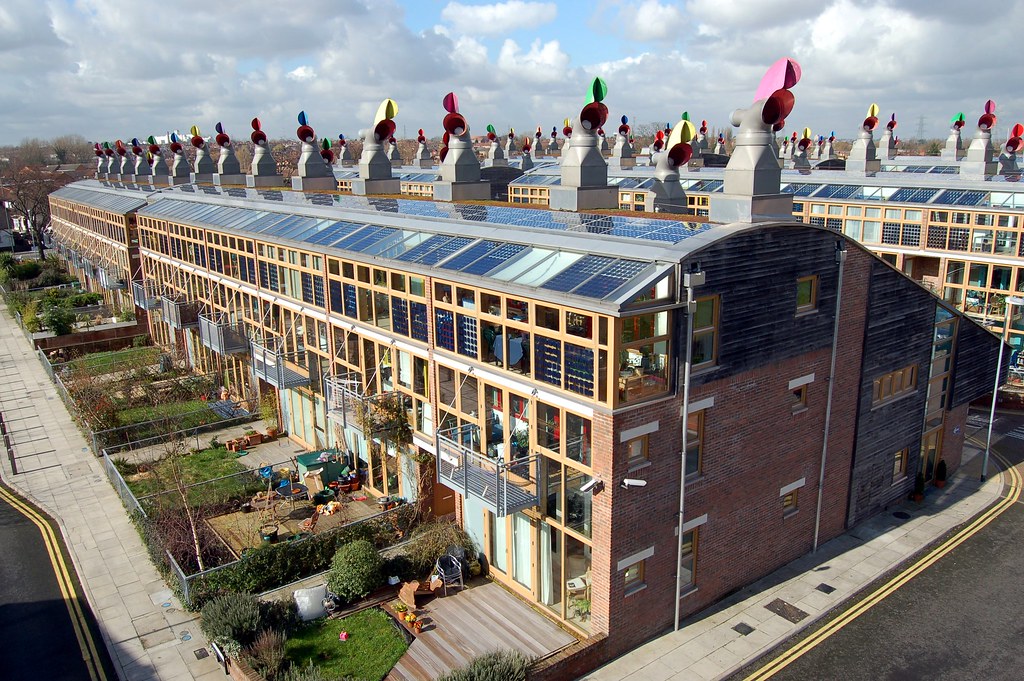
London is a city in perpetual motion, a global hub experiencing rapid population growth, technological advancement, and increasing climatic pressures. To sustain its trajectory and ensure its livability for all Londoners, a robust and forward-thinking approach to infrastructure is paramount. The recently unveiled London Infrastructure Framework, a collaborative effort between London Councils and the Mayor of London, positions itself as that crucial long-term plan. This framework is not merely about building new; it’s a strategic blueprint designed to harness investment, foster prosperity, strengthen climate resilience, and accelerate sustainable growth across the capital.
Why This Framework Matters
The significance of the London Infrastructure Framework lies in its proactive response to the multifaceted challenges facing the city. London’s expanding population and economic dynamism place immense strain on existing utilities, transport networks, and digital systems. Simultaneously, the growing reality of climate change, with its attendant extreme weather events, demands that the city’s infrastructure be not only functional but also resilient. The framework acknowledges that an aging and fragile infrastructure system could become a bottleneck to future growth, potentially hindering the development of new housing, businesses, and critical services like AI innovation hubs which require significant energy capacity. By identifying and prioritizing 51 key projects across transport, energy, waste, water, flood risk, and digital connectivity, the framework aims to address these pressures head-on, ensuring London can adapt and thrive.
What the Sources Show
The London Infrastructure Framework is built upon a recognition of London’s evolving needs. The framework’s creators, London Councils and the Mayor’s office, in partnership with local authorities, utilities, industry, and Transport for London, have identified a clear need to upgrade and expand infrastructure to support growth. The document highlights specific examples of projects, such as the West London Orbital route, intended to boost public transport capacity and unlock new housing and job opportunities. Equally critical is the London Power Tunnels Phase 2, which aims to increase electricity capacity and network resilience, a vital step for supporting burgeoning sectors like AI. This move towards enhancing energy infrastructure is crucial, as the framework notes that demand for utilities could outstrip supply, hampering growth.
Beyond immediate capacity needs, the framework implicitly (and in related policy documents, explicitly) addresses the growing imperative of climate resilience. While the provided context does not detail specific climate adaptation measures within the framework itself, the broader discourse around urban planning and infrastructure in London, as evidenced by initiatives like the “Towards a New London Plan,” emphasizes this critical nexus. The “Urban Design for Climate Resilience in Public Spaces” research underscores that urban public spaces are increasingly on the front lines of climate change, facing threats from heatwaves, floods, and rising sea levels. Adapting these spaces is not just about aesthetics but about preserving the vitality, safety, and livability of urban life. This suggests that the infrastructure framework’s projects will need to be viewed through a lens of climate adaptation, ensuring new developments and upgrades contribute to a more resilient city fabric. Transport for London’s open data initiatives, for instance, provide valuable datasets that can inform infrastructure planning and the monitoring of its performance, contributing to both efficiency and resilience.
Competing Readings and Interpretations
The London Infrastructure Framework presents a clear vision for future investment, but different stakeholders may interpret its implications through various lenses. For developers and businesses, the framework signals a commitment to enabling growth through improved connectivity and utility provision. The emphasis on projects like the West London Orbital and power tunnel expansions suggests a focus on facilitating economic expansion and supporting new developments.
For residents and community groups, the framework’s success will be measured by its impact on daily life: improved public transport, reliable utilities, and enhanced flood protection. The long-term nature of infrastructure projects means that the tangible benefits may not be immediate, leading to potential impatience or skepticism if progress is slow or if local needs are not adequately addressed.
Furthermore, the framework’s success hinges on its integration with broader urban planning strategies, such as the new London Plan. While the framework focuses on physical infrastructure, ensuring that this infrastructure supports sustainable development, affordable housing, and equitable access to amenities will be a continuous challenge. The “Algorithmic urban planning” research hints at the potential for data-driven approaches to optimize infrastructure deployment, but the ethical and practical considerations of such methods need careful navigation.
What Remains Unclear
While the framework outlines a pipeline of 51 priority projects, the specifics of funding, implementation timelines, and the detailed mechanisms for ensuring climate resilience across all projects remain areas that require further elaboration. The framework is a strategic document, and its effectiveness will depend on the detailed planning and execution of these individual projects.
A key unknown is the extent to which “green and blue infrastructure” – a cornerstone of climate-resilient design as highlighted in discussions on public spaces – will be integrated into these large-scale infrastructure projects. While the framework mentions flood risk, the specific strategies for incorporating nature-based solutions into energy, transport, and water systems need to be clearly defined. Additionally, the framework’s impact on different boroughs and communities requires detailed assessment to ensure equitable distribution of benefits and to avoid exacerbating existing inequalities.
Practical Checks for Readers
As Londoners, understanding the London Infrastructure Framework is crucial for engaging in the city’s future development. Here are some practical ways to stay informed and involved:
- Monitor Official Announcements: Keep track of updates from the Mayor of London’s office and London Councils regarding the progress of the framework and individual projects.
- Consult TfL and London Datastore: For data related to transport and housing, which are key components of infrastructure, consult Transport for London’s open data portal and the London Datastore. This can provide context on current conditions and the potential impact of new projects.
- Engage with Local Planning Consultations: Many infrastructure projects will have local planning applications. Participate in these consultations to voice your concerns and provide feedback.
- Review the New London Plan: The infrastructure framework must align with the broader objectives of the London Plan. Understanding the Plan’s policies will help contextualize the infrastructure investments.
The London Infrastructure Framework represents a vital step in ensuring that London can meet the demands of a growing population and the challenges of a changing climate. Its success will depend on transparent execution, robust community engagement, and a steadfast commitment to building a sustainable and resilient future for all.
| Sector | Priority Projects (Examples) | Potential Impact |
|---|---|---|
| Transportation | West London Orbital | Enhanced public transport, new homes and jobs, reduced pressure on existing routes |
| Energy | London Power Tunnels Phase 2 | Increased electricity capacity, enhanced network resilience, support for AI sector |
| Water & Wastewater | (Specific projects not detailed in provided context) | Secure water supply, efficient wastewater management, climate adaptation |
| Flood Risk | (Specific projects not detailed in provided context) | Improved protection against flooding from rivers and sea-level rise |
| Digital Connectivity | (Specific projects not detailed in provided context) | Enhanced broadband and mobile connectivity, support for digital economy |
Related updates

When zoning reform meets private covenants: the HOA obstacle to backyard cottages
As more US cities rewrite zoning rules to allow accessory dwellings, private homeowners’ association covenants remain a barrier that reform alone cannot…
Read update
Seattle-Area Race Highlights Diverging Approaches to Housing, Transit and Tech Taxation
A Washington State legislative race in the 32nd District pits incrementalism against urgency on housing supply, transit funding and tech regulation, with…
Read update
New York court ruling on sanctuary policies carries implications for city-level immigration enforcement across the US
A federal judge has dismissed the Trump administration’s attempt to override New York City’s restrictions on immigration enforcement cooperation, citing state sovereignty.…
Read update
Automated license plate readers raise privacy, contract and oversight questions for UK cities
A new US-focused analysis of automated license plate recognition cameras highlights contract, privacy and oversight issues that London boroughs and Transport for…
Read updateWiki relacionada

Transport for London: The Backbone of Transit, Street and Service Reporting
Transport for London (TfL) is the UK’s most comprehensive source for transit data, street management and service-quality reporting. This reference page explains…
Read update
Transport for London: The Backbone of Transit, Street and Service Reporting
Transport for London (TfL) operates the city’s buses, Tube, trams, river services, roads and cycling infrastructure. This reference page explains how TfL…
Read update
Understanding the London Plan: A Guide to the Capital’s Spatial Development Strategy
The London Plan sets the strategic framework for development, housing, transport and the public realm across the capital. This guide explains its…
Read update
Transport for London as a Source for Transit, Street and Service-Quality Reporting
Transport for London is one of the most comprehensive urban data providers in the world. This reference page explains how journalists, planners…
Read update