
The Silent Shift: How London’s Housing Crisis is Reshaping its Urban Fabric
London's escalating housing crisis is more than just an affordability issue; it's fundamentally altering the city's physical form, social dynamics, and future potential. This column explores the multifaceted impacts.
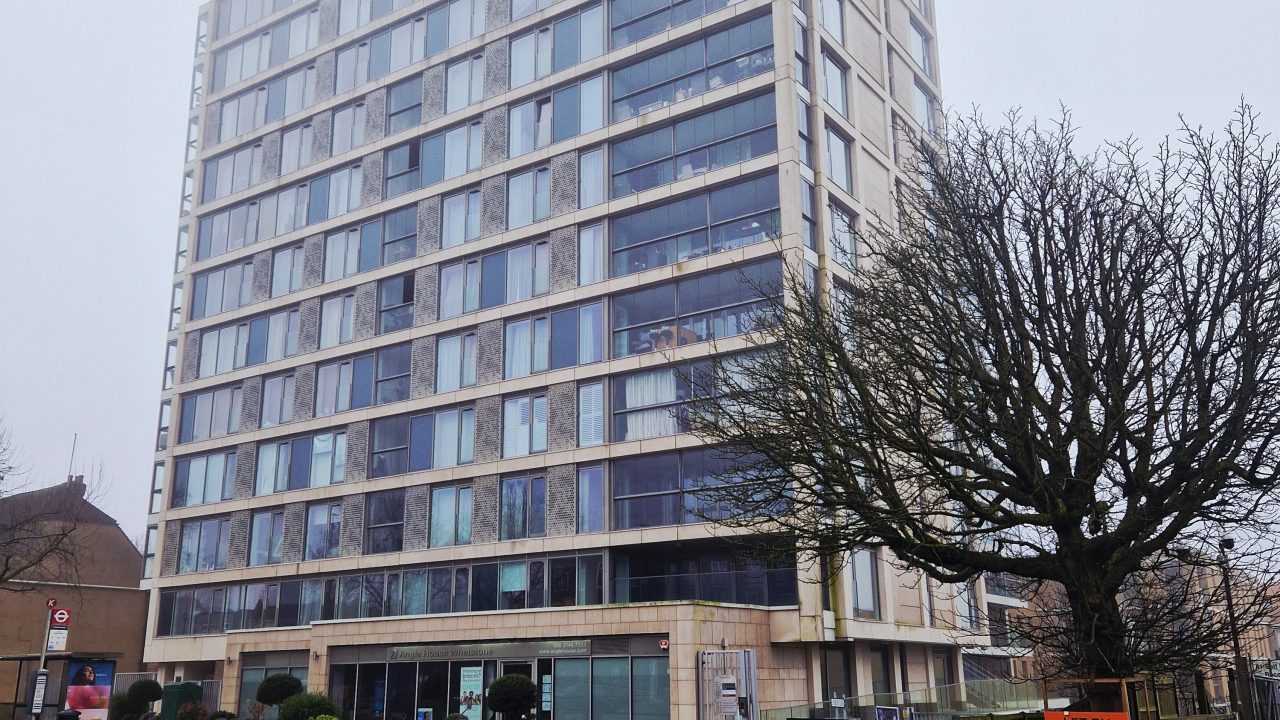

London’s housing crisis has become a persistent and defining feature of the 21st-century city. While discussions often centre on soaring prices and the struggle for affordability, the true impact is far more profound. This crisis is not merely an economic or social inconvenience; it is actively and visibly reshaping London’s urban fabric, influencing everything from architectural styles and streetscapes to community cohesion and the very notion of who London belongs to. This column will delve into the multifaceted ways this ongoing housing challenge is altering the physical and social landscape of the capital.
Why It Matters
The implications of London’s housing crisis extend far beyond the immediate concerns of those struggling to find a home. A city where housing is perpetually out of reach for a significant portion of its population faces a series of interconnected challenges. It can lead to increased social stratification, with wealthier residents occupying prime areas and lower-income individuals pushed to the peripheries, creating spatial inequality. This, in turn, can strain public services, lengthen commutes, and erode the sense of community that makes a city vibrant. Furthermore, the relentless demand for new housing, often met with high-rise developments or the demolition of existing structures, alters the historic character and street-level experience of neighbourhoods. Understanding these shifts is crucial for anyone invested in the long-term health and liveability of London.
What Sources Show
Official data consistently highlights the severity of London’s housing shortage and affordability gap. The Greater London Authority (GLA) regularly publishes reports detailing housing targets, completions, and affordability metrics. For instance, their statistics often reveal a significant shortfall in the delivery of affordable housing units compared to the stated need. Transport for London (TfL) property disposals, while aimed at generating revenue, also play a role in shaping development patterns, often releasing land for housing projects.
Data from the Office for National Statistics (ONS) on house prices and rental yields in London compared to the rest of the UK underscores the scale of the affordability problem. These figures demonstrate a persistent and widening gap, making homeownership an increasingly distant dream for many and placing immense pressure on the rental market.
Research from bodies like the London School of Economics (LSE) or the Royal Town Planning Institute (RTPI) often analyses the impact of planning policies, development trends, and the role of institutional investors in the housing market. These studies frequently point to the densification of certain areas, the rise of Build-to-Rent schemes, and the associated concerns about community displacement and the loss of traditional housing stock. For example, studies on gentrification in areas like Hackney or Elephant & Castle have documented significant demographic and physical changes driven by new development and rising property values.
Competing Readings
The narrative surrounding London’s housing crisis is not monolithic, and different stakeholders interpret its causes and consequences through various lenses.
One perspective, often championed by developers and those favouring market-driven solutions, emphasizes the need to increase supply to meet demand. They argue that restrictive planning policies, lengthy approval processes, and community opposition to new developments are the primary culprits. From this viewpoint, the reshaping of the urban fabric through denser development and modern architecture is a necessary evolution to accommodate a growing population and boost the economy. They might point to the economic benefits of construction and the potential for well-designed high-rises to offer desirable urban living.
Conversely, community groups and housing advocates often highlight the role of financialisation and speculative investment in exacerbating the crisis. They argue that housing is increasingly treated as a commodity rather than a fundamental right, leading to soaring prices that outstrip wage growth. This reading sees the reshaping of neighbourhoods as a process of displacement and gentrification, where existing communities are priced out and the unique character of areas is eroded by generic, luxury-focused development. They advocate for stronger rent controls, increased social housing provision, and policies that prioritise genuinely affordable homes.
A third viewpoint focuses on the inadequacy of infrastructure to keep pace with development. As new housing is built, particularly in outer London or on previously undeveloped land, the strain on transport links, schools, and healthcare facilities intensifies. This perspective suggests that the physical reshaping of the city is occurring without the necessary accompanying investment in public services, leading to a decline in the quality of life for both new and existing residents.
What Remains Unclear
Despite extensive research, several aspects of how the housing crisis is reshaping London remain subjects of ongoing debate and require further investigation.
The long-term social consequences of increased housing precarity are not fully understood. How will a generation that faces persistent housing insecurity impact social mobility, family formation, and civic engagement? The precise balance between the benefits of increased housing density and the potential loss of green spaces and neighbourhood character is also difficult to quantify. While density can improve efficiency and reduce sprawl, its implementation can lead to overcrowding, loss of amenity, and a diminished sense of place if not managed carefully.
Furthermore, the efficacy of various policy interventions in addressing the crisis is constantly being tested. While governments introduce new housing targets, planning reforms, and subsidy schemes, their actual impact on affordability and the nature of development is often debated and can take years to manifest. The role of global capital in London’s housing market and its influence on urban development patterns also presents a complex and evolving challenge, with its full implications still emerging.
Practical Checks
For residents and urban observers, several practical checks can help understand the ongoing reshaping of London’s urban fabric due to the housing crisis:
- Observe new developments: Pay attention to the scale, design, and intended market of new housing projects in your area. Are they high-rise luxury apartments, affordable housing complexes, or a mix? How do they integrate with the existing streetscape?
- Monitor local planning applications: Regularly check your local council’s planning portal. This provides insight into proposed developments, their potential impact, and opportunities for public comment.
- Engage with community groups: Local resident associations and housing action groups often have detailed knowledge of neighbourhood changes and can offer valuable perspectives on the impacts of development.
- Track affordability trends: While official statistics are useful, also observe local rental and sale prices. Anecdotal evidence from local estate agents or community forums can provide a real-time sense of market shifts.
- Consider infrastructure strain: As new housing is built, observe the impact on local transport, schools, and public spaces. Are services keeping pace with population growth?
The housing crisis in London is not a static problem but a dynamic force actively sculpting the city. By understanding its multifaceted impacts – from the micro-level of street design to the macro-level of social equity and economic structure – we can better navigate its challenges and advocate for a more inclusive and sustainable urban future.
| Aspect of Urban Fabric | Impact of Housing Crisis | Potential Concerns |
|---|---|---|
| Housing Stock | Increased density, loss of older stock, rise of Build-to-Rent | Displacement, reduced affordability, loss of heritage |
| Streetscape | More high-rise buildings, less green space in some areas | Overcrowding, reduced amenity, altered neighbourhood character |
| Community Cohesion | Gentrification, displacement of long-term residents | Social fragmentation, loss of diverse communities |
| Infrastructure | Strain on transport, schools, and public services | Overstretched services, longer commutes, reduced quality of life |
| Economic Landscape | Increased construction activity, rising property values | Widening inequality, affordability barrier for key workers |
Related updates

When zoning reform meets private covenants: the HOA obstacle to backyard cottages
As more US cities rewrite zoning rules to allow accessory dwellings, private homeowners’ association covenants remain a barrier that reform alone cannot…
Read update
Seattle-Area Race Highlights Diverging Approaches to Housing, Transit and Tech Taxation
A Washington State legislative race in the 32nd District pits incrementalism against urgency on housing supply, transit funding and tech regulation, with…
Read update
New York court ruling on sanctuary policies carries implications for city-level immigration enforcement across the US
A federal judge has dismissed the Trump administration’s attempt to override New York City’s restrictions on immigration enforcement cooperation, citing state sovereignty.…
Read update
Automated license plate readers raise privacy, contract and oversight questions for UK cities
A new US-focused analysis of automated license plate recognition cameras highlights contract, privacy and oversight issues that London boroughs and Transport for…
Read updateWiki relacionada

Transport for London: The Backbone of Transit, Street and Service Reporting
Transport for London (TfL) is the UK’s most comprehensive source for transit data, street management and service-quality reporting. This reference page explains…
Read update
Transport for London: The Backbone of Transit, Street and Service Reporting
Transport for London (TfL) operates the city’s buses, Tube, trams, river services, roads and cycling infrastructure. This reference page explains how TfL…
Read update
Understanding the London Plan: A Guide to the Capital’s Spatial Development Strategy
The London Plan sets the strategic framework for development, housing, transport and the public realm across the capital. This guide explains its…
Read update
Transport for London as a Source for Transit, Street and Service-Quality Reporting
Transport for London is one of the most comprehensive urban data providers in the world. This reference page explains how journalists, planners…
Read update