
The Future of London’s High Streets: Adapting to Digital and Societal Shifts
London's high streets are at a crossroads. This column explores the challenges and opportunities presented by the digital revolution, changing consumer behaviours, and the urgent need for urban planning to foster resilient and vibrant local economies.
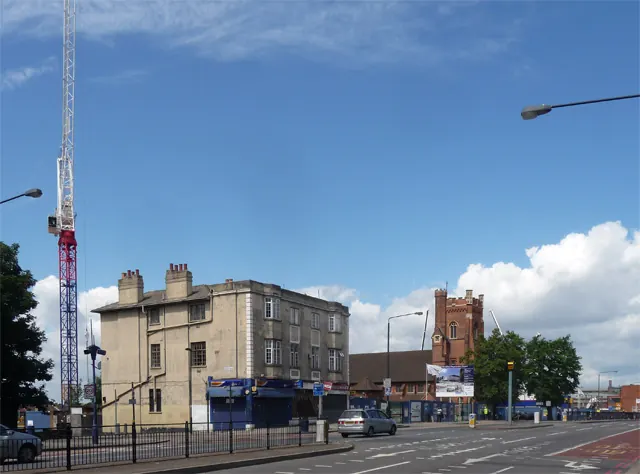
London’s high streets, the traditional arteries of commerce and community, are facing an unprecedented period of transformation. The dual forces of digital acceleration and evolving societal expectations are reshaping how we shop, socialise, and interact with our urban environments. This is not merely a story of declining retail footfall; it is a complex narrative of adaptation, resilience, and the urgent need for forward-thinking urban planning to ensure these vital spaces remain centres of opportunity and connection for Londoners.
The traditional model of the high street, dominated by brick-and-mortar retail, has been steadily eroded by the rise of e-commerce. While online shopping offers convenience and choice, it has undeniably impacted the physical presence of many businesses. However, this shift also presents an opportunity to reimagine the purpose of the high street. Beyond mere transaction points, they can evolve into multifaceted destinations offering experiences, services, and community hubs that digital platforms cannot replicate. The challenge for London, a city defined by its dynamic urban fabric, is to harness this potential and steer its high streets towards a sustainable and inclusive future.
Why It Matters
The health of London’s high streets has direct implications for the city’s economic vitality, social cohesion, and environmental sustainability. Economically, they are significant employers and contribute to local business rates. Socially, they serve as vital public spaces, fostering community interaction and a sense of place. Environmentally, well-designed and accessible high streets can encourage walking and cycling, reducing reliance on private vehicles and contributing to a greener urban landscape. A decline in their vibrancy can lead to vacant units, reduced local spending, and a diminished sense of community, creating a downward spiral that is difficult to reverse. For Londoners, the local high street is often the first point of contact with urban life beyond their immediate neighbourhood, shaping their daily experiences and perceptions of the city.
What Sources Show
Analysis of recent trends and policy documents reveals several key indicators of the challenges and emerging solutions for London’s high streets. The London Datastore and various borough council reports highlight a consistent pattern of retail vacancies across different areas, particularly for independent shops and those reliant on high-footfall convenience shopping. Transport for London (TfL) data, while primarily focused on mobility, also implicitly points to changing travel patterns that impact high street accessibility and appeal.
Specialist urbanism publications and research from bodies like the Royal Town Planning Institute (RTPI) emphasise the growing importance of a mixed-use approach. This involves integrating residential, leisure, cultural, and community facilities alongside retail. For example, initiatives focusing on “meanwhile uses” – temporary pop-up shops, markets, and cultural events in vacant spaces – are proving effective in injecting life and activity into underutilised areas. Greater London Authority (GLA) strategies often advocate for supporting local businesses, promoting “shop local” campaigns, and investing in public realm improvements to enhance the pedestrian experience.
A review of planning committee papers from various London boroughs shows an increasing number of applications for change of use from retail to other functions, such as residential or leisure. While this reflects the economic pressures on retail, it also signals a rebalancing of the high street’s function. Furthermore, research into consumer behaviour indicates a growing demand for ‘experiential retail’ – shopping that involves more than just purchasing goods, such as workshops, demonstrations, or unique in-store services.
Competing Readings
One perspective is that the decline of the traditional high street is an inevitable consequence of technological progress and consumer preference for online convenience. From this viewpoint, the focus should be on managing the decline gracefully, perhaps by repurposing vacant spaces for housing or logistics. This “retail apocalypse” narrative suggests that physical retail, as we knew it, is on a terminal trajectory.
A contrasting reading, however, sees this as a period of necessary evolution rather than terminal decline. Proponents of this view argue that the high street’s inherent value lies in its role as a physical and social anchor. They advocate for strategic investment in public realm, supporting diverse business models (including independent retailers and service providers), and fostering a sense of place through cultural programming and community engagement. This perspective views the digital shift not as a replacement for physical spaces, but as a catalyst for them to become more specialised, experience-driven, and community-focused. It also highlights the potential for high streets to become hubs for local services, such as health centres, libraries, and co-working spaces.
A third reading considers the equity implications. While some Londoners benefit from the convenience of online shopping, others, particularly older residents or those with limited digital access, rely heavily on local, accessible high street amenities. Policies must therefore ensure that the transition does not exacerbate existing inequalities or create “digital deserts” where essential services become inaccessible.
What Remains Unclear
Despite efforts to revitalise London’s high streets, several critical questions remain unanswered. The long-term economic viability of purely experiential retail in a city with high operating costs is still being tested. How can policies effectively support independent businesses against the purchasing power of large online retailers and established chains? What is the optimal mix of retail, residential, leisure, and community uses for different types of high streets across London, from busy urban centres to quieter neighbourhood parades?
Furthermore, the precise impact of new mobility trends, such as micromobility and the continued shift towards public transport, on high street accessibility and design is yet to be fully understood. Will increased reliance on deliveries for online purchases exacerbate congestion and air quality issues on high streets? The funding mechanisms for sustained public realm improvements and community initiatives also remain a challenge, particularly in an era of fiscal constraint.
Practical Checks for Londoners and Policymakers
For Londoners, understanding the evolving role of their local high street is the first step.
* Observe and Engage: Take note of which businesses are thriving and which are struggling. Attend local community meetings or planning consultations related to your high street.
* Support Local: Prioritise shopping at independent retailers and using local services where possible. A small shift in spending habits can make a significant difference.
* Advocate for Placemaking: Support initiatives that enhance the public realm, such as improved street furniture, green spaces, and pedestrian-friendly designs.
For policymakers and urban planners, the following checks are crucial:
* Data-Driven Analysis: Continuously monitor vacancy rates, footfall, and business diversity across different high street typologies.
* Flexible Planning: Adopt planning policies that allow for a greater mix of uses and encourage innovative “meanwhile” uses for vacant properties.
* Investment in Public Realm: Prioritise investment in high-quality public spaces that encourage social interaction and active travel.
* Support for Local Businesses: Develop targeted support programmes for independent retailers, including access to finance, digital skills training, and business advice.
* Community Collaboration: Foster partnerships between local authorities, businesses, and community groups to co-create visions for their high streets.
The future of London’s high streets is not predetermined. It will be shaped by the choices made today by residents, businesses, and policymakers. By embracing adaptability, fostering innovation, and prioritising community well-being, London can ensure its high streets continue to be vibrant, resilient, and cherished parts of its urban identity.
| Aspect | Traditional High Street | Evolving High Street |
|---|---|---|
| Primary Function | Retail sales | Mixed-use: retail, experience, community, services |
| Key Drivers | Consumer demand for goods | Digitalisation, experiential economy, localism |
| Public Realm Use | Pedestrian circulation, some seating | Active social spaces, green infrastructure, events |
| Business Mix | Predominantly retail | Diverse: retail, food & beverage, leisure, services, co-working |
| Policy Focus | Facilitating retail development | Placemaking, resilience, local economic support, mixed-use integration |
| Reader Value | Access to goods | Access to goods, services, social connection, experience |
Related updates

Seattle-Area Race Highlights Diverging Approaches to Housing, Transit and Tech Taxation
A Washington State legislative race in the 32nd District pits incrementalism against urgency on housing supply, transit funding and tech regulation, with…
Read update
New York court ruling on sanctuary policies carries implications for city-level immigration enforcement across the US
A federal judge has dismissed the Trump administration’s attempt to override New York City’s restrictions on immigration enforcement cooperation, citing state sovereignty.…
Read update
Automated license plate readers raise privacy, contract and oversight questions for UK cities
A new US-focused analysis of automated license plate recognition cameras highlights contract, privacy and oversight issues that London boroughs and Transport for…
Read update
Oregon’s “fix it first” dilemma: what London’s transport planners can learn from a revolt against megaprojects
Surveys show Oregonians overwhelmingly want existing roads repaired before new megaprojects are funded, and trust in the state’s transport agency has collapsed.…
Read updateWiki relacionada
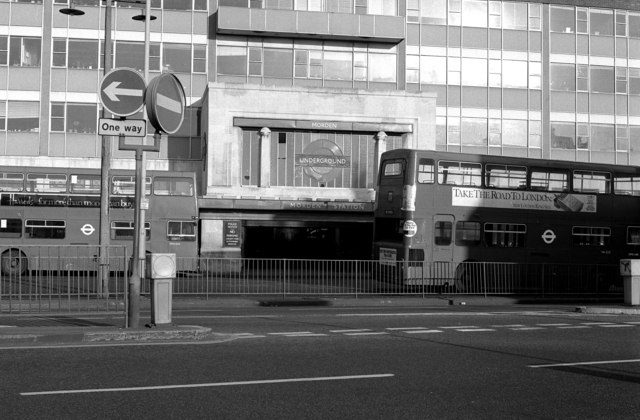
Transport for London: The Backbone of Transit, Street and Service Reporting
Transport for London (TfL) is the UK’s most comprehensive source for transit data, street management and service-quality reporting. This reference page explains…
Read update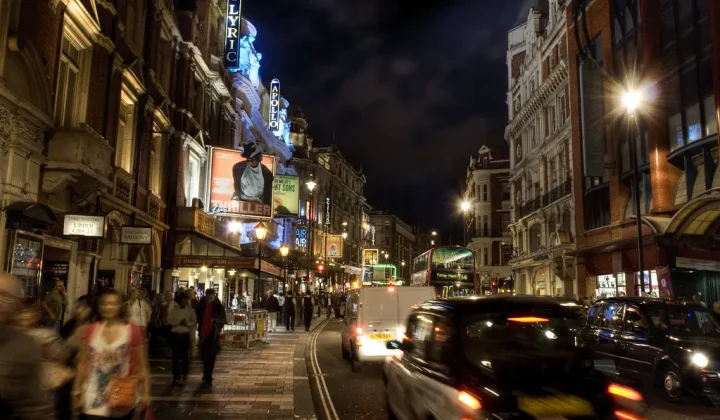
Transport for London: The Backbone of Transit, Street and Service Reporting
Transport for London (TfL) operates the city’s buses, Tube, trams, river services, roads and cycling infrastructure. This reference page explains how TfL…
Read update
Understanding the London Plan: A Guide to the Capital’s Spatial Development Strategy
The London Plan sets the strategic framework for development, housing, transport and the public realm across the capital. This guide explains its…
Read update
Transport for London as a Source for Transit, Street and Service-Quality Reporting
Transport for London is one of the most comprehensive urban data providers in the world. This reference page explains how journalists, planners…
Read update