
The Case for a London Congestion Charge Expansion: Balancing Revenue and Resident Needs
This column explores the complex debate around expanding London's congestion charge zone, weighing potential revenue benefits against the impact on residents and businesses.
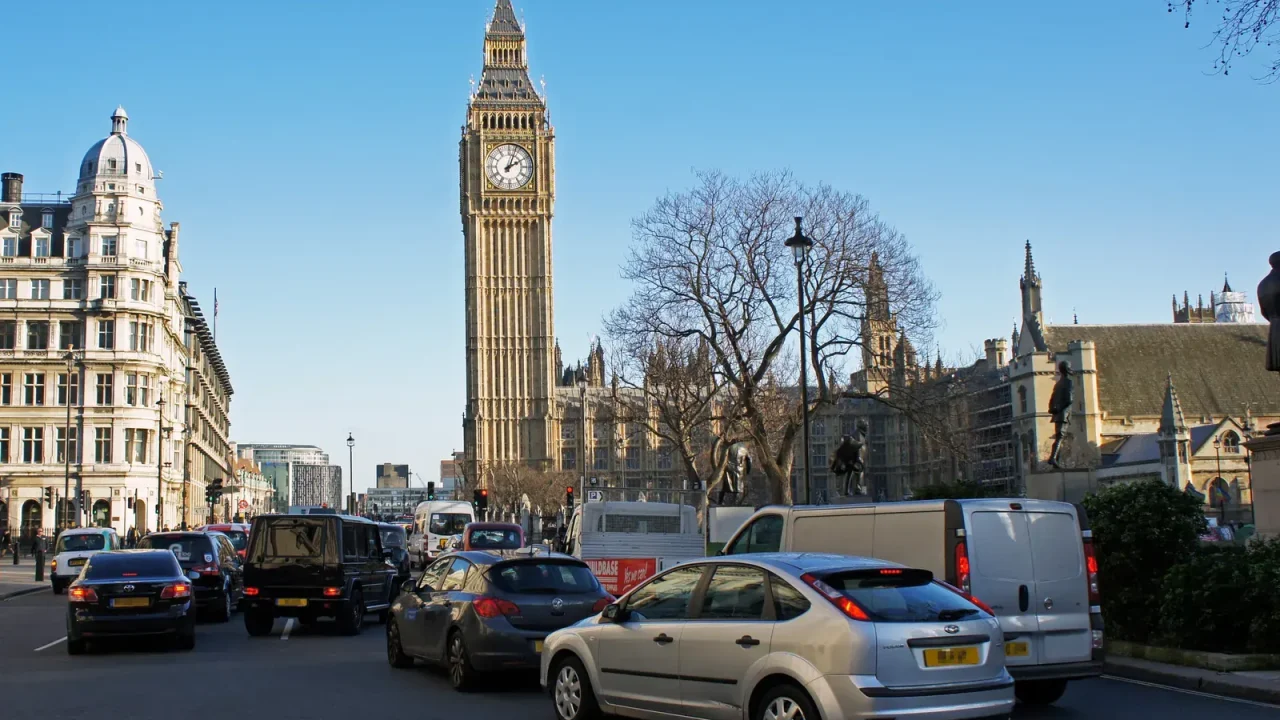
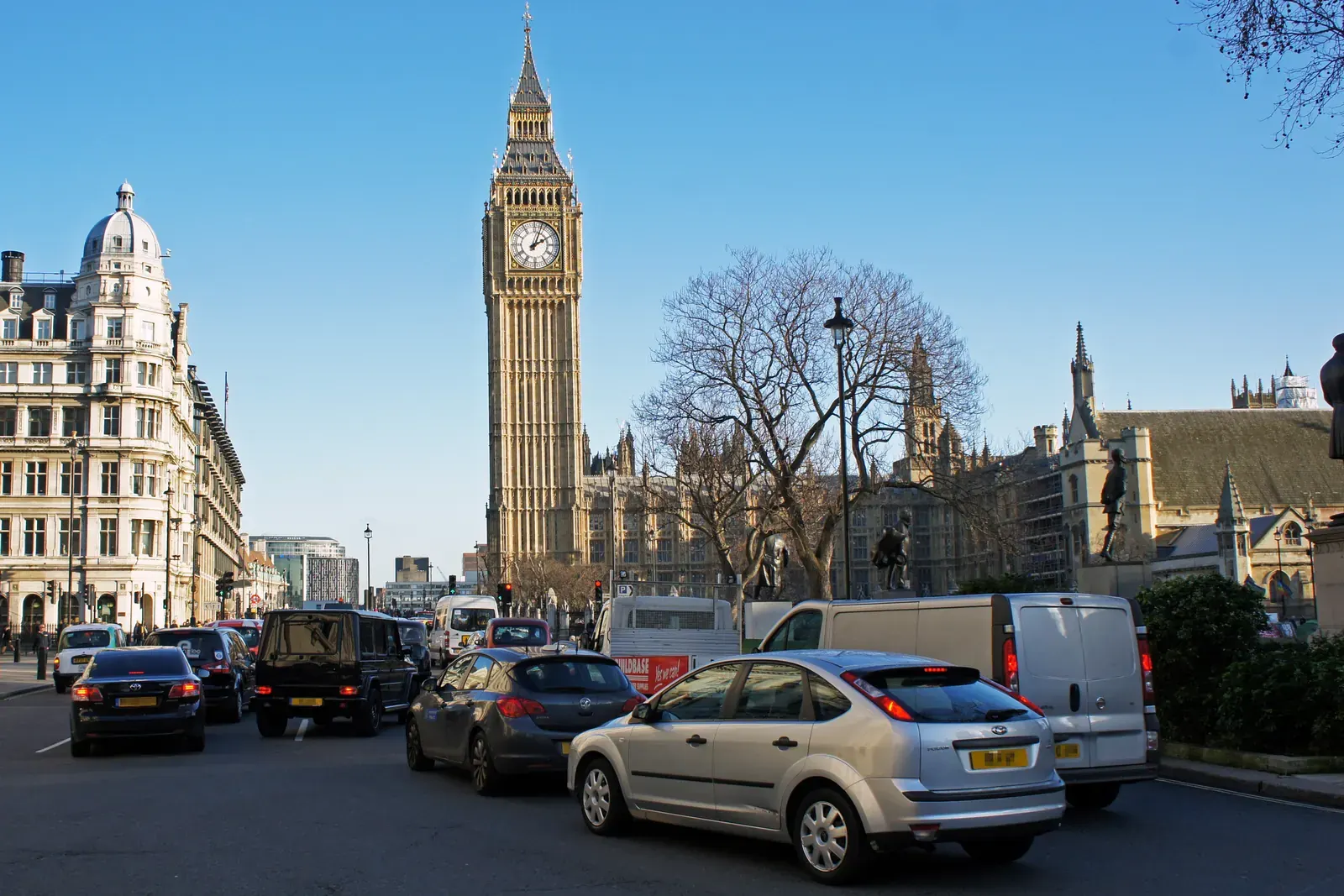
The concept of charging drivers to enter central urban areas is not new. London’s Congestion Charge, introduced in 2003, has been a significant instrument in managing traffic flow and generating revenue for public transport. However, as the city continues to grow and face new challenges, the debate around expanding this zone has resurfaced, presenting a complex interplay between financial imperatives and the daily realities of Londoners. This column delves into the arguments for and against such an expansion, examining the potential benefits and drawbacks for residents, businesses, and the wider urban fabric.
Why This Matters
The primary driver behind discussions of expanding the congestion charge zone often centres on the need for sustainable funding for London’s transport infrastructure. Transport for London (TfL) faces ongoing financial pressures, and the congestion charge, alongside other user-charging mechanisms, represents a crucial income stream. Proponents argue that extending the charge could not only bolster TfL’s coffers but also further encourage modal shift away from private vehicles, leading to reduced air pollution, improved public health, and more pleasant street environments. This is particularly relevant in outer London boroughs, which often experience significant traffic congestion and have a greater reliance on private cars due to less comprehensive public transport networks compared to the city centre.
What Official Sources Show
Transport for London’s own reports and consultations have, at various times, explored the implications of extending charging zones. While specific proposals for a broad expansion have not consistently been at the forefront of recent policy, the underlying data consistently points to the effectiveness of charging in reducing traffic. For instance, studies preceding the initial congestion charge implementation showed significant drops in vehicle numbers within the zone. More recently, analyses of the Ultra Low Emission Zone (ULEZ), which has overlapping but distinct objectives, demonstrate a strong correlation between charging zones and improved air quality.
A key consideration for any expansion would be the impact on residents living within the proposed new charging areas. TfL typically offers discounts or exemptions for residents, a crucial element that would need careful calibration. The potential for increased revenue is significant; however, this must be weighed against the financial burden on those who rely on their vehicles for work, childcare, or other essential journeys. Data from the London Datastore on traffic patterns and public transport usage in outer boroughs would be vital in modelling the potential effects of an expanded charge.
Competing Readings
The expansion of the congestion charge is far from a universally supported idea. Critics argue that such a move would disproportionately affect lower-income residents in outer London, who may have fewer alternative transport options and for whom the daily charge represents a substantial expense. This perspective highlights the potential for an expanded charge to exacerbate existing social inequalities. Furthermore, businesses in areas bordering the expanded zone could see a reduction in customer footfall if potential visitors are deterred by the additional cost.
Another reading suggests that while revenue generation is a stated goal, the administrative and enforcement costs of a larger zone might offset some of the gains. There’s also the argument that focus should instead be on improving public transport and active travel infrastructure in these areas, making them more attractive alternatives to driving, rather than simply penalising car use. This approach prioritises investment in solutions that offer positive incentives rather than the imposition of charges.
What Remains Unclear
The precise economic impact of an expanded congestion charge zone remains a subject of debate. While studies on the central zone and ULEZ provide some guidance, the behaviour of drivers and businesses in outer London boroughs, with their unique travel patterns and economic profiles, may differ significantly. The exact level of revenue generation would depend on factors like the final zone boundaries, the charge level, and the uptake of discounts and exemptions.
Furthermore, the political feasibility of implementing such a significant change, particularly in areas that may not have experienced the same level of congestion as central London, is uncertain. Public consultation and robust engagement with affected communities would be paramount, but securing broad consensus could prove challenging. The optimal balance between charging revenue, public transport investment, and social equity is a delicate one, and finding the right formula requires extensive data and careful consideration.
Practical Checks for Londoners
For residents and businesses in areas potentially affected by an expanded congestion charge, several practical steps can be taken:
| Consideration | Action | Potential Impact |
|---|---|---|
| Current Travel Habits | Analyse daily commute, errands, and essential journeys by car. | Identify potential cost increases and time savings from modal shift. |
| Alternative Transport | Research public transport routes, cycling infrastructure, and walking. | Gauge the feasibility and convenience of non-car options. |
| TfL Consultations | Actively participate in any official consultations or surveys. | Influence policy decisions and ensure local concerns are heard. |
| Local Business Impact | Discuss potential customer impact with local business groups. | Understand and prepare for changes in consumer behaviour. |
| Exemptions & Discounts | Stay informed about any proposed resident discounts or exemptions. | Determine eligibility for cost reductions if the charge is implemented. |
Ultimately, the decision to expand London’s congestion charge zone is a multifaceted one, requiring a thorough understanding of its potential economic, social, and environmental consequences. A balanced approach that prioritises both sustainable funding for transport and the well-being of Londoners will be essential for any successful implementation.
Related updates

Seattle-Area Race Highlights Diverging Approaches to Housing, Transit and Tech Taxation
A Washington State legislative race in the 32nd District pits incrementalism against urgency on housing supply, transit funding and tech regulation, with…
Read update
New York court ruling on sanctuary policies carries implications for city-level immigration enforcement across the US
A federal judge has dismissed the Trump administration’s attempt to override New York City’s restrictions on immigration enforcement cooperation, citing state sovereignty.…
Read update
Automated license plate readers raise privacy, contract and oversight questions for UK cities
A new US-focused analysis of automated license plate recognition cameras highlights contract, privacy and oversight issues that London boroughs and Transport for…
Read update
Oregon’s “fix it first” dilemma: what London’s transport planners can learn from a revolt against megaprojects
Surveys show Oregonians overwhelmingly want existing roads repaired before new megaprojects are funded, and trust in the state’s transport agency has collapsed.…
Read updateWiki relacionada

Transport for London: The Backbone of Transit, Street and Service Reporting
Transport for London (TfL) is the UK’s most comprehensive source for transit data, street management and service-quality reporting. This reference page explains…
Read update
Transport for London: The Backbone of Transit, Street and Service Reporting
Transport for London (TfL) operates the city’s buses, Tube, trams, river services, roads and cycling infrastructure. This reference page explains how TfL…
Read update
Understanding the London Plan: A Guide to the Capital’s Spatial Development Strategy
The London Plan sets the strategic framework for development, housing, transport and the public realm across the capital. This guide explains its…
Read update
Transport for London as a Source for Transit, Street and Service-Quality Reporting
Transport for London is one of the most comprehensive urban data providers in the world. This reference page explains how journalists, planners…
Read update