
How to Use the London Plan – A Practical Guide for Residents and Professionals
The London Plan sets the strategic framework for development across the capital. This guide explains how it works, what it contains, and how to use it to track planning decisions, housing targets, and transport policies.

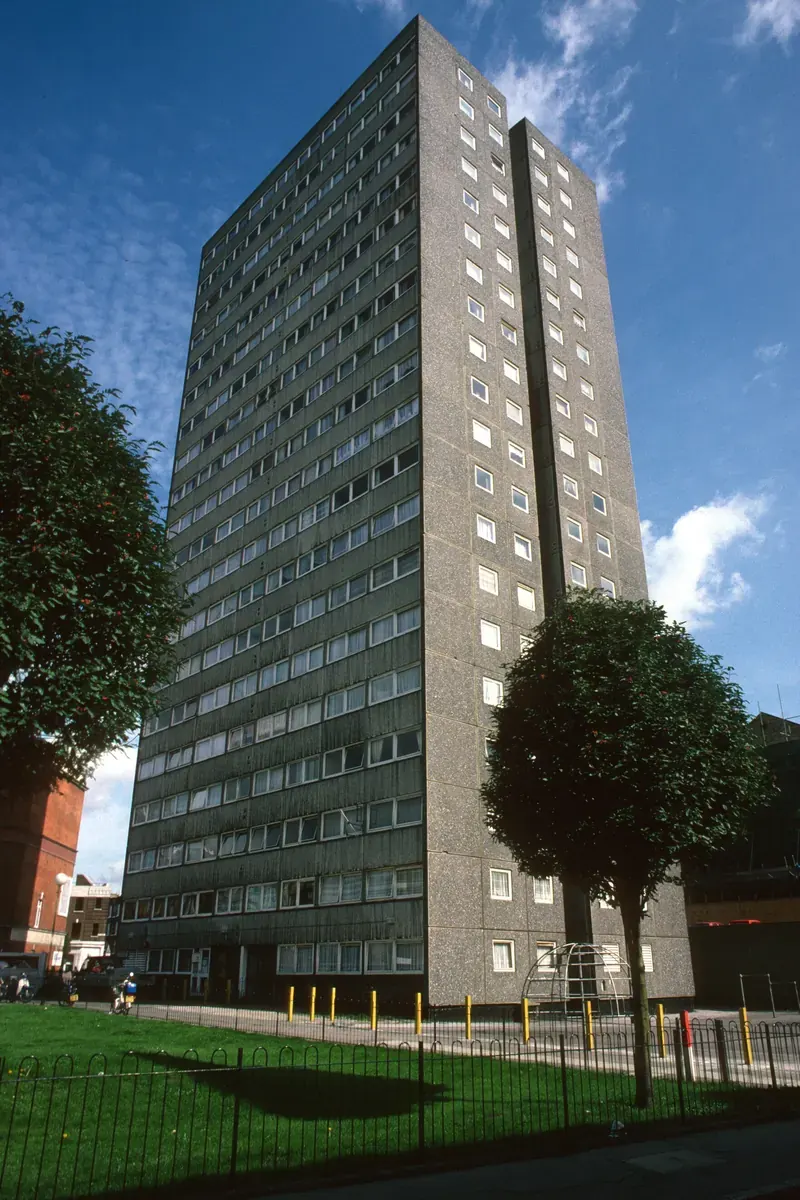
Every planning application, housing target, and transport scheme in London is shaped by a single document: the London Plan. Adopted by the Mayor of London, this spatial development strategy sets the rules for where new homes can be built, how much green space must be protected, and what infrastructure is needed to support growth. If you are a resident trying to understand a local development, a professional working with planning applications, or a student of urban policy, knowing how to read and use the London Plan is essential.
What the London Plan Is and Why It Matters
The London Plan is a statutory document under the Greater London Authority Act 1999 and the Planning and Compulsory Purchase Act 2004. It is produced by the Mayor of London and reviewed every few years. The current version is the London Plan 2021, which took effect in March 2021 after a public examination and mayoral adoption. It replaces the previous London Plan 2016 and is the official guide for all boroughs when preparing their local plans and deciding planning applications.
The plan covers the whole of Greater London and sets strategic policies on housing, transport, the economy, climate change, public realm, and design. Boroughs must be in “general conformity” with the London Plan, meaning their own local plans cannot contradict it. This gives the London Plan real legal weight – any planning application that departs from it may be called in by the Mayor for review.
Key Policy Areas in the London Plan 2021
The London Plan is organised into 10 chapters, each covering a strategic theme. The table below summarises the main policy areas and their practical implications.
| Policy Area | Key Policies | What It Means for Development |
|---|---|---|
| Housing | Targets: 66,000 homes per year, with minimum 50% affordable. Priority on brownfield land. | Boroughs must allocate land for housing and meet targets. Developers must include affordable housing or justify why not. |
| Green Belt and Metropolitan Open Land | Strong presumption against development. Only exceptional circumstances allowed. | Protects green belt from most new building. Any loss of green belt must be compensated. |
| Transport | Reduce car dependency, promote active travel and public transport. Car parking standards set by PTAL rating. | New developments near high-PTAL areas must have minimal parking. Cycle parking required. |
| Climate Change | Zero-carbon buildings by 2050, with on-site carbon reduction targets. Flood risk management. | New buildings must meet energy efficiency standards. Flood risk assessments required in zones 2 and 3. |
| Design and Heritage | Good design, inclusive access, and protection of heritage assets. Tall buildings only in defined locations. | All applications must show design quality. Heritage impact assessments needed for listed buildings or conservation areas. |
| Economy and Jobs | Support for town centres, creative industries, and night-time economy. Industrial land retention. | Loss of employment land must be justified. New offices in town centres preferred. |
How to Find the Current London Plan and Supporting Documents
The official London Plan is published on the Greater London Authority website. The main document is the “London Plan 2021” PDF, which includes the policies, maps, and annexes. There are also supplementary planning documents (SPDs) and guidance notes on specific topics such as housing design, energy planning, and the public transport accessibility levels (PTAL) methodology.
To access the plan:
- Visit the London Plan page on london.gov.uk.
- Look for the “Current London Plan” section – this is the legally adopted version.
- Download the full PDF or use the interactive online map tool to see policies applied to specific areas.
- Check the “Draft New London Plan” section if you want to see upcoming changes (the next review process started in 2024).
Boroughs also publish their own Local Plans, which must be read alongside the London Plan. You can find these on each borough’s planning policy page or via the London Datastore.
How to Use the London Plan When Reviewing a Planning Application
If you are objecting to or supporting a planning application, citing the relevant London Plan policy can strengthen your case. Here is a practical step-by-step approach:
Identify the application site on the GLA’s interactive policy map to see which policies apply (e.g., green belt, flood zone, PTAL rating).
2. Find the relevant chapter in the London Plan PDF – for example, if the application is for a tall building, look at Policy D9 (Tall buildings).
3. Check whether the application’s planning statement mentions the London Plan. If it does not, that may be a weakness.
4. See if the borough’s own local plan policies are consistent with the London Plan. If they are not, you can argue that the decision should be called in by the Mayor.
5. If the application involves a major development (more than 150 homes or 15,000 square metres of floorspace), the Mayor has the power to direct refusal. You can submit a representation to the GLA during the “Stage 2” referral process.
Limitations and How to Stay Updated
The London Plan is a strategic document – it does not cover every detail. For specific guidance on transport, design, or affordable housing, you need to consult the supplementary planning documents and the borough-level guidance. Also, the plan is periodically reviewed. The next review (the “New London Plan”) is expected to be published in draft form in 2025, with adoption by 2026. Keep an eye on the GLA’s consultation page to submit comments during the public examination.
For practical purposes, always check the date of the London Plan you are using. The 2021 version is the current legal document, but some policies may be superseded by ministerial directions or court judgments. The London Datastore and the Planning Advisory Service are good secondary sources for updates.
Next Steps
- Download the London Plan 2021 PDF from the GLA website.
- Find your borough’s local plan on the borough council site.
- If you are dealing with a specific planning application, identify the relevant London Plan policies and see if they are being followed.
- For professional users, consider subscribing to the GLA’s planning policy email alerts to receive notifications of new guidance and consultations.
The London Plan is a powerful tool for anyone wanting to understand or influence development in London. By learning how to navigate it, you can assess whether a proposed scheme is in line with the capital’s strategic priorities and make your voice heard in the planning system.
Related updates

Record Campaign Spending in Washington State Prompts Questions About Money in Local Planning Politics
A Seattle specialist outlet reports unprecedented corporate and billionaire spending ahead of the 2026 US midterms, including a Microsoft-backed PAC targeting a…
Read update
Post-storm waste collection is a resilience test London boroughs cannot schedule
A look at how two US cities treated storm debris clearance as a pre-planned system rather than an emergency scramble, and what…
Read update
Chicago’s sewage overflows are a warning for London’s combined sewers
Chicago's Racine Avenue pumping station has discharged more than 10 billion gallons of combined sewage into the Chicago River this year, despite…
Read update
St. Louis bets on conversions and innovation zones for its downtown: the test London has already run
St. Louis is leaning on office-to-residential conversions, innovation zones and private-sector partnerships to revive its urban core. The instruments are familiar in…
Read updateWiki relacionada

Transport for London: The Backbone of Transit, Street and Service Reporting
Transport for London (TfL) is the UK’s most comprehensive source for transit data, street management and service-quality reporting. This reference page explains…
Read update
Transport for London: The Backbone of Transit, Street and Service Reporting
Transport for London (TfL) operates the city’s buses, Tube, trams, river services, roads and cycling infrastructure. This reference page explains how TfL…
Read update
Understanding the London Plan: A Guide to the Capital’s Spatial Development Strategy
The London Plan sets the strategic framework for development, housing, transport and the public realm across the capital. This guide explains its…
Read update
Transport for London as a Source for Transit, Street and Service-Quality Reporting
Transport for London is one of the most comprehensive urban data providers in the world. This reference page explains how journalists, planners…
Read update