The Future of London’s Public Realm: Balancing Pedestrian Needs with Urban Vitality
This column explores the evolving landscape of London's public realm, examining the delicate balance required to prioritise pedestrian experience while fostering vibrant urban life and economic activity.
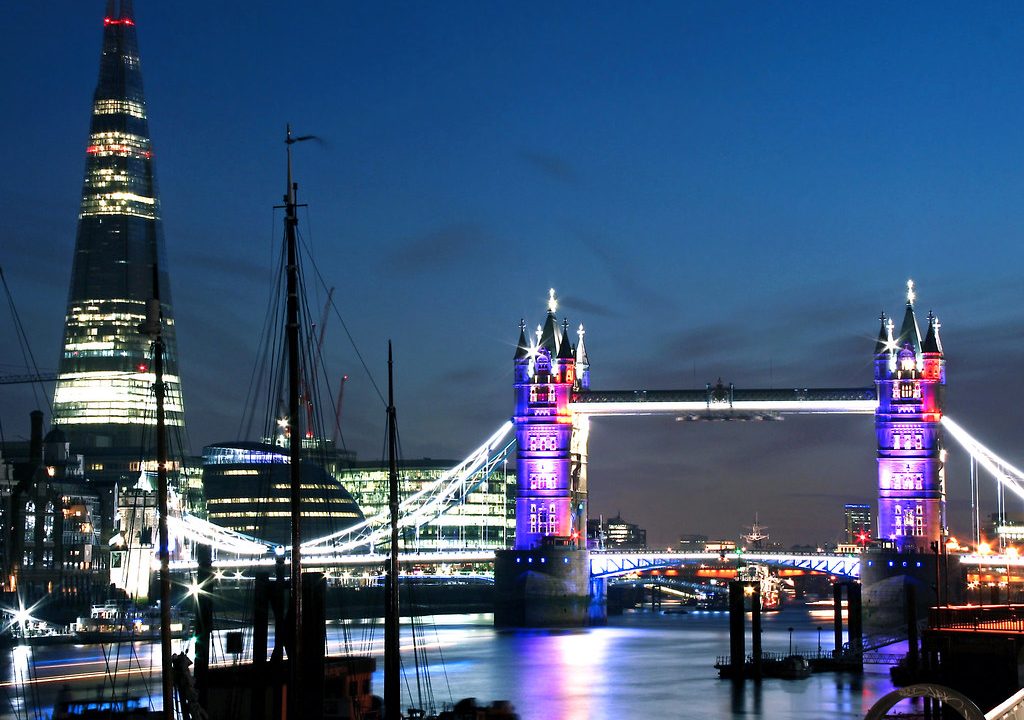
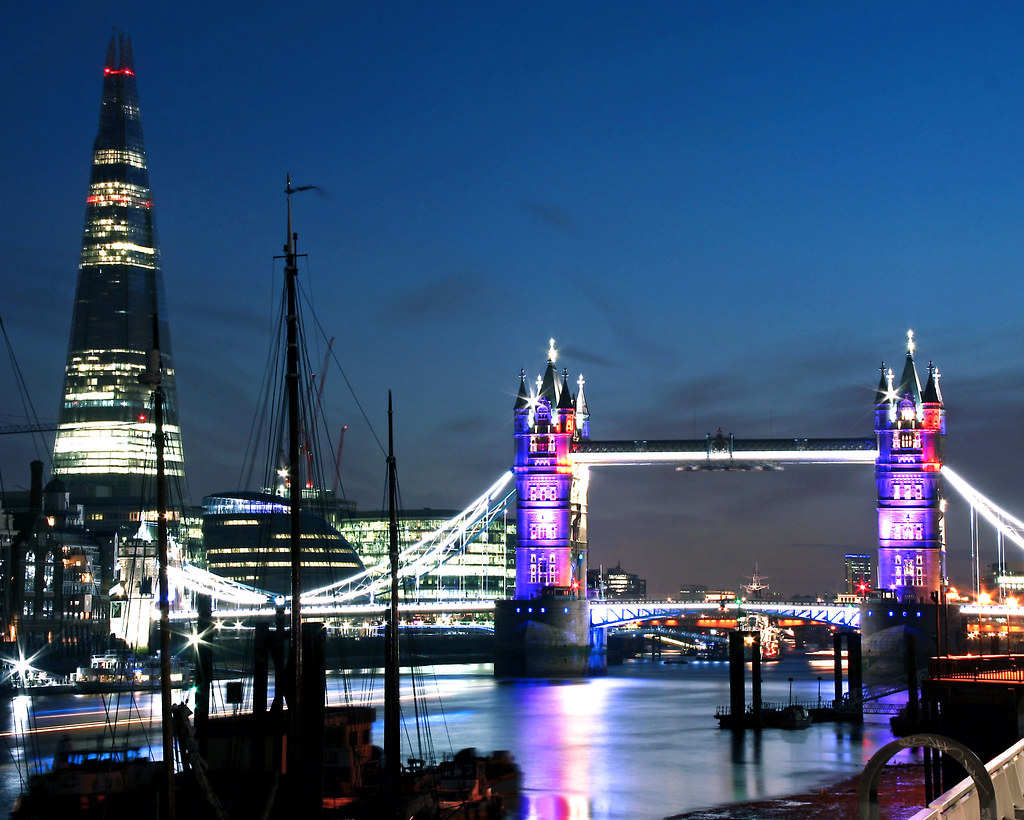
The very essence of a city lies not just in its buildings and infrastructure, but in the quality of its public realm – the spaces between, where people connect, move, and experience urban life. For London, a global metropolis constantly in flux, the ongoing evolution of its public realm presents a critical juncture. The challenge lies in a fundamental question: how can we design and manage these spaces to truly prioritise the pedestrian experience, fostering a more liveable, equitable, and sustainable city, without stifling the urban vitality that makes London so dynamic? This article delves into the multifaceted considerations, examining the driving forces, the evidence, and the potential futures for London’s streets and squares.
Why It Matters
London’s public realm is more than just pavement and street furniture; it is the city’s living room. It encompasses streets, squares, parks, riverfronts, and pedestrianised zones, all of which are vital for social interaction, economic activity, and the overall well-being of its inhabitants. As urban populations grow and cities grapple with climate change, air quality concerns, and the increasing dominance of private vehicles, the re-evaluation of public space is paramount. A well-designed public realm can encourage walking and cycling, reduce reliance on cars, improve public health, foster community cohesion, and bolster local businesses by creating attractive destinations. Conversely, a neglected or poorly managed public realm can lead to alienation, reduced economic performance, and a diminished quality of life. The decisions made today about how we shape these spaces will have a profound and lasting impact on London’s character and its ability to thrive in the 21st century.
What Sources Show
Official strategies and reports from bodies like the Greater London Authority (GLA) and Transport for London (TfL) consistently highlight the importance of active travel and high-quality public spaces. TfL’s “Mayor’s Transport Strategy” champions a shift towards walking, cycling, and public transport, with public realm improvements being a key enabler. For instance, initiatives like the “Streetspace for London” programme, accelerated during the pandemic, saw the temporary and then sometimes permanent reallocation of road space to pedestrians and cyclists. Analysis of these changes, often published by urbanism consultancies and academic institutions, reveals a mixed picture. Some studies indicate a significant increase in footfall and improved local business performance in areas with enhanced pedestrian zones, such as parts of Oxford Street or the revitalised areas around Covent Garden. Conversely, other analyses point to concerns about the displacement of traffic and potential impacts on accessibility for certain groups, particularly those with mobility issues or relying on specific bus routes.
Examining the data from London Datastore on pedestrian counts and journey times in various boroughs can offer quantitative insights. While a general trend towards increased pedestrian activity in improved areas is often observed, the impact on overall traffic flow and the distribution of that flow is complex and requires careful monitoring. Furthermore, publications from organisations like the Design Council and the Royal Town Planning Institute often provide case studies and best practice guidance on creating inclusive and engaging public spaces, emphasising principles like universal design, green infrastructure integration, and the need for a participatory approach to planning.
Competing Readings
The debate surrounding the future of London’s public realm often crystallises around the tension between creating car-free or car-reduced zones and maintaining accessibility for all. One perspective, championed by many urban planners and environmental advocates, argues for a radical re-imagining of streets as primarily public spaces for people. This view advocates for significant expansion of pedestrianised areas, traffic calming measures, and the prioritisation of active travel infrastructure. The benefits cited include reduced pollution, safer streets, and more vibrant commercial areas that attract people on foot.
A contrasting viewpoint, often voiced by some business groups and residents concerned about access, emphasises the continued need for vehicular access, particularly for deliveries, emergency services, and those who rely on private transport. This perspective raises concerns that overly restrictive pedestrianisation could harm businesses by reducing customer access and increase congestion on remaining routes. It calls for a more nuanced approach, perhaps focusing on selective street closures, improved public transport alternatives, and carefully managed delivery windows, rather than wholesale pedestrianisation.
Another layer of complexity arises from the differing needs of various user groups. While young, able-bodied individuals might readily embrace entirely car-free environments, older residents, people with disabilities, and families with young children may require more direct and convenient access options. Ensuring that public realm strategies are inclusive and do not inadvertently create new barriers is a significant challenge.
What Remains Unclear
Despite considerable effort and investment, several aspects of London’s public realm evolution require further clarity and sustained research. The long-term economic impact of widespread pedestrianisation on different types of businesses remains a subject of ongoing debate, with studies sometimes yielding conflicting results depending on methodology and the specific case. Understanding the true cost-benefit analysis, factoring in public health gains, environmental improvements, and economic shifts, is crucial.
Furthermore, the optimal design and management of these enhanced public spaces are still being discovered. How can we best integrate green infrastructure to combat the urban heat island effect and improve biodiversity while maintaining usability? What are the most effective strategies for ensuring that these spaces foster genuine social interaction and a sense of community, rather than becoming sterile or exclusive zones? The role of technology, from smart traffic management to digital public services, in optimising public realm use also presents a frontier of inquiry. Finally, the equitable distribution of improved public spaces across all of London’s diverse boroughs is an ongoing concern, ensuring that benefits are not concentrated in already affluent areas.
Practical Checks
For Londoners and urban observers seeking to understand and engage with the evolution of their city’s public realm, several practical checks can be employed.
- Local Authority Planning Portals: Regularly check the websites of your local borough council and the Greater London Authority for upcoming consultations, planning applications related to streetscape changes, and published strategies. These documents often provide direct insights into proposed changes and the rationale behind them.
- Transport for London (TfL) Updates: TfL’s website and public consultations are crucial for understanding changes to major road networks, cycling infrastructure, and pedestrian schemes that impact wider areas of the city.
- Data Analysis: Explore publicly available datasets on the London Datastore. Look for data on pedestrian counts, cycle counts, traffic volumes, and air quality in areas undergoing public realm changes. Comparing pre- and post-intervention data can offer valuable insights.
- Observe and Engage: Pay attention to your own experiences and those of others in public spaces. Notice how people use them, what works well, and what could be improved. Participate in local community group discussions and public meetings.
- Consult Urbanism Resources: Follow publications and reports from reputable urban planning and design organisations, think tanks, and academic institutions that analyse urban development trends and case studies in London and internationally.
| Aspect of Public Realm | Key Considerations | Potential Benefits | Potential Challenges |
|---|---|---|---|
| Pedestrianisation | Traffic reduction, improved safety, enhanced street life | Increased footfall, better air quality, vibrant commercial areas | Accessibility for specific groups, delivery logistics, traffic displacement |
| Green Infrastructure | Integration of trees, green roofs, sustainable drainage | Reduced heat island effect, improved biodiversity, enhanced aesthetics | Maintenance costs, potential for obstruction, water management |
| Street Furniture & Design | Seating, lighting, wayfinding, art installations | Improved comfort, usability, aesthetic appeal, sense of place | Cost of installation/maintenance, potential for vandalism, suitability for diverse users |
| Multi-modal Integration | Seamless connections between walking, cycling, public transport, and limited private vehicle use | Enhanced connectivity, reduced journey times, greater accessibility | Space constraints, conflicting user needs, safety concerns at junctions |
The future of London’s public realm is not a foregone conclusion but a narrative being actively written by policy, design, and the daily experiences of its residents. By fostering informed debate, rigorous analysis, and a commitment to inclusive design, London can move towards a public realm that truly serves its people and enhances the vitality of this extraordinary city.
Related updates

Seattle-Area Race Highlights Diverging Approaches to Housing, Transit and Tech Taxation
A Washington State legislative race in the 32nd District pits incrementalism against urgency on housing supply, transit funding and tech regulation, with…
Read update
New York court ruling on sanctuary policies carries implications for city-level immigration enforcement across the US
A federal judge has dismissed the Trump administration’s attempt to override New York City’s restrictions on immigration enforcement cooperation, citing state sovereignty.…
Read update
Automated license plate readers raise privacy, contract and oversight questions for UK cities
A new US-focused analysis of automated license plate recognition cameras highlights contract, privacy and oversight issues that London boroughs and Transport for…
Read update
Oregon’s “fix it first” dilemma: what London’s transport planners can learn from a revolt against megaprojects
Surveys show Oregonians overwhelmingly want existing roads repaired before new megaprojects are funded, and trust in the state’s transport agency has collapsed.…
Read updateWiki relacionada
Transport for London: The Backbone of Transit, Street and Service Reporting
Transport for London (TfL) is the UK’s most comprehensive source for transit data, street management and service-quality reporting. This reference page explains…
Read update
Transport for London: The Backbone of Transit, Street and Service Reporting
Transport for London (TfL) operates the city’s buses, Tube, trams, river services, roads and cycling infrastructure. This reference page explains how TfL…
Read update
Understanding the London Plan: A Guide to the Capital’s Spatial Development Strategy
The London Plan sets the strategic framework for development, housing, transport and the public realm across the capital. This guide explains its…
Read update
Transport for London as a Source for Transit, Street and Service-Quality Reporting
Transport for London is one of the most comprehensive urban data providers in the world. This reference page explains how journalists, planners…
Read update