
The Future of London’s Public Realm: Adapting to Climate Change and Urbanisation
London's public spaces are at a critical juncture, facing the dual challenges of climate change and increasing urbanisation. This column explores how the city can adapt its public realm to ensure resilience, inclusivity, and liveability for future generations.
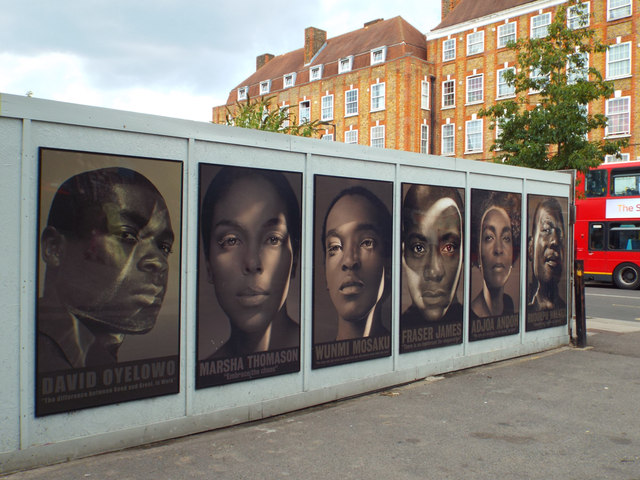
London’s public realm – its streets, parks, squares, and other shared spaces – is the city’s vital circulatory system and its living room. It’s where communities connect, commerce thrives, and the character of the city is most vividly expressed. However, this essential infrastructure is facing unprecedented pressures from two powerful forces: the accelerating impacts of climate change and the relentless march of urbanisation. As London grows and the climate becomes more unpredictable, the very nature and function of its public spaces are being tested, demanding a proactive and innovative approach to their design, management, and evolution.
The challenge is clear: how can London not only withstand the effects of a changing climate, such as increased heatwaves, extreme rainfall, and rising sea levels, but also accommodate a growing population within its finite urban footprint, all while enhancing the quality and accessibility of its public realm? This column will delve into the multifaceted nature of this challenge, examining the critical need for adaptation, exploring potential solutions rooted in green infrastructure and sustainable design, and considering the policy and governance frameworks required to implement them.
Why Adapting the Public Realm Matters
The significance of London’s public realm extends far beyond aesthetics. It is intrinsically linked to the city’s health, economy, and social fabric. In the face of climate change, well-designed public spaces can act as crucial buffers. Green infrastructure – a network of natural and semi-natural areas, including parks, street trees, green roofs, and sustainable drainage systems – can mitigate the urban heat island effect, absorb stormwater, improve air quality, and support biodiversity. These elements are not mere embellishments; they are essential components of urban resilience, helping to protect citizens from environmental hazards and enhance their well-being.
Simultaneously, London’s ongoing growth, driven by population increase and economic development, places additional strain on its public spaces. Increased density can lead to greater demand for public amenities, more pressure on transportation networks, and a potential reduction in open, green areas if not managed carefully. The future of London’s public realm, therefore, hinges on a delicate balancing act: preserving and enhancing existing spaces while creating new ones that are both functional and resilient in the face of these combined pressures.
What Sources Show: Emerging Strategies and Solutions
The London Plan, the Mayor’s overarching strategy for the city’s development, increasingly recognises the importance of climate resilience and high-quality public spaces. Policy SI 1, for instance, mandates the integration of green infrastructure and sustainable drainage systems into new developments, aiming to manage flood risk and enhance biodiversity. Transport for London (TfL) is also a key player, with initiatives to create more pedestrian-friendly streets, improve cycling infrastructure, and integrate greening into transport corridors.
Research from bodies like the Greater London Authority (GLA) and various academic institutions highlights the tangible benefits of greening urban areas. Studies consistently show that increased tree canopy cover can significantly reduce ambient temperatures during heatwaves. For example, the London Datastore provides data on the urban heat island effect across the city, illustrating the disproportionate impact on densely built-up areas. This data underscores the urgent need for strategic tree planting and the creation of new green spaces in these vulnerable zones.
Furthermore, innovative approaches to public realm design are emerging. Projects that prioritise multi-functional spaces, capable of serving different needs throughout the day and year, are gaining traction. This includes streets that can accommodate active travel, public events, and even temporary flood management. The concept of “sponge cities,” though originating elsewhere, offers a valuable framework for London, emphasising permeable surfaces, water-sensitive urban design, and integrated water management systems.
Competing Readings: Development vs. Green Space Preservation
One of the primary tensions in shaping London’s public realm lies in the competing demands of development and the preservation or expansion of green spaces. As the city strives to meet housing targets and accommodate economic growth, there is often pressure to utilise available land, which can include existing public or semi-public open spaces.
Some argue that a focus on density and maximising the use of land is paramount for economic viability and housing provision. From this perspective, while greening is desirable, it should not unduly impede development. This can lead to proposals for smaller, more fragmented green spaces, or a reliance on “hard” landscaping with limited ecological benefit.
Conversely, urbanists and environmental advocates stress the long-term value of robust green infrastructure and accessible public spaces. They argue that the costs associated with climate change impacts – such as increased flood damage, public health crises during heatwaves, and loss of biodiversity – far outweigh the short-term economic gains of sacrificing green space for development. This view champions a more integrated approach, where development and green infrastructure are seen as complementary, not conflicting, elements. The challenge is to ensure that new developments contribute positively to the public realm, rather than detracting from it.
What Remains Unclear: Implementation and Long-Term Funding
While the strategic vision for a more resilient and liveable public realm is taking shape, significant questions remain about its practical implementation and long-term sustainability.
Firstly, the scale of the transformation required is immense. Retrofitting existing streetscapes and public spaces to incorporate substantial green infrastructure, sustainable drainage, and climate adaptation measures is a complex and costly undertaking. Identifying specific sites, securing necessary permissions, and coordinating multiple stakeholders (including boroughs, TfL, utility companies, and private landowners) present considerable logistical hurdles.
Secondly, the funding model for maintaining and enhancing this expanded public realm over the long term is not always clear. While new developments often contribute to green infrastructure, the ongoing costs of tree care, park maintenance, and the upkeep of sustainable drainage systems require dedicated budgets. Without a consistent and sufficient funding stream, the long-term effectiveness of these interventions could be compromised.
Practical Checks for Londoners and Policymakers
For Londoners, engaging with the future of their public realm means understanding local plans, participating in consultations, and advocating for green and inclusive spaces. Checking local borough council websites for planning applications and public realm strategies is a crucial first step. Supporting local “Friends of” park groups or community gardening initiatives also contributes to the health of shared spaces.
For policymakers and urban planners, the following checks are vital:
- Data-Driven Decision Making: Continue to leverage data from sources like the London Datastore to identify areas most vulnerable to climate impacts and to monitor the effectiveness of green infrastructure interventions.
- Integrated Planning: Foster closer collaboration between planning authorities, TfL, environmental agencies, and developers to ensure that public realm improvements are integrated into all stages of development.
- Innovative Funding Models: Explore diverse funding streams, including developer contributions, public-private partnerships, and potentially dedicated levies, to ensure the long-term maintenance and enhancement of public spaces.
- Community Engagement: Prioritise meaningful community consultation to ensure that public realm designs meet the diverse needs of London’s residents and foster a sense of ownership and stewardship.
The future of London’s public realm is not predetermined. It will be shaped by the choices made today. By embracing a vision of resilience, inclusivity, and sustainability, London can ensure its shared spaces continue to serve as vibrant, healthy, and adaptable heart of the city for generations to come.
| Aspect | Current State | Future Needs |
|---|---|---|
| Climate Resilience | Vulnerable to heatwaves, flooding, and extreme weather. | Enhanced green infrastructure, sustainable drainage, heat-mitigation measures. |
| Urbanisation Pressure | Growing demand on limited space, potential for overcrowding. | Multifunctional spaces, effective land-use planning, new high-quality public areas. |
| Biodiversity | Declining in many urbanised areas. | Increased green cover, diverse planting, habitat creation. |
| Accessibility & Inclusivity | Varies significantly across the city. | Universal design, accessible routes, spaces catering to diverse needs. |
| Water Management | Overburdened drainage systems, flood risk. | Integrated water-sensitive design, permeable surfaces, blue-green infrastructure. |
Related updates

Seattle-Area Race Highlights Diverging Approaches to Housing, Transit and Tech Taxation
A Washington State legislative race in the 32nd District pits incrementalism against urgency on housing supply, transit funding and tech regulation, with…
Read update
New York court ruling on sanctuary policies carries implications for city-level immigration enforcement across the US
A federal judge has dismissed the Trump administration’s attempt to override New York City’s restrictions on immigration enforcement cooperation, citing state sovereignty.…
Read update
Automated license plate readers raise privacy, contract and oversight questions for UK cities
A new US-focused analysis of automated license plate recognition cameras highlights contract, privacy and oversight issues that London boroughs and Transport for…
Read update
Oregon’s “fix it first” dilemma: what London’s transport planners can learn from a revolt against megaprojects
Surveys show Oregonians overwhelmingly want existing roads repaired before new megaprojects are funded, and trust in the state’s transport agency has collapsed.…
Read updateWiki relacionada
Transport for London: The Backbone of Transit, Street and Service Reporting
Transport for London (TfL) is the UK’s most comprehensive source for transit data, street management and service-quality reporting. This reference page explains…
Read update
Transport for London: The Backbone of Transit, Street and Service Reporting
Transport for London (TfL) operates the city’s buses, Tube, trams, river services, roads and cycling infrastructure. This reference page explains how TfL…
Read update
Understanding the London Plan: A Guide to the Capital’s Spatial Development Strategy
The London Plan sets the strategic framework for development, housing, transport and the public realm across the capital. This guide explains its…
Read update
Transport for London as a Source for Transit, Street and Service-Quality Reporting
Transport for London is one of the most comprehensive urban data providers in the world. This reference page explains how journalists, planners…
Read update