
The Future of London’s High Streets: More Than Just Retail?
London's high streets are undergoing a profound transformation, moving beyond their traditional retail-centric identity to embrace a more diverse, community-focused model. This column explores the forces driving this change and what it means for the future of urban centres.
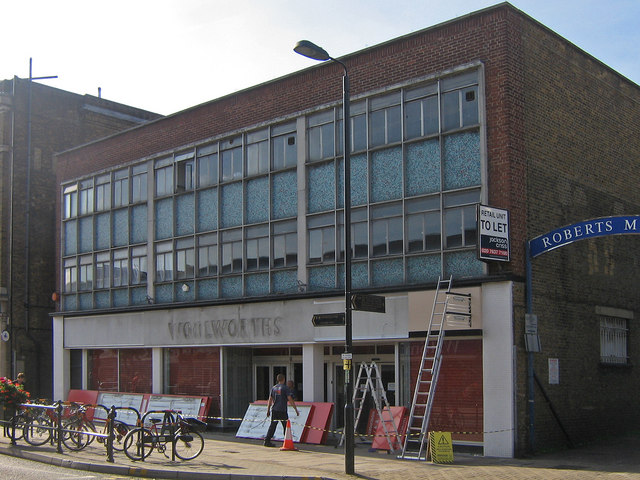
London’s high streets, once defined by their rows of shops, are in the midst of a significant evolution. The familiar cadence of retail commerce is being reshaped by a confluence of economic pressures, changing consumer habits, and a growing recognition of the need for more diverse, community-oriented urban spaces. This shift is not merely about adapting to the online retail boom; it represents a fundamental rethinking of what a high street can and should be in the 21st century.
The traditional model of the high street, heavily reliant on brick-and-mortar retail, has been under strain for years. The rise of e-commerce, coupled with economic uncertainties and changing lifestyle preferences, has led to increased vacancies and a decline in footfall for many retail-focused areas. However, this challenge is also an opportunity. As retail spaces become less dominant, London’s high streets are increasingly being reimagined as multi-functional hubs that integrate living, working, leisure, and community activities. This column will delve into the driving forces behind this transformation, explore the emerging models, and consider the implications for the future of London’s urban fabric.
Why It Matters
The vitality of London’s high streets is intrinsically linked to the health and well-being of its communities. These spaces have historically served as social and economic centres, fostering local economies, providing employment, and acting as crucial points of social interaction. A thriving high street contributes to a sense of place, enhances local distinctiveness, and supports the overall liveability of neighbourhoods. Conversely, declining high streets can lead to social isolation, economic deprivation, and a diminished quality of urban life. The current transformation, therefore, is not just an economic adjustment but a critical step in ensuring that London’s neighbourhoods remain vibrant and resilient. Understanding these changes is vital for policymakers, developers, local businesses, and residents alike, as it shapes the future character and functionality of our cities.
What Sources Show
Evidence from various sources highlights the multifaceted nature of this high street evolution. A report by the London Mayor’s Office, for instance, has identified a trend towards “15-minute city” concepts, where essential services and amenities are accessible within a short walk or cycle. This aligns with the repurposing of retail units for diverse uses, including community centres, co-working spaces, and artisanal food producers.
Transport for London (TfL) data, while primarily focused on transport, indirectly reflects changing high street dynamics. Shifts in travel patterns and increased demand for local amenities suggest a move away from purely commuter-driven, central London destinations towards more neighbourhood-centric activity. Studies from urban planning research groups echo this, noting the rise of “experiential retail” and the importance of high streets as places for socialisation and cultural engagement, rather than just transactional shopping.
Furthermore, planning committee papers from various London boroughs reveal numerous applications for changes of use for retail premises. These range from converting former shops into residential units to establishing pop-up markets and creative hubs. This on-the-ground evidence from official sources corroborates the broader trend of diversification. Publications from specialist urbanism media outlets often showcase innovative examples from both London and other global cities, illustrating how high streets are incorporating green spaces, public art, and flexible community event areas.
Competing Readings
While the overall trend points towards diversification, there are differing perspectives on the pace and ultimate outcome of this transformation. Some urban commentators express concern that the decline of traditional retail could lead to a loss of economic dynamism and a reduction in the tax base for local authorities. They argue that while alternative uses are important, they may not generate the same level of economic activity or employment as a robust retail sector.
Conversely, proponents of the diversified high street model argue that this evolution is a necessary adaptation to a changing world. They emphasise the potential for new economic models that are more sustainable and community-focused. The focus shifts from pure consumption to creation, experience, and social connection. This reading suggests that the future high street will be a more resilient ecosystem, less vulnerable to the shocks that can impact single-sector economies.
Another reading suggests that the success of diversification will vary significantly across London. While some well-resourced neighbourhoods might readily embrace new models, others, particularly those with a weaker existing economic base, could struggle to attract the necessary investment and community engagement to reinvent their high streets. This perspective highlights the potential for an uneven spatial distribution of this urban renaissance.
What Remains Unclear
Despite the clear direction of change, several aspects of London’s high street future remain subject to ongoing development and uncertainty. The long-term economic viability of non-retail uses is still being tested. For instance, while co-working spaces and community hubs are growing in popularity, their capacity to sustain themselves without significant public subsidy or a robust private rental market is not yet fully established.
The precise balance between residential, commercial, and community uses is also largely undefined and will likely be a subject of intense local negotiation and policy development. How to ensure that new developments enhance rather than detract from the character of existing neighbourhoods is a key question.
Furthermore, the impact of these changes on local employment patterns requires further examination. While new uses may create jobs, the nature, quality, and accessibility of these roles may differ significantly from those in traditional retail. The potential for increased gentrification and displacement of long-standing community businesses as rents rise in more desirable, diversified high streets is another area that warrants close monitoring.
Practical Checks
For residents and local stakeholders interested in the future of their own high streets, several practical steps can be taken:
| Area of Focus | Actionable Check | Potential Outcome |
|---|---|---|
| Vacancy Rates | Monitor the number of vacant commercial units on your local high street. | Identify areas of decline or potential for new initiatives. |
| Planning Applications | Review local borough planning portals for proposed changes of use for retail spaces. | Understand specific development plans and their potential impact. |
| Community Engagement | Participate in local consultations or join neighbourhood forums discussing high street futures. | Influence local planning decisions and contribute to shaping the high street. |
| Business Diversity | Observe the types of new businesses opening and the range of services offered. | Gauge the success of diversification efforts and identify emerging trends. |
| Public Space Usage | Note how public spaces on the high street are being used for events or socialising. | Assess the high street’s role as a community hub beyond commercial activity. |
The transformation of London’s high streets is an ongoing narrative, one that holds significant implications for the city’s future. By understanding the forces at play, the evidence emerging, and the questions that remain, we can better navigate this evolution and work towards creating urban centres that are not only economically vibrant but also socially inclusive and resilient. The future of the high street is not just about what we sell, but about how we live, connect, and thrive together.
Related updates

Seattle-Area Race Highlights Diverging Approaches to Housing, Transit and Tech Taxation
A Washington State legislative race in the 32nd District pits incrementalism against urgency on housing supply, transit funding and tech regulation, with…
Read update
New York court ruling on sanctuary policies carries implications for city-level immigration enforcement across the US
A federal judge has dismissed the Trump administration’s attempt to override New York City’s restrictions on immigration enforcement cooperation, citing state sovereignty.…
Read update
Automated license plate readers raise privacy, contract and oversight questions for UK cities
A new US-focused analysis of automated license plate recognition cameras highlights contract, privacy and oversight issues that London boroughs and Transport for…
Read update
Oregon’s “fix it first” dilemma: what London’s transport planners can learn from a revolt against megaprojects
Surveys show Oregonians overwhelmingly want existing roads repaired before new megaprojects are funded, and trust in the state’s transport agency has collapsed.…
Read updateWiki relacionada
Transport for London: The Backbone of Transit, Street and Service Reporting
Transport for London (TfL) is the UK’s most comprehensive source for transit data, street management and service-quality reporting. This reference page explains…
Read update
Transport for London: The Backbone of Transit, Street and Service Reporting
Transport for London (TfL) operates the city’s buses, Tube, trams, river services, roads and cycling infrastructure. This reference page explains how TfL…
Read update
Understanding the London Plan: A Guide to the Capital’s Spatial Development Strategy
The London Plan sets the strategic framework for development, housing, transport and the public realm across the capital. This guide explains its…
Read update
Transport for London as a Source for Transit, Street and Service-Quality Reporting
Transport for London is one of the most comprehensive urban data providers in the world. This reference page explains how journalists, planners…
Read update