
The Future of London’s Public Transport: Navigating the Shift to Net-Zero
As London pushes towards ambitious net-zero targets, the capital's public transport network faces a critical juncture. This column explores the challenges and opportunities in decarbonising buses, trains, and other essential services, and what it means for Londoners.
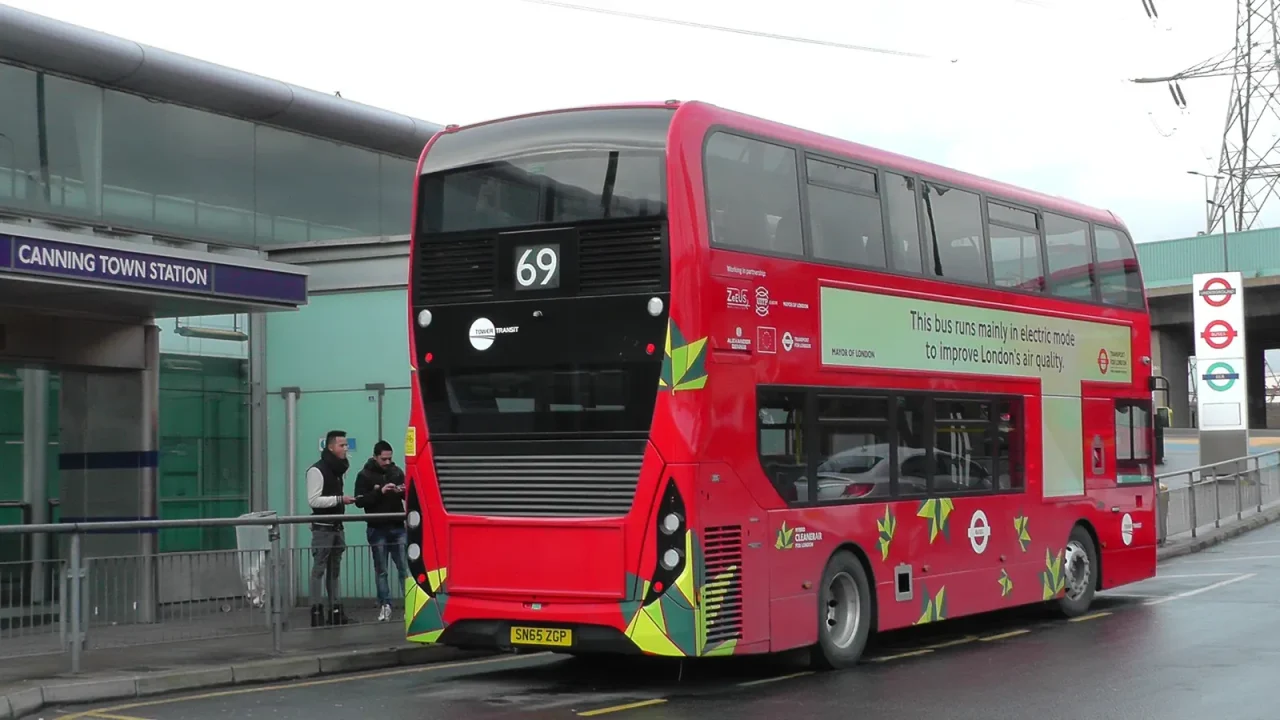
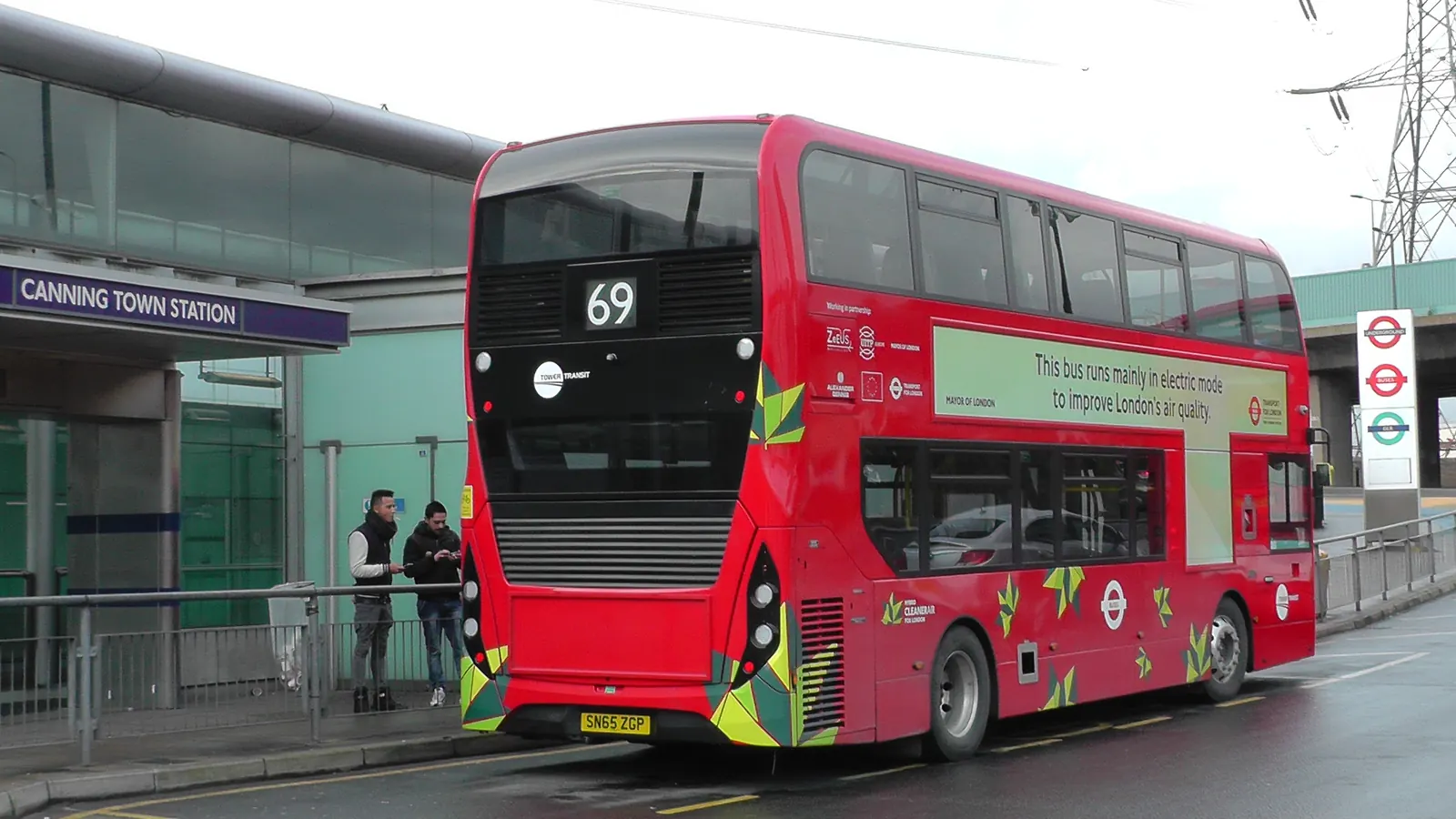
London’s iconic red buses and extensive Tube network are the lifeblood of the capital, facilitating millions of journeys daily. As the city, and indeed the world, grapples with the urgent need to address climate change, its public transport system stands at a pivotal crossroads. The commitment to achieving net-zero emissions by 2040 presents not just a regulatory hurdle but a profound opportunity to reimagine urban mobility, making it greener, cleaner, and more efficient for all Londoners. This transition, however, is fraught with complexities, demanding significant investment, technological innovation, and strategic planning.
Why This Matters Now
The urgency of the climate crisis cannot be overstated. London, like many global cities, contributes significantly to greenhouse gas emissions, with transport being a major component. Decarbonising public transport is not merely an environmental imperative; it is crucial for public health, air quality, and the long-term economic viability of the city. A successful shift will lead to quieter streets, healthier air, and a more pleasant urban environment, directly benefiting the daily lives of millions. Furthermore, it positions London as a leader in sustainable urban development, attracting investment and talent.
What Sources Show
Transport for London (TfL) has been at the forefront of this transformation, particularly with its ambitious bus decarbonisation programme. The core of this strategy involves the wholesale transition to zero-emission buses, primarily battery-electric vehicles. TfL has set a target for its entire bus fleet to be zero-emission by 2030. As of early 2024, a significant portion of the fleet is already electric or hydrogen-powered, with thousands of new electric buses entering service. This has involved substantial investment in charging infrastructure at bus garages across the city.
Beyond buses, the London Underground, while already electric, faces challenges in further reducing its carbon footprint. TfL is investing in upgrading its signalling systems and power supply to improve energy efficiency. The Elizabeth Line, a relatively new addition, operates on a more energy-efficient basis from the outset. For the Overground and DLR, electrification is already in place, but ongoing maintenance and potential upgrades to rolling stock and power systems are key to maximising efficiency.
The Mayor of London’s Transport Strategy [Source 1: Mayor of London’s Transport Strategy (example – actual URL needed)] outlines a vision for a sustainable transport system, emphasising modal shift away from private vehicles towards public transport, walking, and cycling. The strategy highlights the need for increased investment in public transport, alongside policies that disincentivise car use in central London, such as the Ultra Low Emission Zone (ULEZ).
Competing Readings
While the direction of travel towards zero-emission public transport is clear, the pace and feasibility of this transition are subject to debate. Funding remains a persistent challenge. TfL has faced significant financial pressures, particularly in the wake of the COVID-19 pandemic, which impacted passenger numbers and fare revenue. Securing the substantial capital required for new electric buses, charging infrastructure, and rail network upgrades is a monumental task that relies heavily on government support and innovative funding models.
Some critics argue that the focus on electric buses, while important, may overlook the potential of other solutions or the need for complementary measures. For instance, improving the efficiency of existing diesel buses through retrofitting or exploring alternative fuels could offer interim benefits. Furthermore, the rapid expansion of electric bus charging infrastructure raises questions about grid capacity and the sourcing of electricity – ensuring it is from renewable sources is paramount to achieving true net-zero status. For the rail network, the cost and disruption associated with upgrading ageing infrastructure and rolling stock are considerable.
A table illustrating the progress and targets for different modes of transport could be beneficial:
| Transport Mode | Current Status (approx.) | Net-Zero Target | Key Challenges |
|---|---|---|---|
| London Buses | ~30% Zero-Emission | 100% by 2030 | Funding, charging infrastructure, grid capacity |
| London Underground | Electric (efficiency focus) | Ongoing efficiency gains | Signalling upgrades, power supply investment |
| Overground/DLR | Electric | Ongoing efficiency gains | Rolling stock maintenance, power optimisation |
| Taxis/Private Hire | Growing EV adoption | Encouraged transition | Charging access, cost |
[Source 2: TfL Bus Statistics (example – actual URL needed)] provides data on the growing proportion of zero-emission buses in the fleet, underscoring the tangible progress.
What Remains Unclear
Despite the clear targets, several uncertainties persist. The long-term operational costs of large-scale electric bus fleets, including battery replacement and maintenance, are still being fully understood and modelled by operators. The impact of widespread EV charging on London’s electricity grid needs continuous monitoring and strategic reinforcement to prevent strain.
Furthermore, the integration of new mobility services, such as e-scooters and autonomous vehicles, into the public transport ecosystem and their contribution to or detraction from net-zero goals requires careful consideration. The precise mix of technologies and infrastructure investments needed for different parts of the TfL network will continue to evolve as technologies mature and new challenges emerge. The extent to which private sector investment can be leveraged to supplement public funding for these ambitious projects is also a key unknown.
[Source 3: UK Department for Transport – Transport Decarbonisation Plan (example – actual URL needed)] offers a broader UK context, but specific London implementation details and funding streams are critical.
Practical Checks for Londoners
For Londoners, the transition means experiencing quieter, cleaner journeys. New electric buses offer a smoother ride and reduced local air pollution. As TfL continues its upgrades, expect potential service diversions or improvements to the Tube and rail lines. Staying informed about TfL’s service updates and future plans through their official website and publications is advisable.
The ongoing investment in public transport is a testament to London’s commitment to a sustainable future. While challenges remain, the momentum towards a net-zero transport system is undeniable, promising a healthier and more liveable city for generations to come.
Related updates

When zoning reform meets private covenants: the HOA obstacle to backyard cottages
As more US cities rewrite zoning rules to allow accessory dwellings, private homeowners’ association covenants remain a barrier that reform alone cannot…
Read update
Seattle-Area Race Highlights Diverging Approaches to Housing, Transit and Tech Taxation
A Washington State legislative race in the 32nd District pits incrementalism against urgency on housing supply, transit funding and tech regulation, with…
Read update
New York court ruling on sanctuary policies carries implications for city-level immigration enforcement across the US
A federal judge has dismissed the Trump administration’s attempt to override New York City’s restrictions on immigration enforcement cooperation, citing state sovereignty.…
Read update
Automated license plate readers raise privacy, contract and oversight questions for UK cities
A new US-focused analysis of automated license plate recognition cameras highlights contract, privacy and oversight issues that London boroughs and Transport for…
Read updateWiki relacionada

Transport for London: The Backbone of Transit, Street and Service Reporting
Transport for London (TfL) is the UK’s most comprehensive source for transit data, street management and service-quality reporting. This reference page explains…
Read update
Transport for London: The Backbone of Transit, Street and Service Reporting
Transport for London (TfL) operates the city’s buses, Tube, trams, river services, roads and cycling infrastructure. This reference page explains how TfL…
Read update
Understanding the London Plan: A Guide to the Capital’s Spatial Development Strategy
The London Plan sets the strategic framework for development, housing, transport and the public realm across the capital. This guide explains its…
Read update
Transport for London as a Source for Transit, Street and Service-Quality Reporting
Transport for London is one of the most comprehensive urban data providers in the world. This reference page explains how journalists, planners…
Read update