
The Future of London’s Public Realm: Balancing Pedestrianisation and Accessibility
An in-depth analysis of the evolving landscape of London's public realm, exploring the complex interplay between pedestrianisation initiatives and the critical need for universal accessibility.
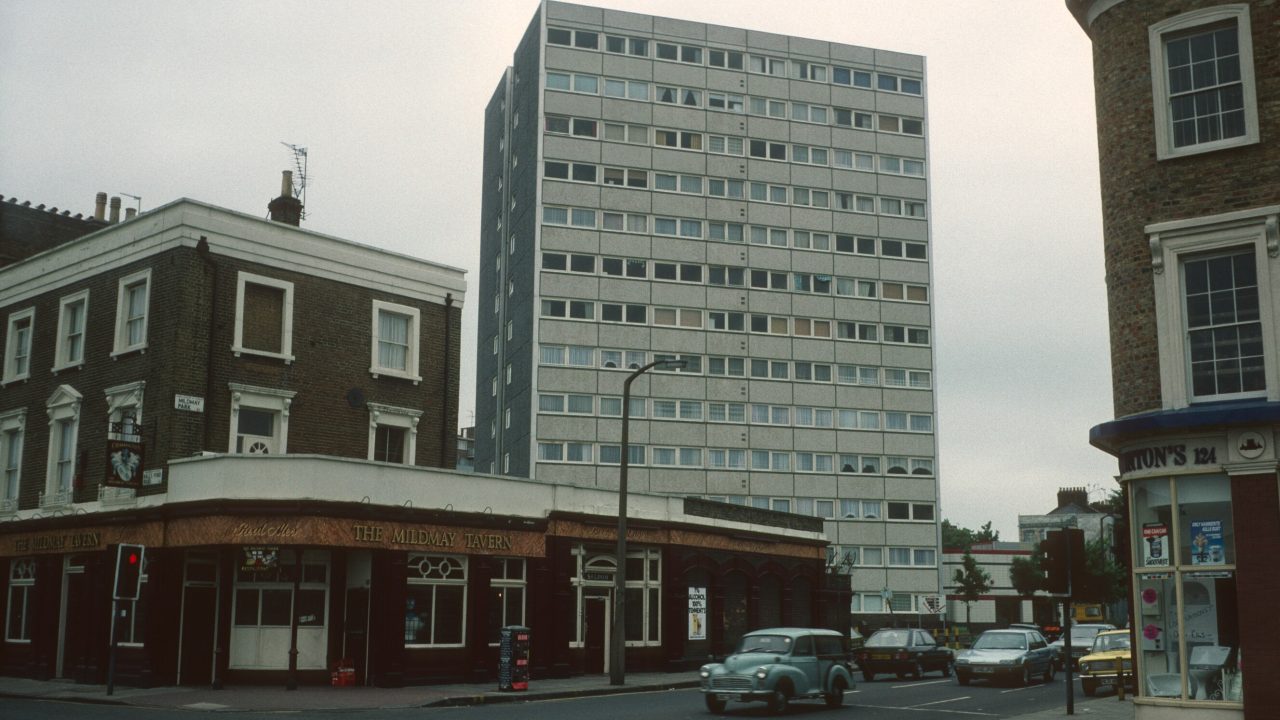
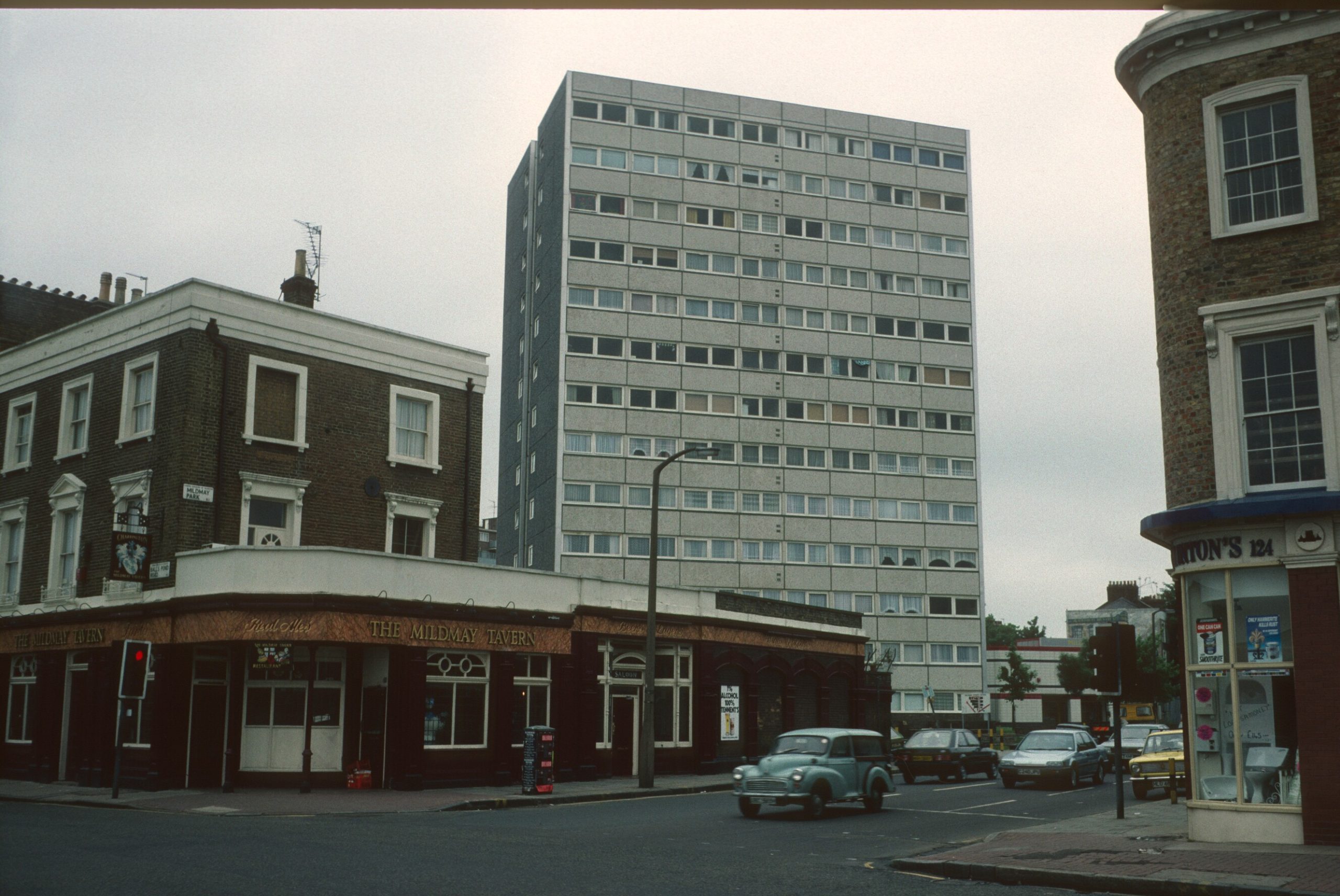
| by Miles Glendinning | openverse | by
London’s public realm is undergoing a significant transformation. Driven by a desire for more vibrant, people-centric urban environments, cities across the globe, including our own capital, are increasingly embracing pedestrianisation. This shift aims to reclaim streets from vehicular dominance, fostering more social interaction, supporting local businesses, and improving air quality. However, as we champion these new pedestrian zones, a crucial question arises: how do we ensure these evolving public spaces remain truly inclusive and accessible to everyone, regardless of their mobility needs or disabilities? This column delves into the intricate balance required to achieve both ambitious pedestrianisation goals and unwavering accessibility commitments in London.
Why This Matters
The expansion of pedestrianised areas is not merely an aesthetic improvement; it’s a fundamental re-evaluation of urban space. For decades, the car has been king, shaping our cities around traffic flow and parking. Now, there’s a growing recognition that streets can and should serve a broader purpose – as places for socialising, recreation, and community. Initiatives like the expansion of Low Traffic Neighbourhoods (LTNs), the creation of new pedestrian zones in central London, and the ongoing reimagining of high streets all speak to this burgeoning movement.
However, the benefits of these changes risk being undermined if they inadvertently exclude significant portions of the population. For individuals with mobility impairments, parents with prams, the elderly, and those with temporary injuries, an inaccessible public realm can mean the difference between vibrant participation in city life and frustrating isolation. Ensuring that pedestrianisation efforts are intrinsically linked with robust accessibility provisions is therefore not just a matter of compliance, but a moral and social imperative for a truly equitable city.
What Sources Show
Evidence from London’s own initiatives and broader urban planning discourse highlights the dual nature of this challenge. Transport for London (TfL) has long been a proponent of improving accessibility, with detailed strategies and standards for public transport and street design. Their commitment to the Mayor’s Transport Strategy includes a vision for a more accessible and inclusive London. For instance, TfL’s guidance on accessible public spaces and their ongoing work with disability advocacy groups provide a strong foundation.
However, the implementation of pedestrianisation schemes can reveal practical difficulties. Reports and case studies from various London boroughs, while often celebrating the positive impacts of reduced traffic, also sometimes touch upon the challenges of ensuring clear, unobstructed pathways and adequate resting points. For example, while schemes aim to create wider pavements and more pedestrian-friendly crossings, the design and implementation must be meticulous to avoid creating new barriers. A consultation on a new pedestrian zone might reveal concerns from disability groups about the placement of street furniture, the gradient of ramps, or the provision of accessible public toilets.
Furthermore, specialist urbanism publications frequently feature discussions on “tactical urbanism” and temporary pedestrianisation schemes. While these can be valuable for testing ideas, they sometimes lack the long-term planning and investment needed to ensure permanent accessibility standards are met from the outset. The need for co-design and continuous engagement with disabled people and their organisations is a recurring theme in best practice guides.
Competing Readings
There are several ways to interpret the current trajectory of London’s public realm development. One perspective, often championed by active travel and environmental groups, focuses on the urgent need to reduce car dependence and create car-free or car-limited zones to combat climate change and improve public health. From this viewpoint, any delay or compromise on pedestrianisation due to accessibility concerns could be seen as an impediment to achieving these vital goals. They might argue that technology and innovative design can overcome most accessibility challenges, and that the primary focus should remain on maximising pedestrian space.
Another reading, put forth by disability rights advocates and accessibility consultants, stresses that “accessibility” should not be an afterthought but a foundational principle. They argue that truly inclusive design means that a space is usable by all people, to the greatest extent possible, without the need for adaptation or specialised design. This perspective would advocate for a slower, more considered approach to pedestrianisation, ensuring that every new scheme is rigorously assessed for its impact on accessibility from the very beginning, involving disabled users in the planning and design process.
A third viewpoint acknowledges the validity of both concerns but highlights the practical and financial constraints. This perspective suggests that achieving perfect pedestrianisation and universal accessibility simultaneously might require significant investment in redesign and infrastructure upgrades. It calls for pragmatic solutions, such as phased implementation, prioritising key routes, and exploring a range of mobility solutions, including accessible public transport links to the edge of pedestrian zones.
What Remains Unclear
Despite the growing body of work in this area, several aspects remain to be fully clarified. The long-term impact of large-scale, permanent pedestrianisation on the accessibility of essential services for those with mobility impairments is not yet fully understood. How will deliveries to shops and services be managed in a way that is both efficient and accessible? While temporary solutions exist, the permanent infrastructure required for diverse needs is a significant undertaking.
Additionally, the integration of different modes of transport within or around pedestrianised zones needs further exploration. While cycling is often encouraged, ensuring that cyclists do not pose a hazard to pedestrians, particularly those with visual impairments, requires careful design and regulation. The “last mile” problem for individuals who cannot walk long distances, even within a pedestrian zone, also requires innovative solutions.
Finally, the efficacy of current consultation processes in truly embedding the needs of disabled users into the final design of public spaces is an ongoing question. Are consultations merely a box-ticking exercise, or do they genuinely shape the outcome? Measuring the success of accessibility in new public spaces beyond compliance figures and user feedback is also an area that warrants further development.
Practical Checks for Londoners
As London continues to evolve, residents can play a vital role in ensuring its public spaces are both vibrant and inclusive. Here are a few practical checks and considerations:
- Observe and Report: When using new or altered public spaces, pay attention to the ease of navigation for everyone. Are there clear, unobstructed pathways? Are dropped kerbs well-maintained? Are resting places available? Report any accessibility issues to the relevant borough council or TfL.
- Engage with Consultations: When local authorities launch consultations for new public realm projects or pedestrianisation schemes, make your voice heard. Specifically, advocate for robust accessibility provisions.
- Support Accessible Businesses: Choose to patronise businesses located in well-designed, accessible public spaces. This sends a clear market signal that accessibility is valued.
- Educate Yourself and Others: Understand the principles of inclusive design and universal accessibility. Share information and advocate for these principles within your community.
The journey towards a more pedestrian-friendly and universally accessible London is a complex but vital one. By fostering open dialogue, prioritising inclusive design from the outset, and continuously evaluating our progress, we can ensure that London’s public realm truly serves all its citizens, creating a more equitable, enjoyable, and sustainable city for generations to come.
| Aspect | Pedestrianisation Focus | Accessibility Focus | Potential Synergy |
|---|---|---|---|
| Primary Goal | Reduce vehicle traffic, create vibrant public spaces. | Ensure usability for all, regardless of ability. | Creating people-centric spaces that are welcoming and functional for everyone. |
| Design Emphasis | Openness, flow, social interaction, reduced noise/pollution. | Clear circulation, tactile paving, ramps, seating, accessible facilities. | Integrated design where open spaces incorporate accessible features seamlessly. |
| Potential Conflict | Overcrowding, exclusion of those with mobility needs. | Slower implementation, potential limitations on density. | Careful planning, phased development, and inclusive co-design processes. |
| Success Metric | Footfall, social activity, reduced car use. | User satisfaction, ease of navigation, incident rates. | High satisfaction across all user groups, thriving community activity. |
| Key Stakeholders | Residents, businesses, environmental groups, cyclists. | Disabled people, elderly, parents with young children, carers. | All of the above, with strong representation from accessibility groups. |
Related updates

Seattle-Area Race Highlights Diverging Approaches to Housing, Transit and Tech Taxation
A Washington State legislative race in the 32nd District pits incrementalism against urgency on housing supply, transit funding and tech regulation, with…
Read update
New York court ruling on sanctuary policies carries implications for city-level immigration enforcement across the US
A federal judge has dismissed the Trump administration’s attempt to override New York City’s restrictions on immigration enforcement cooperation, citing state sovereignty.…
Read update
Automated license plate readers raise privacy, contract and oversight questions for UK cities
A new US-focused analysis of automated license plate recognition cameras highlights contract, privacy and oversight issues that London boroughs and Transport for…
Read update
Oregon’s “fix it first” dilemma: what London’s transport planners can learn from a revolt against megaprojects
Surveys show Oregonians overwhelmingly want existing roads repaired before new megaprojects are funded, and trust in the state’s transport agency has collapsed.…
Read updateWiki relacionada
Transport for London: The Backbone of Transit, Street and Service Reporting
Transport for London (TfL) is the UK’s most comprehensive source for transit data, street management and service-quality reporting. This reference page explains…
Read update
Transport for London: The Backbone of Transit, Street and Service Reporting
Transport for London (TfL) operates the city’s buses, Tube, trams, river services, roads and cycling infrastructure. This reference page explains how TfL…
Read update
Understanding the London Plan: A Guide to the Capital’s Spatial Development Strategy
The London Plan sets the strategic framework for development, housing, transport and the public realm across the capital. This guide explains its…
Read update
Transport for London as a Source for Transit, Street and Service-Quality Reporting
Transport for London is one of the most comprehensive urban data providers in the world. This reference page explains how journalists, planners…
Read update