
Transport for London: A Key Resource for Urban Insights
Discover how Transport for London (TfL) serves as an invaluable source for understanding London's transit networks, streetscapes, and service quality, offering data and insights for urban planners and residents alike.
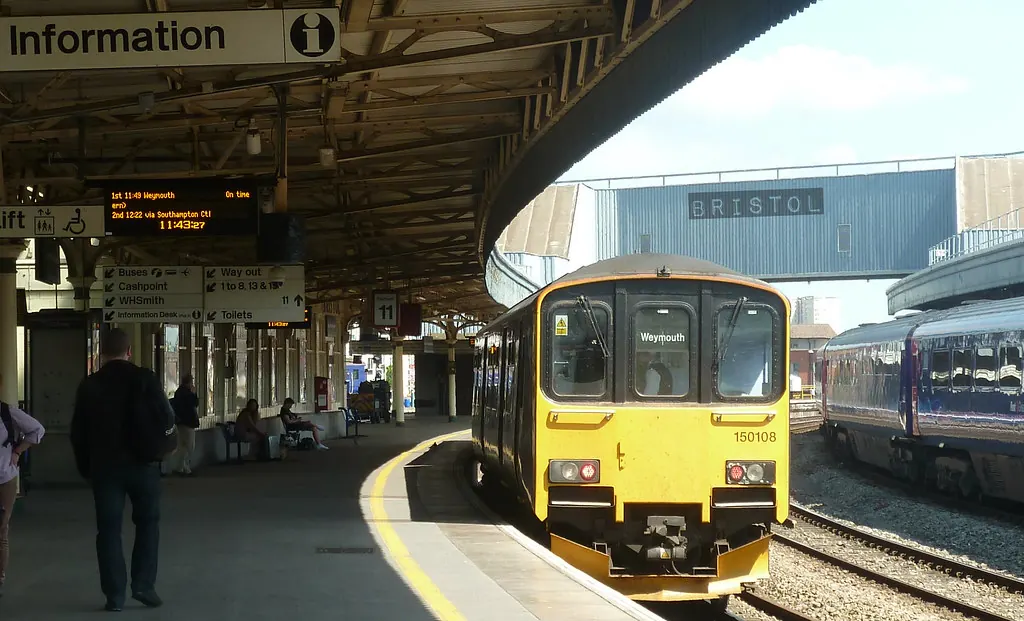
Transport for London: A Key Resource for Urban Insights
Transport for London (TfL) is the integrated body responsible for the day-to-day running of the majority of London’s public transport network. Beyond its operational role, TfL serves as a crucial and authoritative source of information for anyone interested in the city’s urban fabric. From the intricate workings of its vast transit systems to the condition of its streets and the quality of its public services, TfL provides data and reports that are indispensable for urban planners, researchers, journalists, and engaged citizens.
Understanding London’s Transit Network
TfL manages an extensive and diverse transport network, encompassing the London Underground (the Tube), London Buses, Overground, Docklands Light Railway (DLR), TfL Rail, trams, and the iconic Santander Cycles. The organisation publishes a wealth of information about these services, including routes, timetables, performance statistics, and planned developments.
For those seeking to understand the flow of people across the city, TfL’s data on passenger numbers, journey times, and network capacity is invaluable. This information provides a granular view of urban mobility patterns and can inform decisions about infrastructure investment, service improvements, and policy development. The official TfL website is the primary portal for accessing this operational information.
Street and Public Realm Reporting
While primarily focused on transport, TfL also plays a significant role in the management and reporting of London’s streets and public realm, particularly those within its remit as a highway authority for certain key routes. This includes information on road closures, traffic conditions, and the implementation of cycling infrastructure.
The organisation’s commitment to improving the public realm extends to initiatives aimed at creating safer, more accessible, and more pleasant environments for pedestrians and cyclists. Reports and data related to these initiatives can offer insights into the city’s streetscape quality and ongoing transformation efforts.
Service Quality and Performance Monitoring
A key function of TfL is the continuous monitoring and reporting of service quality across its network. This includes data on punctuality, reliability, customer satisfaction, and accessibility. These performance metrics are vital for assessing the effectiveness of the transport system and identifying areas for improvement.
TfL regularly publishes performance reports that detail how its services are meeting targets. For urban observers, these reports offer a direct look at the operational health of London’s transport and can highlight trends in public service delivery. Understanding these quality indicators is essential for evaluating the user experience and the overall efficiency of the city’s mobility infrastructure.
Accessing TfL Open Data
For more in-depth analysis and custom research, TfL offers a comprehensive Open Data platform. This resource provides access to a vast array of datasets, enabling developers, researchers, and data enthusiasts to build applications, conduct studies, and gain deeper insights into London’s transport system.
The TfL Open Data portal is a treasure trove for anyone looking to analyse specific aspects of London’s urban environment. Datasets cover areas such as:
| Data Category | Description | Example Datasets |
|---|---|---|
| Service Performance | Real-time and historical data on service punctuality and reliability. | Tube performance, Bus punctuality |
| Station Information | Details on stations, including accessibility features and locations. | Station entrances, accessibility information |
| Crowding Levels | Data indicating how busy different parts of the network are. | Tube crowding, bus passenger numbers |
| Cycling and Walking | Information related to cycling infrastructure and pedestrian movement. | Santander Cycles usage, cycle lane data |
| Traffic and Road Data | Data on traffic flows, road conditions, and incident reports. | Traffic speeds, road network information |
The TfL Open Data platform is continuously updated, reflecting the dynamic nature of London’s transport network. Users are encouraged to explore the platform to find data relevant to their specific interests, whether it’s analysing the impact of new infrastructure, understanding commuter behaviour, or assessing the accessibility of public spaces.
Planning and Future Developments
TfL is not only responsible for the current state of London’s transport but also for its future development. The organisation publishes strategic plans, consultation documents, and feasibility studies related to major infrastructure projects and policy changes. These documents offer a forward-looking perspective on how London’s urban landscape is set to evolve.
Information on upcoming projects, such as new rail lines, cycle superhighways, or improvements to major transport hubs, is crucial for understanding the long-term trajectory of the city’s development. These insights are vital for stakeholders involved in urban planning, real estate, and economic development.
Sources and Limits
This reference page draws its information from the official publications and data made available by Transport for London. For the most current and detailed information, readers are strongly encouraged to consult the following official sources:
- Transport for London: https://tfl.gov.uk/
- TfL Open Data: https://tfl.gov.uk/info-for/open-data-users/
It is important to note that information regarding specific project timelines, funding, policy details, and operational statistics can change. Readers should always verify such details directly on the official TfL websites. This page serves as a guide to TfL as a source, not as a substitute for direct consultation of its authoritative resources.
Fuentes
- [{"name": "Transport for London", "url": "https://tfl.gov.uk/"}, {"name": "TfL Open Data", "url": "https://tfl.gov.uk/info-for/open-data-users/"}]
Historial de cambios
Ultima revision y actualizacion: 13 June 2026.
Latest related updates
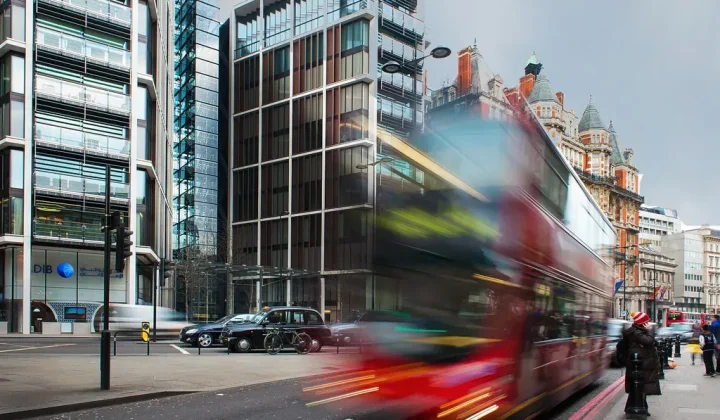
Designing London’s Public Spaces for a Resilient Future
As London confronts the increasing impacts of climate change, its vital public spaces – from bustling squares to green parks – are…
Read update
Chicago Urbanism Debates Intensify After Cyclist Fatality and Official’s Controversial Remarks
A tragic cycling death in Chicago has ignited a fierce debate over street safety and political rhetoric, highlighting divisions among city officials…
Read update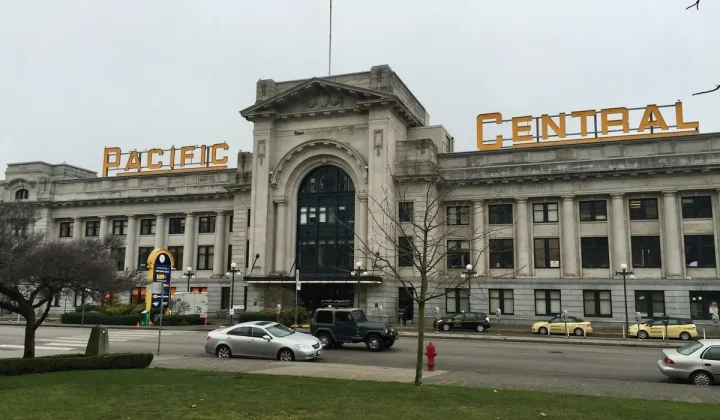
Amtrak Cascades Boosts Vancouver-Seattle Travel Time with Border Preclearance
New US customs screening at Vancouver's Pacific Central Station slashes journey times by at least 10 minutes, with further reductions anticipated as…
Read update
SoFi Stadium Workers Secure Historic Contract Ahead of World Cup 2026
A potential strike at SoFi Stadium has been averted, with workers securing a new contract that includes significant wage increases, enhanced job…
Read update