
Transport for London: A Comprehensive Resource for Urban Insights
Discover how Transport for London (TfL) serves as a vital source for data and information on London's transit, streetscapes, and service quality, crucial for urban planning and reporting.
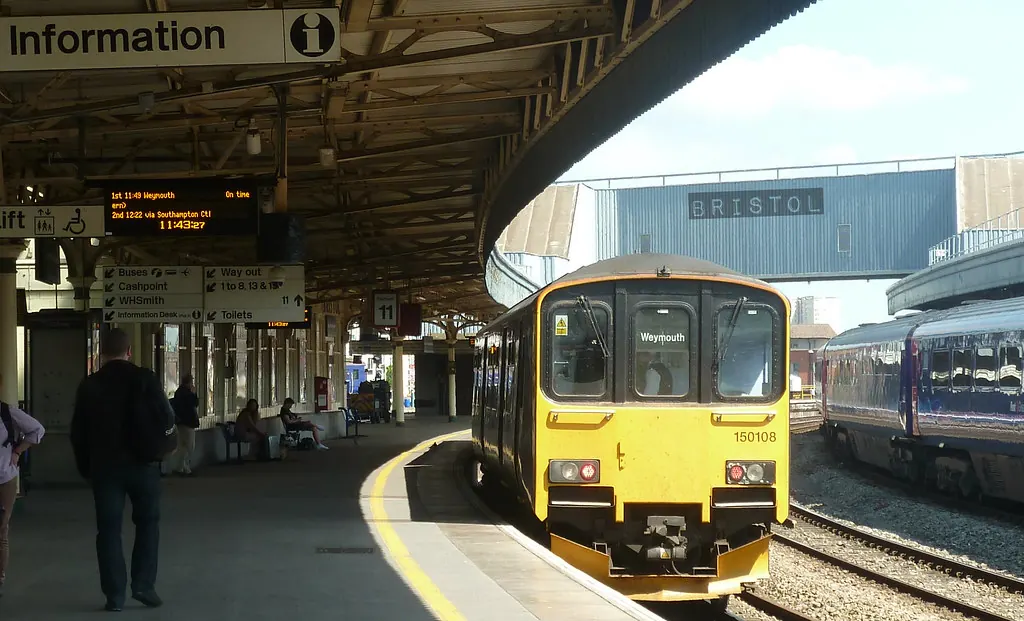
Transport for London (TfL) is the integrated body responsible for London’s public transport network and managing most of the city’s road network. Beyond its operational role, TfL functions as an invaluable source of data and insights for anyone interested in the city’s urban fabric, from transit performance and street conditions to the quality of public services. For urban planners, researchers, journalists, and engaged citizens, understanding and utilising TfL’s resources can provide a granular view of how London moves and functions.
TfL’s remit encompasses a vast array of services, including the Underground, Overground, buses, trams, Docklands Light Railway (DLR), London Buses, and the Elizabeth line. It also manages major road schemes, regulates taxis and private hire vehicles, and oversees cycling infrastructure. This comprehensive oversight means TfL collects extensive data across multiple domains, making it a primary reference point for reporting on urban development, transportation trends, and the lived experience of Londoners.
Transit Performance and Service Reporting
For reporting on the efficiency and reliability of London’s public transport, TfL is the definitive source. The organisation publishes a wealth of performance data, which can be used to assess service quality, identify areas for improvement, and understand passenger experiences. This includes data on:
- Service Punctuality and Reliability: Information on how often services run on time, delays, and cancellations across different modes of transport.
- Passenger Numbers and Demand: Statistics on passenger journeys, peak travel times, and mode share, offering insights into travel patterns and demand management.
- Customer Satisfaction: While not always directly published as raw data, TfL’s strategic reports and public communications often reflect customer feedback and satisfaction levels, which can be a basis for qualitative reporting.
This data is crucial for understanding the operational health of the transport network and for evaluating the impact of infrastructure projects or policy changes on daily commutes.
Street and Road Network Insights
TfL’s responsibility for managing London’s road network, including the Transport for London Road Network (TLRN), provides a unique vantage point for understanding street-level dynamics. This includes data and information related to:
- Traffic Congestion and Flow: Information on traffic speeds, congestion hotspots, and journey times on major roads.
- Road Incidents and Safety: Data on traffic accidents, road safety initiatives, and their outcomes.
- Street Environment and Public Realm: While less frequently detailed in raw data sets, TfL’s strategic planning and development documents often touch upon the quality of the street environment, accessibility, and the integration of transport infrastructure with public spaces.
For reporting on urban development, pedestrianisation schemes, cycling infrastructure, or traffic management strategies, TfL’s insights into the road network are indispensable.
TfL Open Data: A Treasure Trove for Analysis
Recognising the value of its data, TfL actively promotes open data access. The TfL Open Data portal is a critical resource for researchers, developers, and analysts looking to conduct in-depth studies or build applications that utilise transport information. This platform provides access to a wide range of datasets, including:
| Dataset Category | Examples of Data Available | Potential Use Cases |
|---|---|---|
| Bus Data | Real-time bus locations, historical journey data, stop information | Route planning, service analysis, congestion impact studies |
| Tube & Rail Data | Station status, line status, historical performance, access data | Real-time travel updates, long-term network planning, accessibility reporting |
| Cycling Data | Santander Cycles usage, cycle hire schemes, cycle counts | Promoting active travel, infrastructure planning, public health research |
| Traffic Data | Traffic speeds, camera locations, incident reports | Urban mobility analysis, traffic management strategy evaluation |
| Fare and Ticketing Data | Oyster and contactless usage, fare structures | Economic impact of transport, passenger behaviour analysis |
Accessing and analysing this open data allows for a more empirical approach to reporting on London’s urbanism. It enables the creation of custom visualisations, the identification of trends, and the substantiation of claims with concrete evidence. For instance, reporting on the effectiveness of a new bus route could be supported by analysing real-time and historical bus data on punctuality and passenger load. Similarly, understanding the impact of cycling infrastructure could be informed by Santander Cycles usage data and cycle count data.
Service Quality and User Experience
Beyond raw performance metrics, TfL’s work also touches upon the broader aspects of service quality and user experience. While direct quantitative data on subjective experiences might be limited in the open data portal, TfL’s corporate publications, accessibility information, and strategic plans provide context. Reporting on:
- Accessibility: Information on step-free access in stations, facilities for passengers with disabilities, and TfL’s commitment to improving accessibility.
- Customer Information Systems: The effectiveness of real-time information displays, journey planners, and communication channels during disruptions.
- Safety and Security: Initiatives and data related to safety on the network, including the presence of staff and security measures.
These elements contribute significantly to the overall perception of service quality and are vital for reporting on the inclusivity and user-friendliness of London’s transport system.
Navigating TfL’s Resources
To effectively use TfL as a source, it’s important to understand where to find the most relevant information. The main TfL website (tfl.gov.uk) serves as the public face, offering news, service updates, travel information, and strategic documents. For data-driven reporting, the TfL Open Data portal (tfl.gov.uk/info-for/open-data-users/) is the primary destination.
When reporting on specific projects, developments, or issues, it is always advisable to cross-reference information with TfL’s official statements and data. Details such as operational status, service changes, or project timelines can be dynamic and are best verified directly through their official channels. TfL’s commitment to transparency through its open data initiatives makes it an indispensable partner for anyone seeking to understand the complexities of urban transport and city life in London.
Sources and Limits
This reference is based on information available from Transport for London and its Open Data portal.
- Transport for London: https://tfl.gov.uk/
- TfL Open Data: https://tfl.gov.uk/info-for/open-data-users/
It is important for readers to consult these official sources directly for the most current and detailed information, as data and service specifics can change. This document serves as a guide to the types of information available and their potential uses in urban reporting.
Fuentes
- [{"name": "Transport for London", "url": "https://tfl.gov.uk/"}, {"name": "TfL Open Data", "url": "https://tfl.gov.uk/info-for/open-data-users/"}]
Historial de cambios
Ultima revision y actualizacion: 12 July 2026.
Latest related updates

Record Campaign Spending in Washington State Prompts Questions About Money in Local Planning Politics
A Seattle specialist outlet reports unprecedented corporate and billionaire spending ahead of the 2026 US midterms, including a Microsoft-backed PAC targeting a…
Read update
Post-storm waste collection is a resilience test London boroughs cannot schedule
A look at how two US cities treated storm debris clearance as a pre-planned system rather than an emergency scramble, and what…
Read update
Chicago’s sewage overflows are a warning for London’s combined sewers
Chicago's Racine Avenue pumping station has discharged more than 10 billion gallons of combined sewage into the Chicago River this year, despite…
Read update
St. Louis bets on conversions and innovation zones for its downtown: the test London has already run
St. Louis is leaning on office-to-residential conversions, innovation zones and private-sector partnerships to revive its urban core. The instruments are familiar in…
Read update