Transport for London: A Comprehensive Guide for Urban Insight
Explore how Transport for London (TfL) serves as a vital source for understanding London's transit networks, streetscape, and service quality, offering valuable data for urbanists, planners, and researchers.
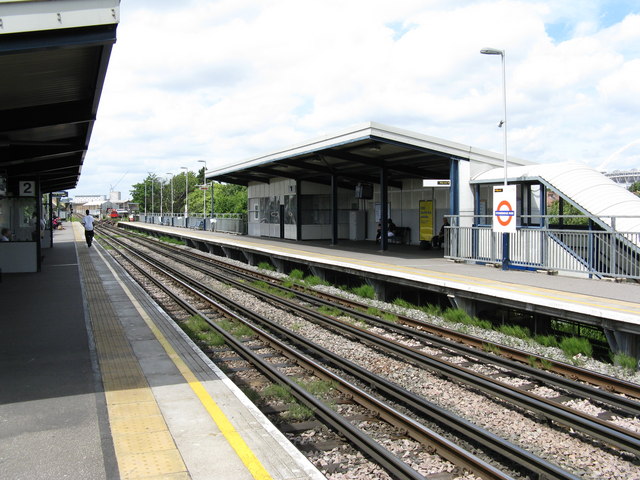
Transport for London: A Vital Resource for Urban Analysis
Transport for London (TfL) is the integrated body responsible for the majority of the transport system in Greater London. For urban planners, researchers, and engaged citizens, TfL represents an invaluable source of data and insights into the city’s intricate network of transit, streets, and the quality of its public services. Its extensive datasets and operational information offer a unique lens through which to examine urban mobility, infrastructure development, and the lived experience of Londoners.
Understanding London’s Transit Network
TfL manages an expansive and diverse transport network, encompassing the London Underground (the Tube), London Buses, London Overground, Docklands Light Railway (DLR), trams, the Elizabeth line, and much of the capital’s road network, including iconic red buses and the cycle hire scheme. This comprehensive oversight allows TfL to provide detailed information on service patterns, operational performance, and infrastructure.
For urbanism professionals, understanding the reach and capacity of these networks is fundamental. TfL’s website offers detailed maps, service updates, and historical performance data that can inform analyses of accessibility, connectivity, and the impact of transport infrastructure on land use and development. Whether studying the ripple effects of a new Tube line or the daily commute patterns of millions, TfL’s published information is a primary reference point.
Streetscape and Public Realm Insights
Beyond the movement of people, TfL also plays a significant role in shaping London’s streetscape. It manages a large proportion of the city’s road network, including major arterial routes and the Congestion Charge zone. This responsibility extends to traffic management, street design initiatives, and the implementation of policies aimed at improving air quality and promoting active travel.
Information on TfL’s road network management, traffic flow data, and initiatives like the Ultra Low Emission Zone (ULEZ) can be crucial for understanding urban environmental strategies and the impact of traffic policies on city life. Urban analysts can leverage TfL’s reports and data to assess the effectiveness of traffic calming measures, the success of pedestrianisation schemes, or the spatial distribution of traffic congestion.
Service Quality and Performance Reporting
A key aspect of urbanism is the quality of public services, and transport is at the forefront of this. TfL is committed to transparency in its service delivery, regularly publishing performance metrics and customer satisfaction surveys. This data provides a tangible measure of how well the transport system is serving its users.
Key performance indicators (KPIs) related to punctuality, reliability, cleanliness, and passenger experience are often made public. For instance, data on Tube delays, bus cancellations, or passenger complaints can highlight areas of concern and inform discussions about service improvements and investment priorities. This granular level of detail is essential for evaluating the day-to-day effectiveness of London’s transport provision.
Leveraging TfL Open Data
For those requiring deeper analytical capabilities, TfL Open Data is an indispensable resource. This platform provides access to a vast array of datasets that can be used for research, development, and innovation. The data spans multiple categories, including:
| Data Category | Description | Potential Use Cases |
|---|---|---|
| Timetables and Schedules | Detailed information on train, bus, and tram times. | Route planning, service analysis, demand forecasting. |
| Real-time Information | Live locations and estimated arrival times for buses and trains. | App development, dynamic journey planning, operational monitoring. |
| Network and Station Data | Geographic information on lines, stations, and infrastructure. | Spatial analysis, accessibility studies, network visualisation. |
| Performance and Usage Statistics | Passenger counts, delay minutes, service reliability metrics. | Service quality assessment, impact analysis of interventions, economic studies. |
| Fare and Ticketing Data | Information related to fare structures and Oyster/contactless usage. | Travel behaviour analysis, economic impact studies, policy evaluation. |
The TfL Open Data portal offers raw data in various formats, empowering users to conduct sophisticated analyses. This can range from developing predictive models for passenger flow to visualising the impact of transport access on property values. It is a fundamental resource for anyone undertaking data-driven urban research in London.
Planning and Future Development
TfL’s strategic planning documents and consultations also offer a forward-looking perspective on London’s transport evolution. These publications outline proposed infrastructure projects, policy changes, and long-term visions for the city’s mobility. Understanding TfL’s strategic direction is crucial for anticipating future development patterns and their implications for urban form and function.
Whether it’s planning for new housing developments that require enhanced public transport links or evaluating the environmental impact of proposed road schemes, TfL’s strategic documents provide the foundational information. They highlight TfL’s role not just as an operator, but as a key architect of London’s future urban landscape.
Sources and Limits
This reference page draws its information from the official publications and data made available by Transport for London.
- Transport for London: https://tfl.gov.uk/
- TfL Open Data: https://tfl.gov.uk/info-for/open-data-users/
It is important for readers to consult these primary sources directly for the most up-to-date information, specific details, and official policy statements. Information regarding service status, project timelines, funding, and regulatory requirements can change and should always be verified on the official TfL websites.
Fuentes
- [{"name": "Transport for London", "url": "https://tfl.gov.uk/"}, {"name": "TfL Open Data", "url": "https://tfl.gov.uk/info-for/open-data-users/"}]
Historial de cambios
Ultima revision y actualizacion: 19 July 2026.
Latest related updates

Record Campaign Spending in Washington State Prompts Questions About Money in Local Planning Politics
A Seattle specialist outlet reports unprecedented corporate and billionaire spending ahead of the 2026 US midterms, including a Microsoft-backed PAC targeting a…
Read update
Post-storm waste collection is a resilience test London boroughs cannot schedule
A look at how two US cities treated storm debris clearance as a pre-planned system rather than an emergency scramble, and what…
Read update
Chicago’s sewage overflows are a warning for London’s combined sewers
Chicago's Racine Avenue pumping station has discharged more than 10 billion gallons of combined sewage into the Chicago River this year, despite…
Read update
St. Louis bets on conversions and innovation zones for its downtown: the test London has already run
St. Louis is leaning on office-to-residential conversions, innovation zones and private-sector partnerships to revive its urban core. The instruments are familiar in…
Read update