Transport for London: A Comprehensive Resource for Urban Transit, Streetscape, and Service Reporting
Discover how Transport for London (TfL) serves as an authoritative source for data and insights into London's integrated transport network, street quality, and public service provision.
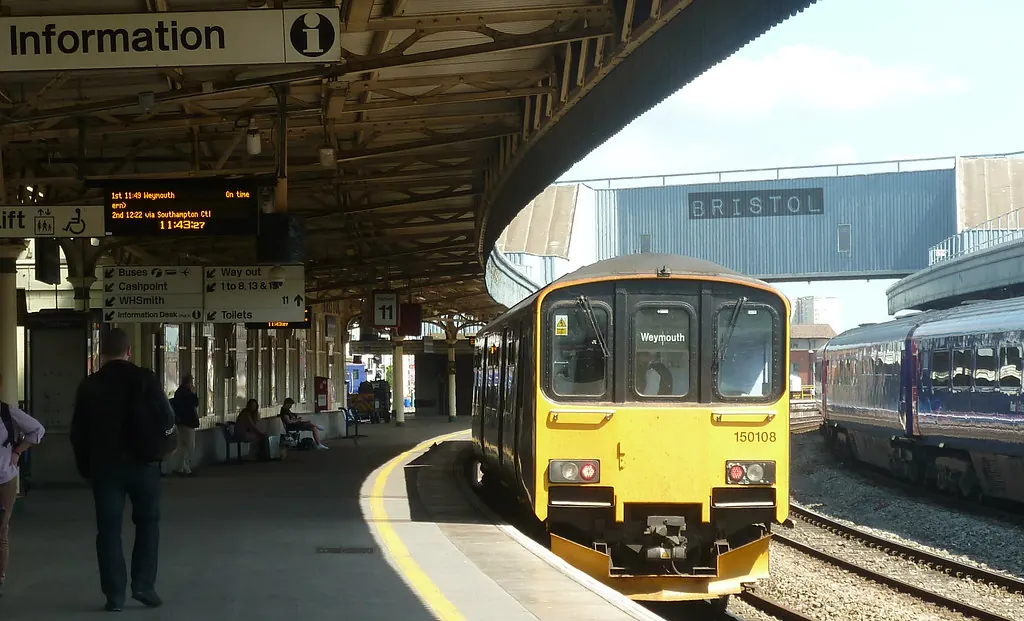
Transport for London (TfL) is the integrated body responsible for the day-to-day running of the transport network across the capital. For urban planners, researchers, journalists, and engaged citizens, TfL represents an invaluable and authoritative source of information on transit operations, street infrastructure, service quality, and the broader urban fabric of London. Understanding how to access and interpret TfL’s data and publications can provide critical insights into the city’s functionality and development.
Understanding TfL’s Role
TfL manages a vast and complex network encompassing the London Underground, London Buses, London Overground, Docklands Light Railway (DLR), trams, the Elizabeth line, and various other services. Beyond the movement of people, TfL also plays a significant role in managing many of London’s streets, including major roads and traffic management systems. This broad remit makes it a central hub for data related to mobility, public realm, and service delivery within the city.
Reporting on Transit Performance
For anyone reporting on the reliability, efficiency, and accessibility of London’s public transport, TfL is the primary source. The organisation publishes a wealth of information on service performance, including:
- Operational Statistics: Data on passenger numbers, journey times, and service frequency across different modes of transport.
- Disruption Information: Real-time updates and historical data on delays, cancellations, and planned engineering works.
- Safety and Security: Reports and statistics related to safety incidents and security measures across the network.
- Accessibility: Information on the accessibility of stations and services for passengers with disabilities.
This information is crucial for understanding the daily experience of millions of Londoners and visitors, and for assessing the effectiveness of transport policy and investment.
Streetscape and Public Realm Insights
While TfL’s primary focus is transit, its responsibilities extend to the management of major roads and traffic systems, offering insights into the capital’s streetscape. TfL’s work on:
- Traffic Management: Data on traffic flow, congestion, and the impact of roadworks.
- Cycling Infrastructure: Information and plans related to cycle superhighways and other dedicated cycling routes.
- Pedestrian Environment: Initiatives and data concerning pedestrian safety and the quality of the walking environment in key areas.
- Street Design Standards: Guidance and policies that influence the design and maintenance of London’s streets.
These aspects are vital for anyone studying urban form, public space, and the interplay between different modes of transport and the built environment.
Service Quality and User Experience
Beyond raw operational data, TfL also provides insights into service quality and user satisfaction. Through customer feedback mechanisms and surveys, TfL gathers data that informs service improvements. This includes:
- Customer Satisfaction Surveys: Regular reports detailing passenger feedback on various aspects of their journey, from cleanliness and staff helpfulness to information provision.
- Complaint Data: Aggregated data on customer complaints, highlighting recurring issues and areas for improvement.
- Public Realm Improvements: Details of TfL’s involvement in projects that enhance the public realm around stations and transport corridors.
Accessing TfL Data Through Open Data
TfL has a strong commitment to open data, making a significant portion of its information publicly accessible through its Open Data portal. This resource is invaluable for developers, researchers, and anyone looking to build applications or conduct in-depth analysis. Key datasets available include:
Travel Demand and Usage
| Dataset Name | Description | Frequency |
|---|---|---|
| Tube/Train Occupancy | Real-time and historical passenger occupancy levels on Tube and Overground | Hourly/Daily |
| Bus Activity | Real-time and historical bus movements, stops, and passenger counts | Real-time/Daily |
| TfL Station Usage | Daily visitor numbers for Tube, Overground, DLR, and rail stations | Daily |
| Hopper Fare Data | Aggregated data on bus and tram journey patterns | Monthly |
Planning and Development Data
The Open Data portal also provides access to information relevant to urban planning and development. This can include data on:
- Network Plans: Future development plans for transport infrastructure.
- Asset Information: Details on various TfL assets, which can inform development feasibility studies.
- Environmental Data: Information related to noise, air quality, and sustainability initiatives.
Researchers and analysts can leverage these datasets to identify trends, model future scenarios, and assess the impact of urban development on the transport network.
Reporting on Service Quality Issues
When reporting on specific service quality issues, whether it’s persistent delays on a particular line, overcrowding on a bus route, or the condition of a street managed by TfL, referring to TfL’s official publications and data is paramount. This ensures accuracy and provides a credible basis for your reporting. For instance, if investigating bus reliability, one would look at TfL’s bus performance statistics. For issues concerning the pedestrian environment around a major station, TfL’s streetscape improvement plans or traffic data would be relevant.
Using TfL as a Source
When using TfL as a source for reporting or analysis, it’s important to:
Consult Official Publications: Start with the main TfL website (tfl.gov.uk) for policy documents, reports, and strategic plans.
2. Explore the Open Data Portal: For granular data, visit the TfL Open Data portal (tfl.gov.uk/info-for/open-data-users/).
3. Check for Updates: Transport networks and data are dynamic. Always check for the most recent information and note the publication date of any data used.
4. Verify Details: For specific project statuses, approvals, funding, or legal requirements, it is always best to refer directly to the official sources or contact TfL for clarification, as these details are subject to change.
By grounding reports and analysis in the comprehensive data and official statements provided by Transport for London, one can achieve a deeper, more accurate understanding of London’s complex urban environment.
Sources and Limits
This reference page draws its information from the following official sources:
- Transport for London (TfL): https://tfl.gov.uk/
- TfL Open Data: https://tfl.gov.uk/info-for/open-data-users/
The information provided is based on the publicly available data and publications from TfL. Specific details regarding future projects, funding allocations, or the precise status of any initiative should always be verified directly with Transport for London through their official channels, as these are subject to change.
Fuentes
- [{"name": "Transport for London", "url": "https://tfl.gov.uk/"}, {"name": "TfL Open Data", "url": "https://tfl.gov.uk/info-for/open-data-users/"}]
Historial de cambios
Ultima revision y actualizacion: 3 July 2026.
Latest related updates

Record Campaign Spending in Washington State Prompts Questions About Money in Local Planning Politics
A Seattle specialist outlet reports unprecedented corporate and billionaire spending ahead of the 2026 US midterms, including a Microsoft-backed PAC targeting a…
Read update
Post-storm waste collection is a resilience test London boroughs cannot schedule
A look at how two US cities treated storm debris clearance as a pre-planned system rather than an emergency scramble, and what…
Read update
Chicago’s sewage overflows are a warning for London’s combined sewers
Chicago's Racine Avenue pumping station has discharged more than 10 billion gallons of combined sewage into the Chicago River this year, despite…
Read update
St. Louis bets on conversions and innovation zones for its downtown: the test London has already run
St. Louis is leaning on office-to-residential conversions, innovation zones and private-sector partnerships to revive its urban core. The instruments are familiar in…
Read update