
The Future of London’s Urban Green Spaces: Balancing Development and Nature
An exploration of the challenges and opportunities in preserving and enhancing London's vital urban green spaces amidst increasing development pressures.
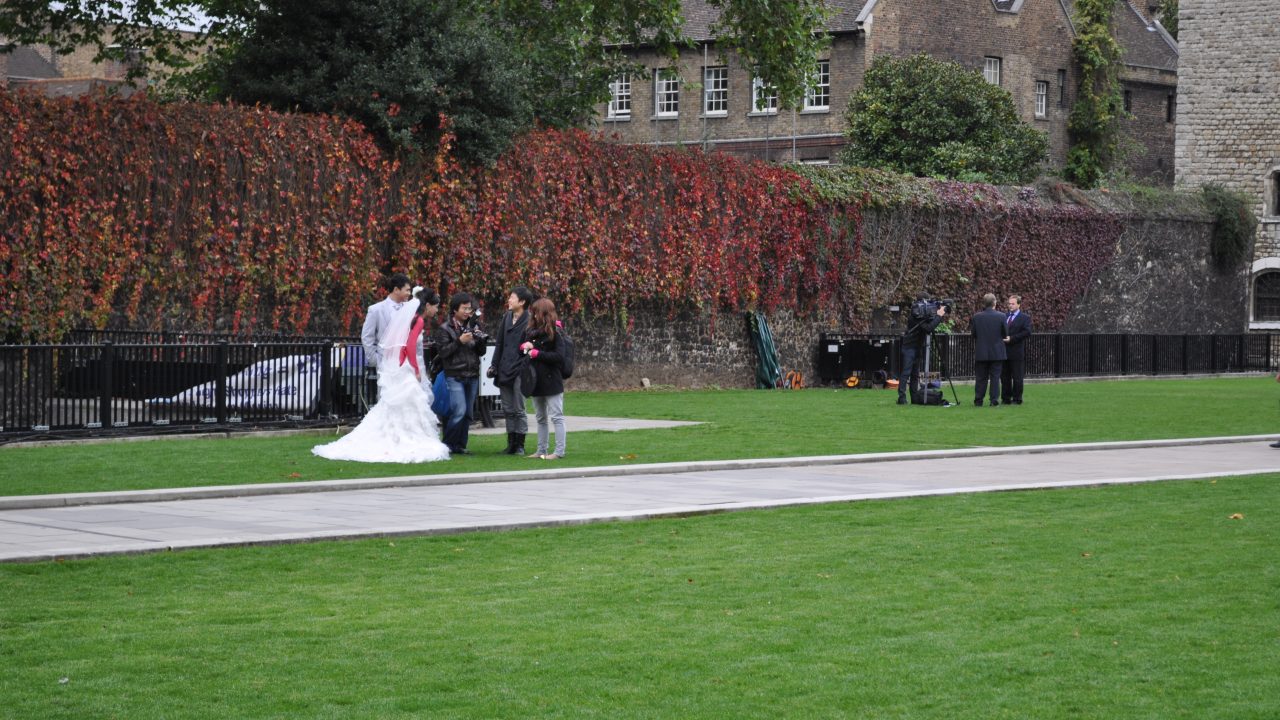
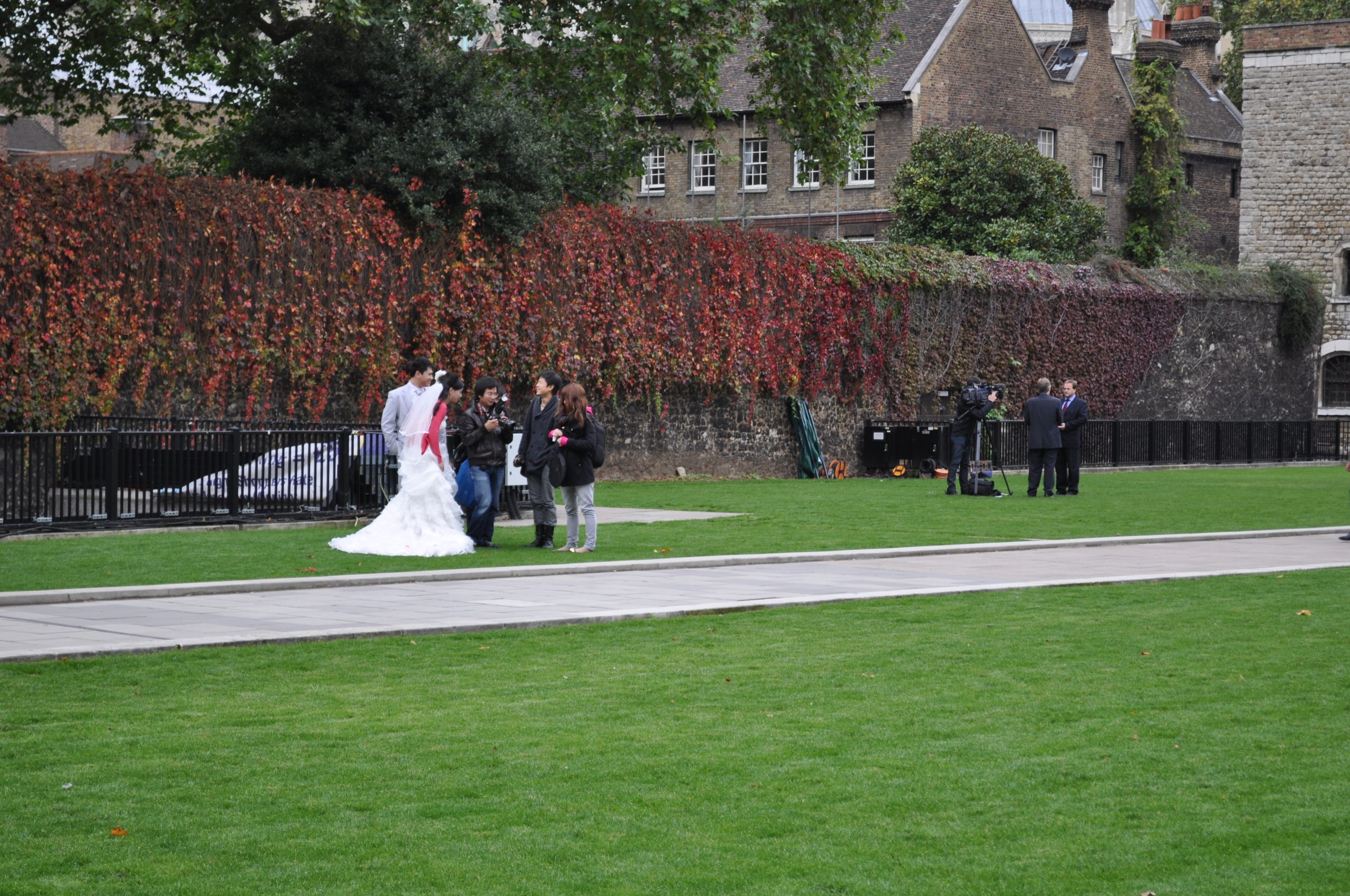
London, a city renowned for its sprawling urban landscape, also boasts an impressive network of green spaces – from grand Royal Parks to pocket community gardens. These areas are not merely aesthetic amenities; they are vital ecological corridors, essential for public health and well-being, and crucial in mitigating the impacts of climate change. However, as London continues to grow and densify, these precious green lungs face unprecedented pressures from development. This column will delve into the complex interplay between urban expansion and the preservation of green infrastructure, examining the challenges, the existing strategies, and the future outlook for London’s natural havens.
Why London’s Green Spaces Matter
The significance of urban green spaces extends far beyond their visual appeal. Ecologically, they support biodiversity, providing habitats for a range of flora and fauna, and acting as crucial stepping stones in fragmented urban ecosystems. For Londoners, these spaces offer invaluable opportunities for recreation, relaxation, and social interaction, contributing significantly to mental and physical health. The benefits are also economic; well-maintained green spaces can increase property values and attract tourism. Crucially, in an era of escalating climate concerns, London’s parks, woodlands, and waterways play a vital role in urban cooling, flood management, and carbon sequestration, making them indispensable components of a resilient city. The Greater London Authority (GLA) recognises this, with its Green Infrastructure Framework aiming to ensure that green infrastructure is integrated into all aspects of London’s development.
What the Sources Show
Official data and policy documents highlight the ongoing tension between development and green space protection. The London Plan, the city’s overarching spatial development strategy, mandates the protection and enhancement of green infrastructure. It sets targets for increasing tree canopy cover and improving access to green spaces for all Londoners. For instance, the London Plan policy SI 7 (Green infrastructure and the natural environment) emphasises the need to protect, improve and expand green infrastructure. (https://www.london.gov.uk/publications/london-plan-2021)
However, the reality on the ground often presents a more challenging picture. Reports from organisations like the London Wildlife Trust frequently highlight the threats posed by development, including habitat loss, fragmentation, and the impact of pollution on urban wildlife. (https://www.londonwildlifetrust.org.uk/our-work/our-campaigns/protecting-wildlife-and-habitats) While the GLA aims to increase the amount of green space, the quality and connectivity of these spaces are also critical. The London Datastore provides a wealth of data on green space provision across the city, allowing for detailed analysis of accessibility and distribution. (https://data.london.gov.uk/dataset/green-space-provision-london) This data can reveal disparities in access, often correlating with socio-economic factors.
Competing Readings of the Situation
There are several ways to interpret the current state of London’s green spaces. One perspective, often put forth by developers and some policy makers, is that necessary trade-offs must be made to accommodate housing and economic growth. They might argue that innovative design can integrate green elements into new developments, such as green roofs and vertical gardens, mitigating the loss of traditional parkland. This view prioritises density and the economic imperative of providing more homes.
Another reading, championed by environmental groups and many residents, is that the current pace and scale of development are fundamentally unsustainable for London’s natural environment. This perspective argues that existing green spaces are already under strain and that any net loss, even with the addition of new ‘green’ features, represents a degradation of the city’s ecological and social capital. They advocate for stronger protections, stricter enforcement, and a greater emphasis on the intrinsic value of nature within the city. A third viewpoint suggests that the issue is not simply about quantity but about the quality and accessibility of green spaces. It argues that even if the total area of green space remains stable, if it becomes less accessible to the majority of Londoners, or if its ecological function is diminished, then the city is still losing valuable assets.
What Remains Unclear
Despite comprehensive policies, several aspects require further clarification and action. The precise impact of cumulative small-scale developments on the overall green infrastructure network is difficult to quantify. While major projects might undergo rigorous environmental impact assessments, the aggregate effect of numerous smaller planning applications on biodiversity and green cover is less clear. Furthermore, the long-term effectiveness of ‘green’ mitigation measures in new developments is still being evaluated. Do green roofs truly compensate for the loss of mature trees or established habitats? The question of funding for the ongoing maintenance and enhancement of existing green spaces is also a persistent challenge. Council budgets are often stretched, and the reliance on volunteer groups, while valuable, cannot fully replace dedicated public funding. Finally, the equitable distribution of high-quality green space across all of London’s boroughs remains an aspiration rather than a consistent reality, and understanding the systemic barriers to achieving this is crucial.
Practical Checks for Londoners
Londoners can actively engage with the future of their green spaces. Firstly, familiarise yourself with your local green spaces and their designated status. Understanding if a park is a designated Local Nature Reserve or a Site of Importance for Nature Conservation can inform your advocacy. Secondly, monitor local planning applications through your borough council’s website. Many applications will have implications for nearby green spaces, whether through direct encroachment or increased pressure. Thirdly, support local conservation groups and park friends organisations. These groups are often at the forefront of protecting and improving local green assets. Finally, engage with consultations on the London Plan and local borough plans. Your input can help shape the policies that govern development and green space protection.
| Aspect | Status | Potential Impact | Actionable Insight |
|---|---|---|---|
| Green Space Quantity | Policy aims for net gain, but development pressure exists. | Loss of existing mature habitats, fragmentation. | Advocate for stricter protection of existing high-value green spaces. |
| Green Space Quality | Variable; some well-maintained, others neglected. | Reduced biodiversity, less appealing for public use. | Support local ‘Friends of’ groups; report maintenance issues to your local council. |
| Accessibility | Uneven distribution across boroughs. | Disproportionate benefit for wealthier areas, less for deprived communities. | Champion initiatives for better public transport links to green spaces. |
| Biodiversity | Declining species in some urban areas. | Reduced ecological resilience, loss of natural heritage. | Support urban rewilding projects and native planting in gardens and public spaces. |
| Climate Resilience | Crucial role in mitigation and adaptation. | Inadequate green infrastructure exacerbates heat island effect and flooding. | Promote tree planting initiatives and sustainable urban drainage systems (SuDS). |
Related updates
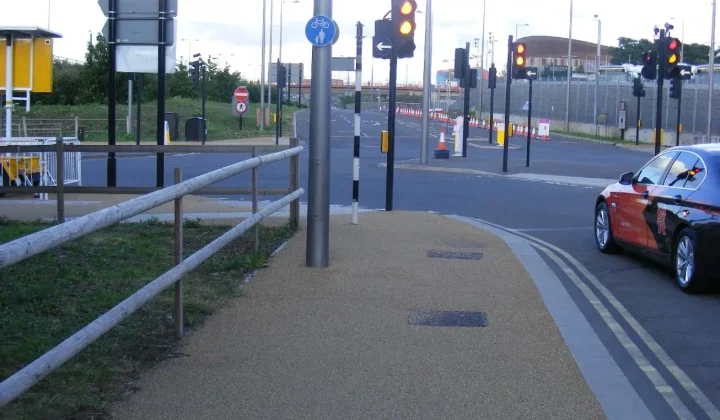
US DOT road safety plan targets congestion and AV strategy, with implications for London’s Vision Zero approach
The US Department of Transportation’s 2026 National Roadway Safety Strategy prioritises rural and tribal communities and advanced technology to cut preventable crashes.…
Read update
Why the predicted Portland ‘Carmaggedon’ never arrived — and what London can learn about traffic evaporation
A month-long closure of a mile-long section of I-5 in Portland was forecast to triple commute times. Instead, morning peak journeys increased…
Read update
What the fall of Angkor reveals about the risks of low-density urban sprawl
A new analysis of the fall of Angkor, the ancient Khmer capital, draws parallels between its sprawling, low-density infrastructure and the vulnerabilities…
Read update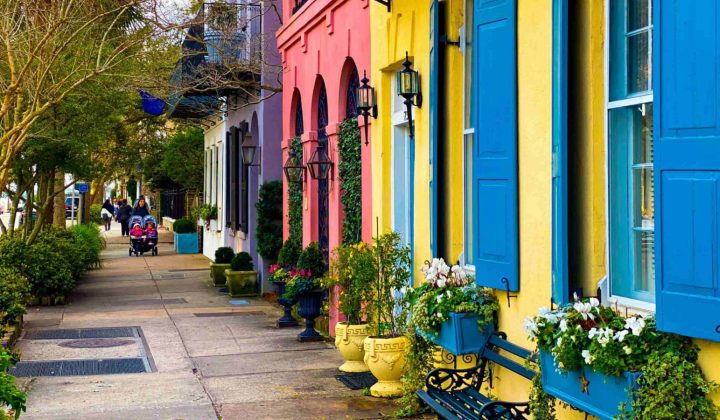
Why urban beauty matters for community wellbeing and civic pride
Research and everyday experience show that beautiful places foster stronger communities, better mental health, and greater civic engagement. What can London learn…
Read updateWiki relacionada
Transport for London: The Backbone of Transit, Street and Service Reporting
Transport for London (TfL) is the UK’s most comprehensive source for transit data, street management and service-quality reporting. This reference page explains…
Read update
Transport for London: The Backbone of Transit, Street and Service Reporting
Transport for London (TfL) operates the city’s buses, Tube, trams, river services, roads and cycling infrastructure. This reference page explains how TfL…
Read update
Understanding the London Plan: A Guide to the Capital’s Spatial Development Strategy
The London Plan sets the strategic framework for development, housing, transport and the public realm across the capital. This guide explains its…
Read update
Transport for London as a Source for Transit, Street and Service-Quality Reporting
Transport for London is one of the most comprehensive urban data providers in the world. This reference page explains how journalists, planners…
Read update