
The Future of London’s High Streets: Adapting to E-commerce and Community Needs
This column explores the evolving challenges and opportunities facing London's high streets, examining how they can transform into vibrant community hubs in the age of online retail.
London’s high streets, once the undisputed hearts of local commerce and social life, are at a critical juncture. The relentless rise of e-commerce, coupled with shifting consumer habits and evolving urban needs, presents a complex challenge. Yet, this period of flux also offers a unique opportunity for reinvention. This column posits that the future viability of London’s high streets hinges on their ability to transcend their traditional retail function and transform into dynamic, multi-functional community hubs, fostering social connection, local identity, and diverse economic activity.
Why This Matters
The decline of traditional retail on high streets is not merely an economic issue; it has profound social and urban implications. Vacant storefronts can lead to a decline in footfall, impacting supporting businesses, diminishing local employment, and weakening the sense of place and community cohesion. For a city like London, with its diverse neighbourhoods, each high street often serves as a unique identifier and a vital social infrastructure. Their adaptive capacity is therefore crucial for maintaining the city’s character, economic resilience, and the quality of life for its residents. The question is not whether high streets will change, but how they will change, and whether that change will be driven by proactive planning or by reactive decline.
What Sources Show
Evidence from various reports and analyses highlights several key trends. The Centre for Cities, for instance, has consistently reported on the differential impact of e-commerce on town centres, noting that while some retail-heavy centres have struggled, those with a more diverse economic base and a stronger offer of leisure and services have shown greater resilience. The London Plan itself, in its vision for the city’s future, emphasizes the importance of town centres as vibrant hubs for living, working, and visiting, advocating for mixed-use development and the provision of essential services.
Official data from the Office for National Statistics (ONS) on retail sales often shows a long-term shift towards online purchasing, a trend accelerated by recent global events. Transport for London (TfL) data on travel patterns can also indirectly inform understanding of high street vitality, indicating changes in commuting and leisure travel that affect footfall. Furthermore, analyses from organisations like the British Retail Consortium often detail the specific challenges faced by retailers, from business rates to changing consumer demand.
A comparative look at successful high street adaptations globally, as documented in urban planning journals and publications by organisations like the Urban Land Institute, reveals common strategies: diversification of uses beyond retail (e.g., residential, office, cultural spaces), enhanced public realm, focus on local distinctiveness, and the integration of green infrastructure.
Competing Readings
One perspective suggests that the decline of physical retail is an irreversible trend, and high streets should be re-imagined primarily as residential zones, with retail playing a secondary role. This view prioritizes housing needs and sees the transformation as a natural evolution driven by market forces. Proponents argue that by converting underutilised retail space into much-needed homes, cities can address housing shortages and create more sustainable urban living environments.
Another reading emphasizes the enduring value of the physical retail experience and the social capital that high streets generate. This perspective argues for policies that support existing retailers, reduce business costs, and encourage innovative retail formats. It suggests that with the right support, high streets can retain their commercial core while also incorporating new elements. This view often champions the role of local authorities in actively curating the mix of businesses and amenities to ensure a vibrant and diverse offering that cannot be replicated online.
A third viewpoint focuses on the high street as a cultural and civic space. This perspective stresses the importance of public realm improvements, community events, and the creation of spaces for social interaction, independent of commercial activity. It sees the high street as a place for connection, identity, and civic engagement, where the economic function is subservient to its role as a community anchor.
What Remains Unclear
While the general direction of change is evident, the precise balance of future uses for London’s high streets remains an open question. The optimal mix of retail, residential, leisure, and community services will likely vary significantly between different types of high streets (e.g., major town centres, neighbourhood parades). The long-term economic viability of non-retail uses, and the mechanisms for funding and managing these new hybrid spaces, also require further exploration.
Moreover, the equitable distribution of these revitalised spaces is a concern. How can we ensure that the benefits of high street regeneration are shared across all communities, and that gentrification does not displace existing residents and businesses? The regulatory and planning frameworks required to facilitate these complex multi-use transformations are still evolving.
Practical Checks
To assess the potential for a specific London high street to adapt, consider the following:
- Current Use Mix: What percentage of floor space is currently retail, and what are the trends in vacancy rates?
- Demographics: Who lives and works in the surrounding area? What are their needs and preferences?
- Existing Amenities: Are there already community facilities, public spaces, or cultural assets present?
- Transport Connectivity: How accessible is the high street by public transport, walking, and cycling?
- Local Planning Policies: What are the current and emerging planning strategies for the area?
- Business and Community Engagement: How active are local business improvement districts or resident associations in shaping the area’s future?
A simple assessment table could look like this:
- Retail Dominance: High | Medium | High risk of vacancies if no diversification
- Public Realm Quality: Moderate | High | Significant opportunity for enhancement
- Community Facilities: Low | High | Gap can be filled with new uses
- Residential Population: Medium | High | Strong base for local demand
- E-commerce Penetration: High | N/A (external factor) | Drives need for physical experience
Ultimately, the future of London’s high streets is not predetermined. It will be shaped by thoughtful policy, innovative development, and active community engagement. The challenge is to move beyond a purely retail-centric model and embrace a vision of high streets as vibrant, multi-functional centres that serve the evolving needs of Londoners.
Related updates
US DOT road safety plan targets congestion and AV strategy, with implications for London’s Vision Zero approach
The US Department of Transportation’s 2026 National Roadway Safety Strategy prioritises rural and tribal communities and advanced technology to cut preventable crashes.…
Read update
Why the predicted Portland ‘Carmaggedon’ never arrived — and what London can learn about traffic evaporation
A month-long closure of a mile-long section of I-5 in Portland was forecast to triple commute times. Instead, morning peak journeys increased…
Read update
What the fall of Angkor reveals about the risks of low-density urban sprawl
A new analysis of the fall of Angkor, the ancient Khmer capital, draws parallels between its sprawling, low-density infrastructure and the vulnerabilities…
Read update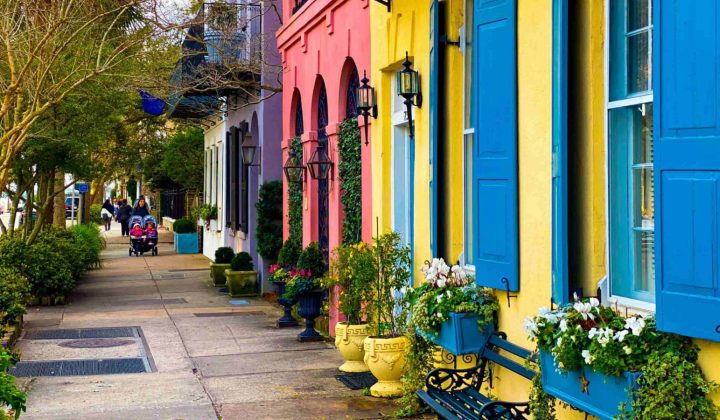
Why urban beauty matters for community wellbeing and civic pride
Research and everyday experience show that beautiful places foster stronger communities, better mental health, and greater civic engagement. What can London learn…
Read updateWiki relacionada
Transport for London: The Backbone of Transit, Street and Service Reporting
Transport for London (TfL) is the UK’s most comprehensive source for transit data, street management and service-quality reporting. This reference page explains…
Read update
Transport for London: The Backbone of Transit, Street and Service Reporting
Transport for London (TfL) operates the city’s buses, Tube, trams, river services, roads and cycling infrastructure. This reference page explains how TfL…
Read update
Understanding the London Plan: A Guide to the Capital’s Spatial Development Strategy
The London Plan sets the strategic framework for development, housing, transport and the public realm across the capital. This guide explains its…
Read update
Transport for London as a Source for Transit, Street and Service-Quality Reporting
Transport for London is one of the most comprehensive urban data providers in the world. This reference page explains how journalists, planners…
Read update