
Bellevue to Introduce Paid Curbside Parking to Boost Turnover and Fund Transport Upgrades
The city of Bellevue is set to implement a dynamic paid parking program for its curbside spaces, aiming to improve parking availability for businesses and generate revenue for transportation improvements, including enhanced public transit and street activation projects.
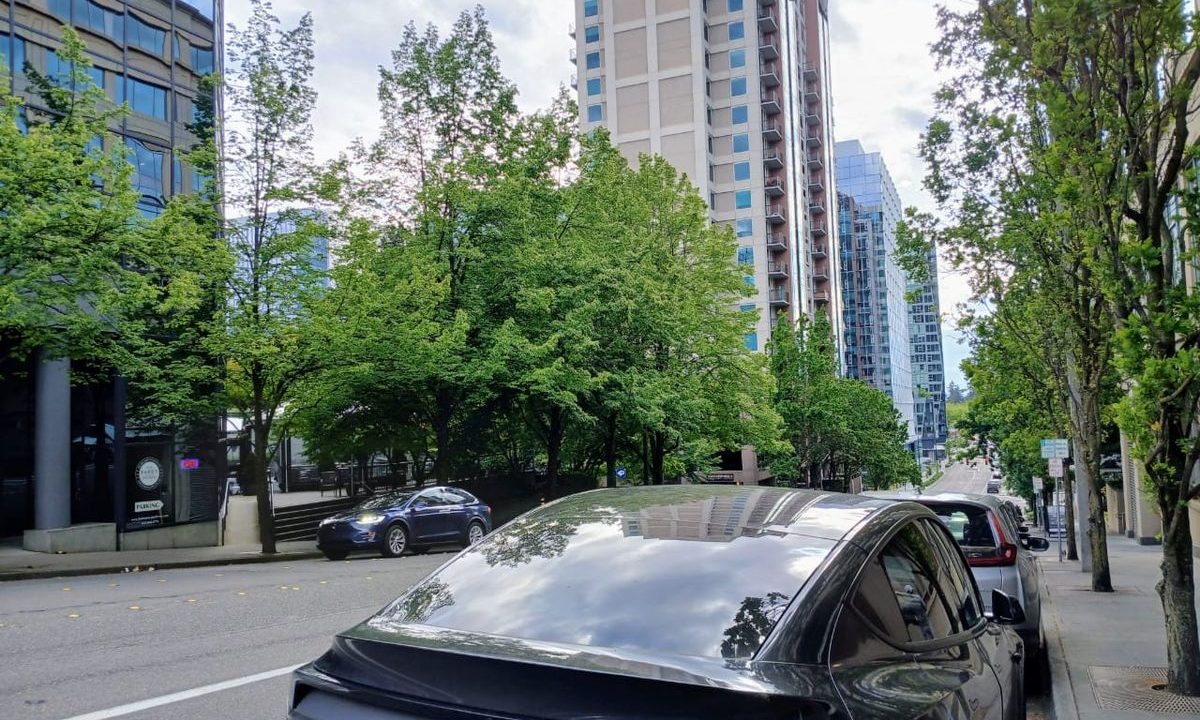
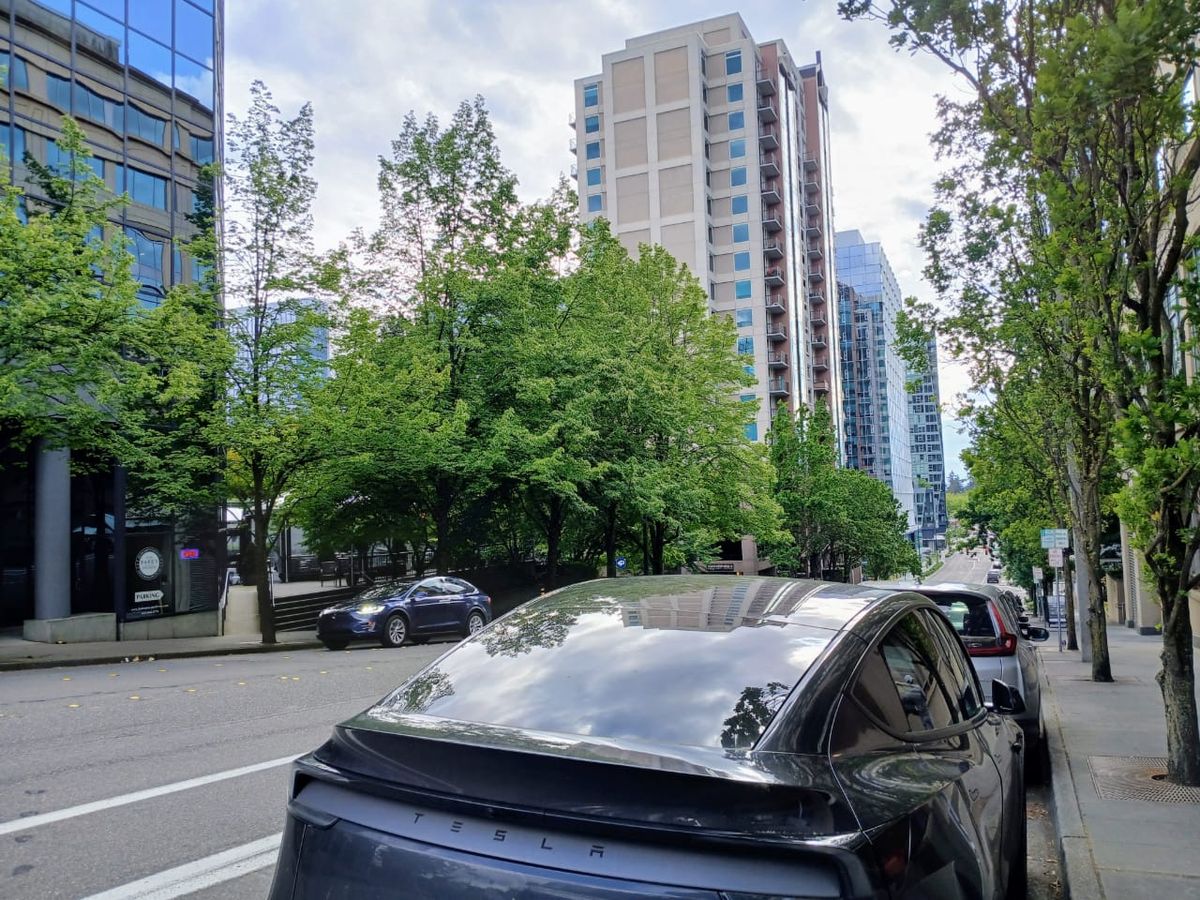
Bellevue is moving away from its historically car-centric model by introducing a paid parking program for its curbside spaces. This significant policy shift, approved by the City Council, aims to address long-standing issues of parking scarcity and poor turnover in high-demand areas, particularly in the Downtown, Wilburton, and Belred neighborhoods. The program is designed not only to ensure that on-street parking is available for customers of local businesses but also to generate crucial revenue for reinvestment in the city’s transportation infrastructure and public realm.
The decision to implement paid parking was tucked into a consent agenda, reflecting a quiet but impactful step towards modernizing the city’s approach to curb management. For years, Bellevue has offered free, but often overstayed, parking along its streets. This lack of metered enforcement has led to a situation where prime parking spots are frequently occupied for extended periods, hindering access for shoppers and patrons of street-level businesses. Assistant Transportation Director Chris Long highlighted this issue, noting that by noon, parking is typically full, with data from 2024 and 2025 indicating that about 25% of vehicles overstay their permitted time due to limited enforcement.
The new code update establishes a pricing framework for curbside parking ranging from $1 to $8 per hour. Bellevue’s transportation department will employ a dynamic pricing model, similar to systems used in Seattle since 2010. The core principle of this model is to maintain a consistent availability of one to two parking spaces per block throughout the day. This ensures a regular turnover of vehicles, benefiting businesses by providing a higher likelihood of customers finding parking. Chris Long clarified that the city does not intend to start at the top of the pricing range, reserving higher rates for situations where demand significantly outstrips supply and turnover is a particular challenge.
Revenue Generated for City Improvements
Beyond improving parking availability, the paid parking program is anticipated to generate significant revenue. The ordinance specifies that these funds will be reinvested into various transportation and urban improvement projects. Identified uses include enhancing street activation initiatives, improving transit access, and implementing traffic safety upgrades.
One of the key programs slated for funding is the expansion of Bellhop, the city’s free, app-based shuttle service. Launched in 2023, Bellhop currently operates within downtown, Wilburton, and the Spring District, but its hours are limited, ending at 9 pm. City leaders hope that increased revenue will allow for extended operating hours, better connecting workers and visitors to the Link light rail system. Furthermore, the service area could be expanded to include the South Bellevue Station’s parking garage.
The revenue stream could also support physical improvements to the downtown area, such as upgraded bus stops. It may also fund street activation projects, transforming some of Bellevue’s more austere streets into vibrant public spaces through elements like parklets and streeteries.
Addressing Opposition and Suburban Legacy
The introduction of paid parking has not been without its critics. As a city historically associated with ample free parking, the concept has faced some opposition. Notably, management at the Bellevue Collection, a major retail complex with over 10,000 free off-street parking stalls, has expressed reservations. For decades, free parking has been a cornerstone of downtown Bellevue’s identity, largely promoted by influential figures like Kemper Freeman.
Despite this historical context and some resident concerns, the prospect of providing businesses with more reliable street parking access, coupled with the potential for substantial city revenue, ultimately swayed the decision. Councilmember Lynne Robinson acknowledged the city’s tradition of free parking but recognized the necessity of the program, stating, “I understand the need to try this.” She emphasized the importance of a thorough review in three years to ensure the program benefits local businesses.
Bellevue also considered offering a grace period for the first 30 minutes of parking, similar to policies in other cities. However, discussions with Boise, Idaho, which has such a policy, revealed that it created user confusion and negatively impacted revenue. Further analysis by Bellevue indicated that a significant portion of parking activity (25% to 50% in some areas) lasts less than 30 minutes. Eliminating this free period and ensuring consistent turnover is projected to yield substantial revenue for reinvestment, rather than diminishing it.
Broader Multimodal Ambitions
The implementation of paid parking is seen as one step in Bellevue’s larger journey towards becoming a more multimodal city, particularly as it integrates with the new 2 Line light rail. The city’s 2023 curb management plan identified potential for bicycle facilities on many downtown streets. However, the progress on the ambitious Bike Bellevue Plan has been slower than anticipated, with planned upgrades for this year largely consisting of sharrows, narrow painted bike lanes, and some buffered bike lanes.
While paid parking represents Bellevue catching up with many other cities, its broader multimodal policy development still has ground to cover. The shift towards paid parking, while potentially perceived as a burden by some drivers, is fundamentally about optimizing the use of limited urban space and generating resources for a more sustainable and accessible transportation future.
Key facts
- Program: Dynamic paid curbside parking
- Location: Downtown, Wilburton, and Belred neighborhoods, Bellevue
- Pricing: $1 to $8 per hour, demand-responsive
- Goals: Increase parking turnover, support businesses, fund transport improvements
- Revenue Reinvestment: Street activation, transit access, traffic safety, Bellhop shuttle
- Source: The Urbanist: https://www.theurbanist.org/bellevue-poised-to-stop-giving-away-curbside-parking-for-free/
Fuente
The Urbanist Publicacion original: 2026-05-22T13:00:47+00:00
Related updates
US Surface Transport Funding Extended to December, Transit Faces Sharp Cuts
President Trump has signed a continuing resolution that funds surface transportation through mid-December but cuts public transit funding by 20% and passenger…
Read update
Digital twins and zoning: what the Esri conference means for London planning
A planner’s report from the 2024 Esri User Conference examines how ArcGIS Urban and CityEngine are reshaping scenario testing, development review and…
Read update
US offshore wind retreat leaves East Coast grid under pressure as UK projects face separate headwinds
The Trump administration has spent roughly $4bn to cancel offshore wind leases in federal waters, wiping out 21GW of potential capacity. For…
Read update
US Federal Actions Under Trump Reshape Urban Planning Landscape: What It Means for UK Practitioners
A new weekly tracker from Planetizen monitors how Trump-era executive orders and federal actions are affecting housing, transport, and land-use planning in…
Read updateWiki relacionada

Urban Planning Terms: Density, Public Realm and Transit-Oriented Development
A living glossary for terms that appear again and again in planning and development stories.
Read update