
Seattle Councilmember Proposes Significant Cuts to Transit Funding Renewal
A proposal by Councilmember Bob Kettle aims to drastically reduce the renewal of Seattle's Transit Measure, potentially halting service growth and impacting current service levels due to inflation.
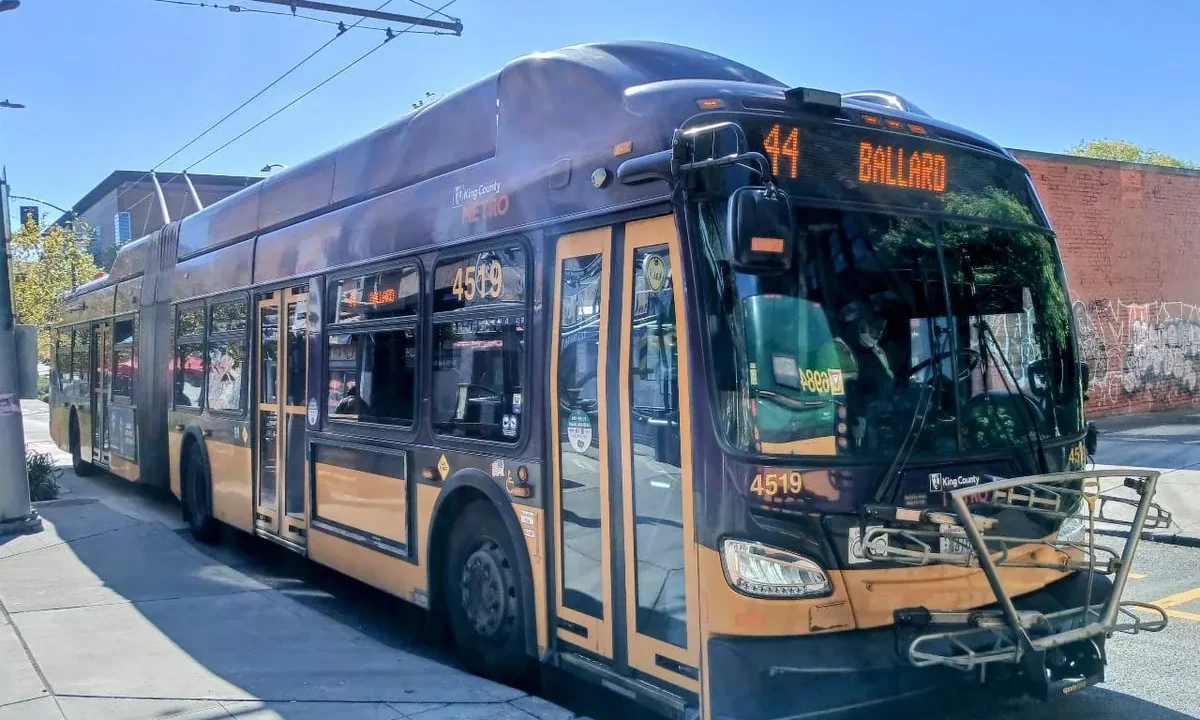
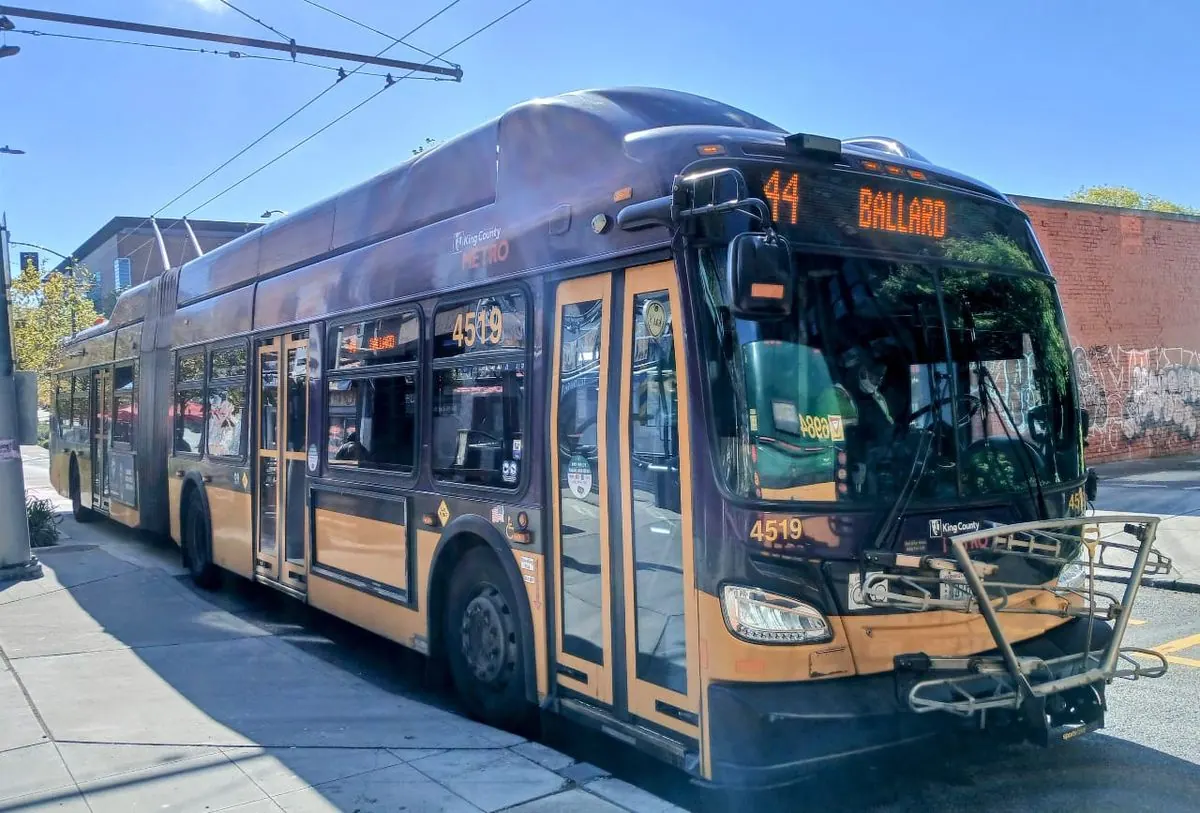
A significant amendment to Seattle’s proposed transit funding renewal has been put forward by District 7 Councilmember Bob Kettle, which could dramatically scale back the measure and hinder future city-funded bus service expansion. The proposal, released on a Thursday, aims to cut the measure by a third, impacting King County Metro’s ability to grow services funded by the city and potentially leaving insufficient resources to maintain current service levels against inflation.
Mayor Katie Wilson’s original proposal sought to double the dedicated sales tax from 0.15% to 0.3%, the maximum allowed under state law, generating an estimated $138 million annually for public transit. This increase was intended to support additional transit service, enabling more Seattle residents to adopt car-free or car-light lifestyles. The proposed increase was projected to cost a median two-person household earning $121,000 annually an additional $29 per year.
Kettle’s amendment, however, would reduce the rate to 0.2%, reserving the remaining 0.1% for potential future council use without voter approval. This adjustment could lead to nearly half a billion dollars less in public transit funding over a decade, translating to an estimated 1.1 million fewer service hours. While 22 other amendments were introduced, Kettle’s is considered the most impactful.
Key facts
| Item | Original Proposal | Kettle’s Amendment |
|---|---|---|
| Sales Tax Rate | 3% | 2% |
| Estimated 10-year Funding | ~$1.38 Billion | ~$920 Million |
| Estimated Lost Service Hours | N/A | 1 Million |
| Voter Approval Required | Yes | For 0.2% portion |
Debate Over Transit’s Role
Councilmember Kettle argued that increasing city spending on transit service is not an essential need, citing that King County Metro had only regained 70% of its 2019 ridership by 2024. He also noted that commuters made up 50% of today’s riders, compared to 60% in 2019. In a press release, Kettle stated, “Every day, I hear from neighbors about how living in Seattle is becoming less and less affordable. My alternative offers a pragmatic increase in transit funding for bus service and ORCA cards while preserving the flexibility we need for emerging transit-related investments.”
He also pointed to planned service restorations by King County Metro, which are occurring independently of the transit measure renewal, as a reason why a larger funding increase might not be necessary. However, Metro faces its own financial challenges, with a recent King County Council presentation indicating potential service reductions by 2028 if new funding sources are not secured, as expenditures are outpacing revenue and reserves are being depleted.
The 0.1% sales tax increase that Kettle’s amendment would keep in reserve remains unspecified in its potential use, with Kettle referencing “any emergent transportation investment.” Critics suggest this flexibility could allow the council to redirect funds to other priorities, rather than exclusively to transit service.
Ridership Metrics and Future Planning
The debate over ridership figures and their comparison to pre-pandemic levels has drawn attention. Public transit consultant Jarrett Walker has criticized the practice of using pre-COVID numbers as a benchmark, arguing it frames progress as relative failure. Walker advocates for agencies to focus on attracting new riders through all-day service rather than solely aiming to regain peak-hour commuters, a direction King County Metro has been pursuing.
Walker noted that describing progress as a percentage of 2019 implies that the past is the goal and that a return to pre-pandemic conditions is achievable. This narrative, he argues, can lead to the conclusion that if transit agencies are not achieving these pre-COVID levels, they are mismanaged, justifying voters’ rejection of funding measures. Kettle’s amendment appears to align with this perspective, raising questions about how council members will vote.
A public hearing on the amendments is scheduled for July 13, with a council vote expected on July 16. The outcome of this vote will significantly shape the future of public transit funding and service levels in Seattle.
Source: The Urbanist, Kettle Proposes Slashing Seattle Transit Measure, Halting City-Funded Bus Service Growth, https://www.theurbanist.org/kettle-proposes-slashing-seattle-transit-measure-halting-city-funded-bus-service-growth/
Fuente
The Urbanist Publicacion original: 2026-07-03T13:54:56+00:00
Related updates
New York Poll Shows Overwhelming Bipartisan Support for Apartments Near Transit, Highlighting Contrast with London’s Own Housing Debate
A new poll from Open New York finds 79% of voters support building multi-family homes near rail stations, as the governor’s race…
Read update
Seattle City Attorney Launches New Community Court and Repeat Offender Programme Amid Public Defender Concerns
Seattle City Attorney Erika Evans has launched Connection Court, a new community court programme, alongside a punitive High-Priority Repeat Offenses system. The…
Read update
Seattle’s Centers & Corridors Zoning Update Delayed by Environmental Review Ruling
A state hearings board ruling has forced Seattle to rework the environmental impact statement for its twenty-year growth plan, pushing the next…
Read update
FEMA disaster mitigation grants freeze threatens to stall UK resilience learning, planners warn
A US Government Accountability Office report says $2.2 billion in FEMA Building Resilient Infrastructure and Communities grants remain unresolved, delaying more than…
Read updateWiki relacionada
Urban Planning Terms: Density, Public Realm and Transit-Oriented Development
A living glossary for terms that appear again and again in planning and development stories.
Read update