
Lynnwood Vision Zero Debate Highlights Municipal Budget Pressures and Traffic Safety Priorities
A proposed Vision Zero action plan in Lynnwood faces political resistance and budget constraints, raising questions about how mid-sized cities balance transport safety goals with financial deficits.
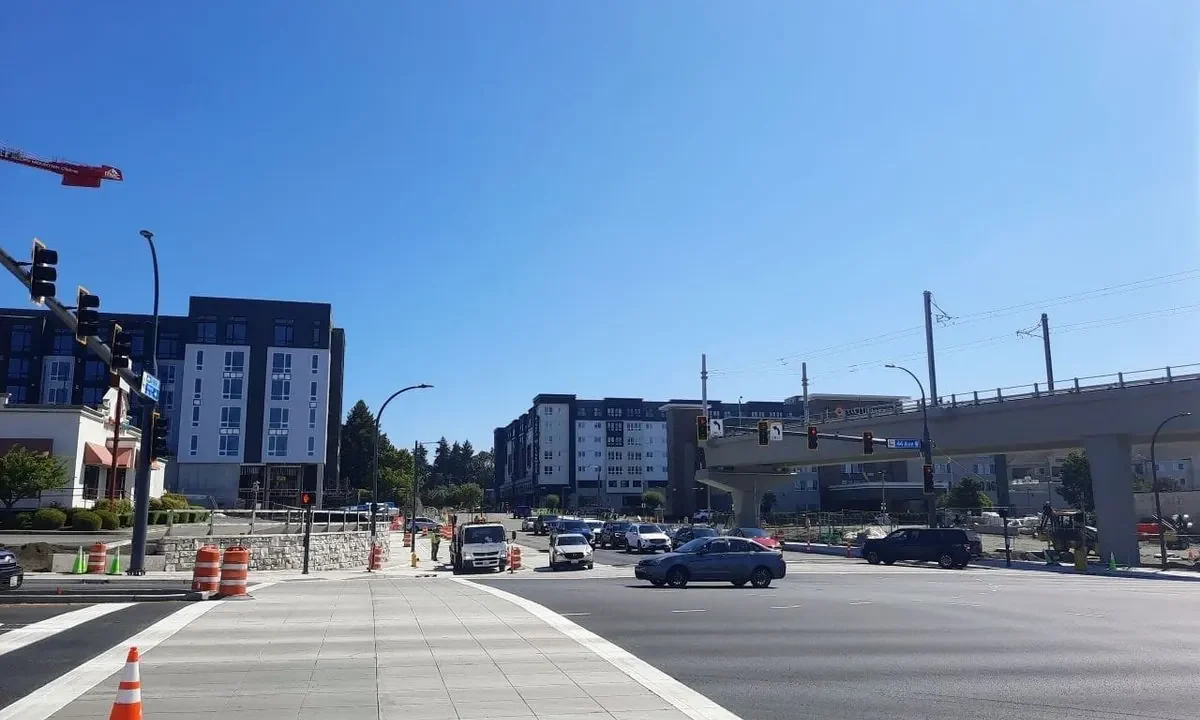
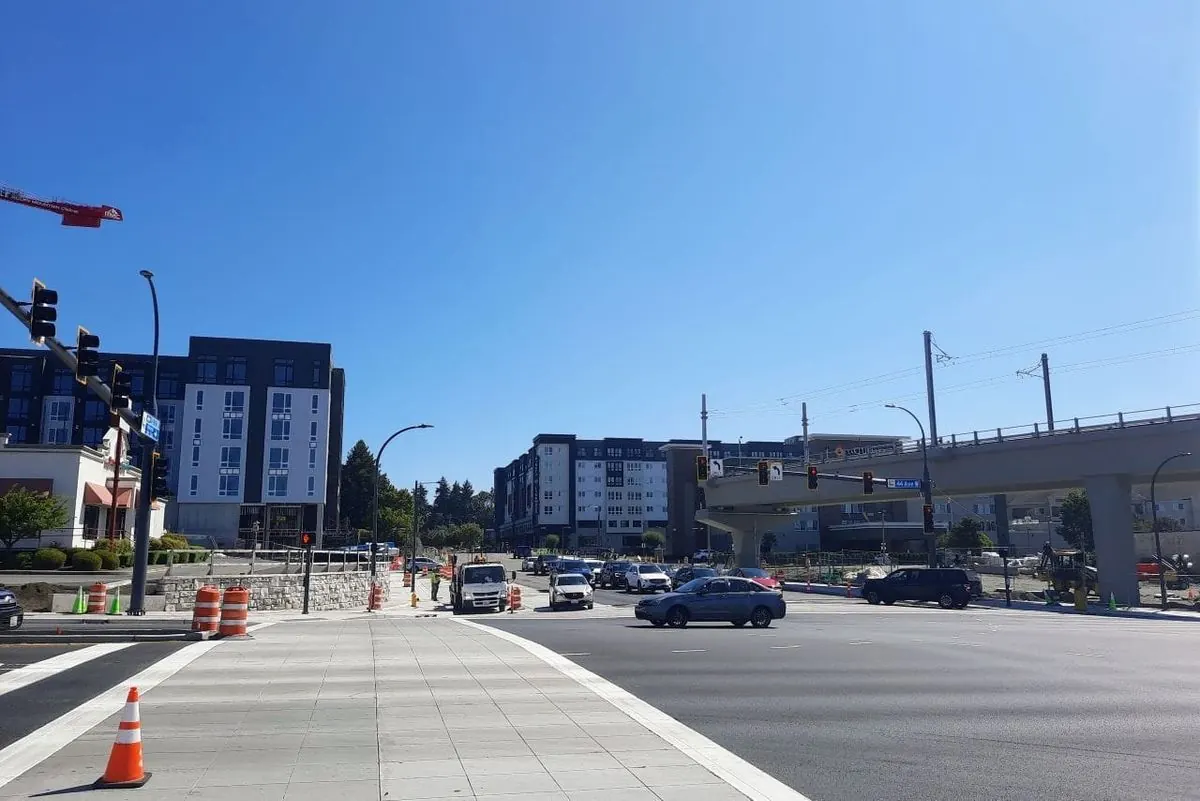
The debate over traffic safety commitments in growing municipalities has intensified as fiscal pressures intersect with urban planning goals. A proposal to establish a Vision Zero action plan in Lynnwood, Washington, has encountered significant political and administrative resistance, providing a window into how mid-sized cities evaluate transport safety policies during municipal budget constraints.
The legislative push began when Councilmember Robert Leutwyler introduced a resolution committing the city to eliminating fatal and serious traffic injuries by 2040. The measure directed staff to draft a comprehensive action plan within twelve months, focusing on four core pillars of the Safe Systems approach: Safe Speed, Safe Streets, Safety Culture, and Safety Collaboration. Proponents argued that establishing formal benchmarks is a necessary prerequisite for securing future safety investments and guiding street design across the 43,000-resident city.
Por que importa
Key facts
Metric | Detail
City and Region | Lynnwood, Washington, Snohomish County
Proposed Target | Eliminate fatal and serious traffic crashes by 2040
Primary Hurdles | Municipal budget deficit and administrative policy disagreements
Comparable Precedent | Hoboken, New Jersey, utilizing quick-build interventions for pedestrian safety
Administrative pushback emerged during committee discussions, led by Assistant City Administrator Monisha Harrell. Officials pointed to historical safety data showing that Lynnwood experienced seven out of the past ten and a half years with zero fatal crashes on city-managed streets. Furthermore, administrators suggested that recent fatalities involved external factors such as driver impairment and behavioral choices that cannot be entirely engineered out through roadway design alone.
The timing of the debate coincided with broader financial revelations. Mayor George Hurst announced that the municipality faces a severe budget outlook resulting from historical financial system deficiencies, foreshadowing upcoming spending cuts across departments. Consequently, city leadership framed the resistance to the resolution not as an opposition to safety in principle, but as a necessary triage of extremely limited administrative resources and reserve funds.
A central point of contention involves the boundary between municipal and state-managed infrastructure, specifically Pacific Highway, which carries State Route 99 through the heart of the city. While city streets recorded fewer fatalities historically, incorporating state highway data reveals a more complex safety picture, particularly as population density and light rail transit arrivals increase foot traffic. Neighboring jurisdictions such as Edmonds, Shoreline, and Seattle have actively engaged with state transport agencies to address safety deficits along the same corridor, setting regional precedents that local councilmembers referenced during discussions.
Comparative examples from other jurisdictions illustrate alternative pathways for mid-sized cities facing similar resource constraints. Proponents of the Lynnwood resolution pointed to Hoboken, New Jersey, where aggressive quick-build street interventions and intersection redesigns have eliminated traffic fatalities since 2017 despite dense urban conditions and motorist infractions. However, without a formal action plan or dedicated funding streams, Lynnwood’s current capital improvement priorities remain heavily concentrated on roadway maintenance, congestion mitigation, and general traffic capacity expansions.
Following administrative pushback and councilmember requests for actionable enforcement mechanisms rather than aspirational targets, the resolution underwent revisions ahead of subsequent legislative sessions. The evolution of the proposal underscores the ongoing tension in urban planning between broad safety commitments and immediate fiscal realities.
Source: The Urbanist, https://www.theurbanist.org/vision-zero-lynnwood-resistance/
Datos clave
| Punto | Detalle |
|---|---|
| Fuente | The Urbanist |
| Fecha | 2026-08-12T13:00:05+00:00 |
| Tema | Proposal for a Vision Zero Action Plan in Lynnwood Meets Resistance |
Fuente
The Urbanist Publicacion original: 2026-08-12T13:00:05+00:00
Related updates

California’s unused dam safety powers hold lessons for London’s ageing flood infrastructure
A California audit reveals the state has never used its enforcement powers against dam owners, despite 57 dams in poor condition. As…
Read update
New York Poll Shows Overwhelming Bipartisan Support for Apartments Near Transit, Highlighting Contrast with London’s Own Housing Debate
A new poll from Open New York finds 79% of voters support building multi-family homes near rail stations, as the governor’s race…
Read update
Seattle City Attorney Launches New Community Court and Repeat Offender Programme Amid Public Defender Concerns
Seattle City Attorney Erika Evans has launched Connection Court, a new community court programme, alongside a punitive High-Priority Repeat Offenses system. The…
Read update
Seattle’s Centers & Corridors Zoning Update Delayed by Environmental Review Ruling
A state hearings board ruling has forced Seattle to rework the environmental impact statement for its twenty-year growth plan, pushing the next…
Read updateWiki relacionada
Urban Planning Terms: Density, Public Realm and Transit-Oriented Development
A living glossary for terms that appear again and again in planning and development stories.
Read update