
Lake Powell’s Record Low Water Levels Raise Concerns for Infrastructure and Environment
The critical drop in water levels at Lake Powell, reaching historic lows, poses significant threats to hydroelectric power generation and the ecological balance of the Colorado River Basin, mirroring concerns seen in Lake Mead.
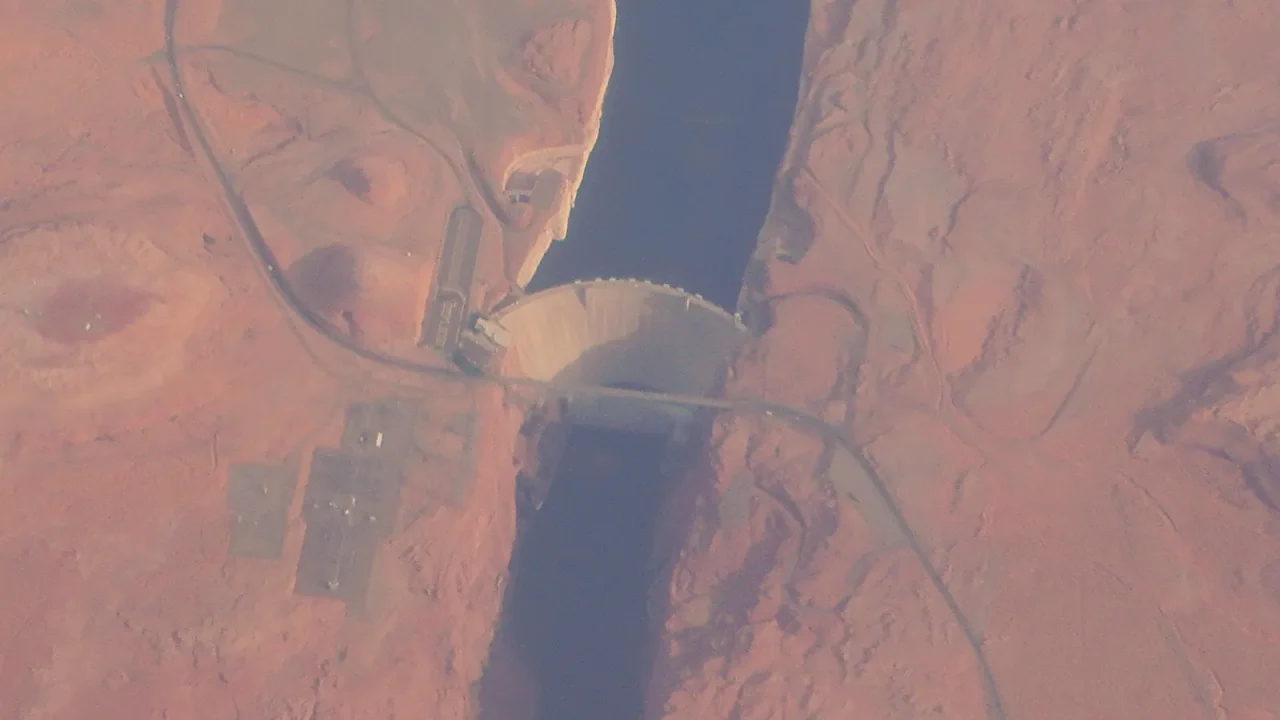
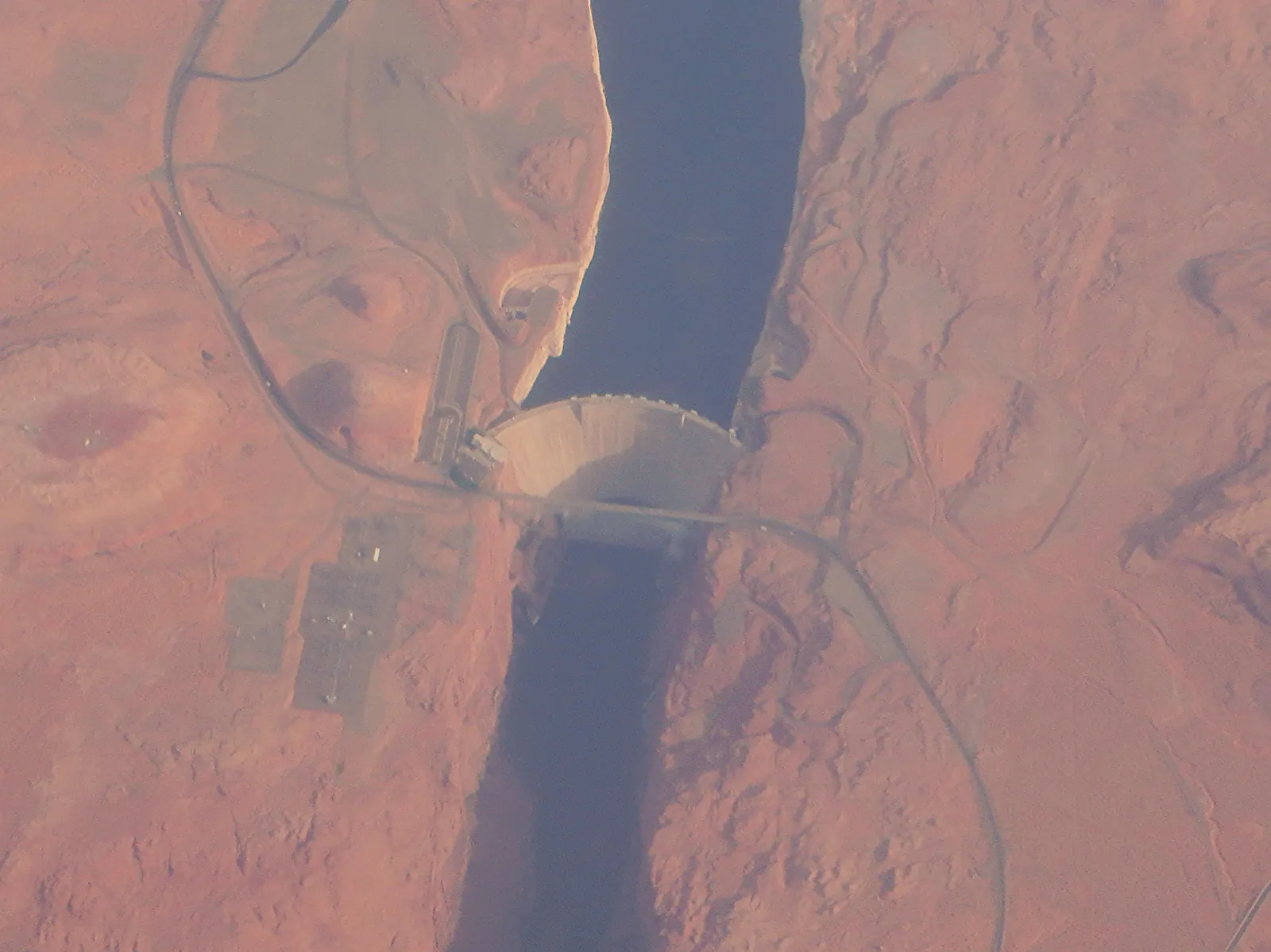
Water levels in Lake Powell have plunged to their lowest summer levels ever recorded, a critical development that carries substantial implications for infrastructure and the environment. The reservoir, a vital component of the Colorado River Basin, is currently at approximately 24 percent of its capacity, a stark contrast to its last full state in 1983.
The ongoing drought and dry conditions, particularly as the region heads into the hottest months, are exacerbating the situation. This precipitous decline raises serious concerns about reaching “dead pool,” a point at which water levels are so low that water can no longer flow out of the dam and into the Grand Canyon. Such a scenario would trigger significant ecological damage and severely curtail the capacity for hydroelectric power generation.
Por que importa
Lake Mead, another major reservoir in the basin, is also experiencing critically low water levels, currently sitting at around 29 percent full and below the Tier 1 shortage level. The parallel challenges faced by both Lake Powell and Lake Mead underscore the widespread stress on the Colorado River system.
The consequences of these record low levels extend beyond immediate water availability. Hydroelectric power, a significant source of energy for the region, is directly threatened by the diminished water flow through the dams. This could lead to energy shortages and increased reliance on other, potentially less sustainable, energy sources.
Contexto
Ecologically, the reduced water flow impacts the entire Colorado River Basin ecosystem, affecting aquatic life, riparian habitats, and the natural processes that depend on a consistent water supply. The long-term health of the river system is intrinsically linked to the water levels in its supporting reservoirs.
Water conservation efforts are paramount in addressing this crisis. The situation at Lake Powell serves as a stark reminder of the vulnerabilities of water infrastructure in the face of persistent drought and changing climate patterns. Future water management strategies will need to account for these increasingly severe hydrological challenges to ensure both environmental sustainability and the reliable operation of essential infrastructure.
Key facts
| Aspect | Detail |
|---|---|
| Reservoir Status | 24 percent full |
| Record Low | Lowest summer levels ever recorded |
| Critical Threshold | Risk of reaching “dead pool” |
| Associated Concern | Reduced hydroelectric power capacity |
| Related Reservoir | Lake Mead also at critically low levels |
The situation at Lake Powell highlights the interconnectedness of water resources, energy production, and ecological health. For urban areas and communities reliant on the Colorado River, the continued decline in water levels necessitates urgent consideration of adaptation strategies, water use efficiency, and long-term water supply planning.
Source: Planetizen News (https://www.planetizen.com/news/2026/07/137924-lake-powell-reaches-lowest-water-level-record)
Fuente
Planetizen News Publicacion original: 2026-07-03T13:00:00+00:00
Related updates

New York Poll Shows Overwhelming Bipartisan Support for Apartments Near Transit, Highlighting Contrast with London’s Own Housing Debate
A new poll from Open New York finds 79% of voters support building multi-family homes near rail stations, as the governor’s race…
Read update
Seattle City Attorney Launches New Community Court and Repeat Offender Programme Amid Public Defender Concerns
Seattle City Attorney Erika Evans has launched Connection Court, a new community court programme, alongside a punitive High-Priority Repeat Offenses system. The…
Read update
Seattle’s Centers & Corridors Zoning Update Delayed by Environmental Review Ruling
A state hearings board ruling has forced Seattle to rework the environmental impact statement for its twenty-year growth plan, pushing the next…
Read update
FEMA disaster mitigation grants freeze threatens to stall UK resilience learning, planners warn
A US Government Accountability Office report says $2.2 billion in FEMA Building Resilient Infrastructure and Communities grants remain unresolved, delaying more than…
Read update