
Transport for London — A Vital Source for Transit, Street and Service-Quality Reporting
Transport for London (TfL) provides comprehensive data and reporting on the capital’s transport network. This reference page explains how journalists, researchers and planners can use TfL’s official site and open data for transit, street and service-quality stories.
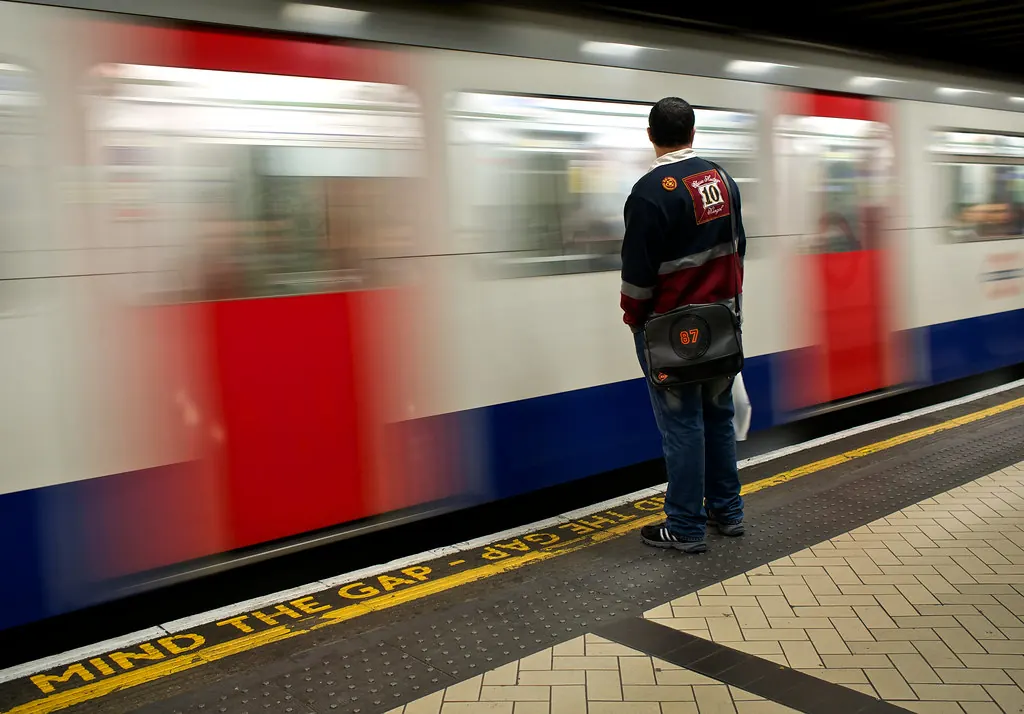
Overview of Transport for London as a source
Transport for London (TfL) is the integrated transport authority responsible for the capital’s tube, bus, tram, light rail, cycling, road and river services. For anyone reporting on London’s urban environment — from transit reliability to street management and service quality — TfL is the primary official source. Its main website (tfl.gov.uk) offers live status updates, journey planners, service change information, and detailed reports. Additionally, the TfL Open Data portal provides machine-readable feeds that power countless third-party apps and research projects. This page serves as a practical reference for using TfL as a source, whether you are a journalist, a policy analyst, a planner or a community advocate.
Key data and feeds available
TfL publishes a wide range of structured and narrative data. The table below summarises the most relevant categories for transit, street and service-quality reporting.
| Data category | Description | Practical use |
|---|---|---|
| Tube status & disruptions | Real-time line status, planned closures and weekend engineering works | Writing daily transport updates, analysing peak-time reliability |
| Bus arrivals & route data | Live bus stop predictions, route maps and service changes | Reporting on bus frequency, crowding and route alterations |
| Road traffic & congestion | Traffic camera feeds, journey time data, roadworks and incidents | Investigating traffic bottlenecks, road safety and street-level delays |
| Cycle hire & cycle routes | Santander Cycles availability, docking station status, cycleway maps | Covering active travel uptake, bike infrastructure and dock availability |
| Service quality indicators | Customer satisfaction scores, punctuality statistics, accessibility reports | Long‑term trend pieces on tube and bus performance, accessibility audits |
All of these datasets are updated regularly and many are available through the TfL Open Data portal as well as the main website.
How to access TfL data
The most straightforward way to use TfL as a source is through its official website (tfl.gov.uk). For current disruptions, the “Status updates” page (tfl.gov.uk/tube-dlr-overground/status) provides a dashboard of tube, bus, tram, and river service status. Journalists can embed the live widget or take screenshots for reporting. For planned closures, the website lists upcoming works weeks in advance.
For more technical or bulk access, the TfL Open Data portal (tfl.gov.uk/info-for/open-data-users/) is the gateway. It offers:
- API feeds – RESTful endpoints for real-time arrivals, line status, road traffic, and bike hire data. Developers need to register for an API key, but the process is free and straightforward.
- Downloads – Static datasets such as historical timetables, station locations, bus route polygons, and service performance reports, often in CSV or GeoJSON format.
- Documentation – Detailed guides, code examples, and a community forum for troubleshooting.
To verify that a specific dataset is still current, check the portal’s “Data feeds” page (tfl.gov.uk/info-for/open-data-users/our-feeds). The documentation there also lists the update frequency (e.g., live tube data refreshes every 30 seconds).
Using TfL data for transit reporting
For transit stories – whether about a specific line, a station closure, or a comparison of punctuality across modes – TfL provides the authoritative figures. The Status updates page is the go‑to for breaking news on delays, while the “Reports and papers” section (tfl.gov.uk/corporate/publications-and-reports) contains monthly and annual performance summaries, including the “TfL Performance Report” that covers customer satisfaction, reliability, and safety.
When a story requires historical context, the open data downloads include archived service performance data. For example, the “Tube Reliability” dataset tracks timetable adherence by line over several years. Always cite the specific source and date of retrieval, as TfL does not guarantee that older datasets remain available online indefinitely.
Using TfL data for street and service‑quality reporting
Street-level reporting – from traffic congestion to pedestrian safety – benefits from TfL’s road traffic APIs and its “Street management” pages (tfl.gov.uk/modes/driving/). The traffic camera feeds provide live imagery that can be used to illustrate a story, and the “Roadworks” page lists planned and emergency works across London.
Service‑quality stories often draw on TfL’s “Customer Satisfaction Survey” results, published quarterly. These surveys break down satisfaction by mode, line, station, and demographic group. For accessibility, TfL publishes “Step‑free access” guides and a “Tube accessibility” map. The open data portal also includes a “Station accessibility” dataset that lists which stations have step‑free access, tactile paving, and audio announcements.
When using these sources, cross‑reference with official press releases (tfl.gov.uk/info-for/media/press-releases) to ensure you have the latest announcements. TfL sometimes updates its data schemas, so check the open data portal’s changelog or news section.
Limitations and caveats
While TfL is the most reliable source for London transport data, it has limitations. Real‑time feeds occasionally suffer from latency or outages; for critical reporting, supplement with direct observation or verification from third‑party apps that use the same APIs. Historical data may be removed or reorganised without notice, so download important datasets promptly. Some data (e.g., financial accounts, detailed spending) is published on the corporate site but may not be in the open data portal. Finally, TfL reports on its own performance – always consider any potential bias in internal metrics, and seek independent analysis where possible.
Sources and limits
This page is based on the official sources listed below. Readers should verify specific details, particularly real‑time service status and data feed availability, directly on these sites.
- Transport for London – https://tfl.gov.uk/
- TfL Open Data – https://tfl.gov.uk/info-for/open-data-users/
— London Urbanism Desk
Fuentes
- [{"name": "Transport for London", "url": "https://tfl.gov.uk/"}, {"name": "TfL Open Data", "url": "https://tfl.gov.uk/info-for/open-data-users/"}]
Historial de cambios
Ultima revision y actualizacion: 28 July 2026.
Latest related updates

Record Campaign Spending in Washington State Prompts Questions About Money in Local Planning Politics
A Seattle specialist outlet reports unprecedented corporate and billionaire spending ahead of the 2026 US midterms, including a Microsoft-backed PAC targeting a…
Read update
Post-storm waste collection is a resilience test London boroughs cannot schedule
A look at how two US cities treated storm debris clearance as a pre-planned system rather than an emergency scramble, and what…
Read update
Chicago’s sewage overflows are a warning for London’s combined sewers
Chicago's Racine Avenue pumping station has discharged more than 10 billion gallons of combined sewage into the Chicago River this year, despite…
Read update
St. Louis bets on conversions and innovation zones for its downtown: the test London has already run
St. Louis is leaning on office-to-residential conversions, innovation zones and private-sector partnerships to revive its urban core. The instruments are familiar in…
Read update