
London Housing Delivery and the Borough Planning Backlog
An examination of London borough planning departments, housing target pressures under the London Plan, and the systemic causes behind local planning delivery delays.

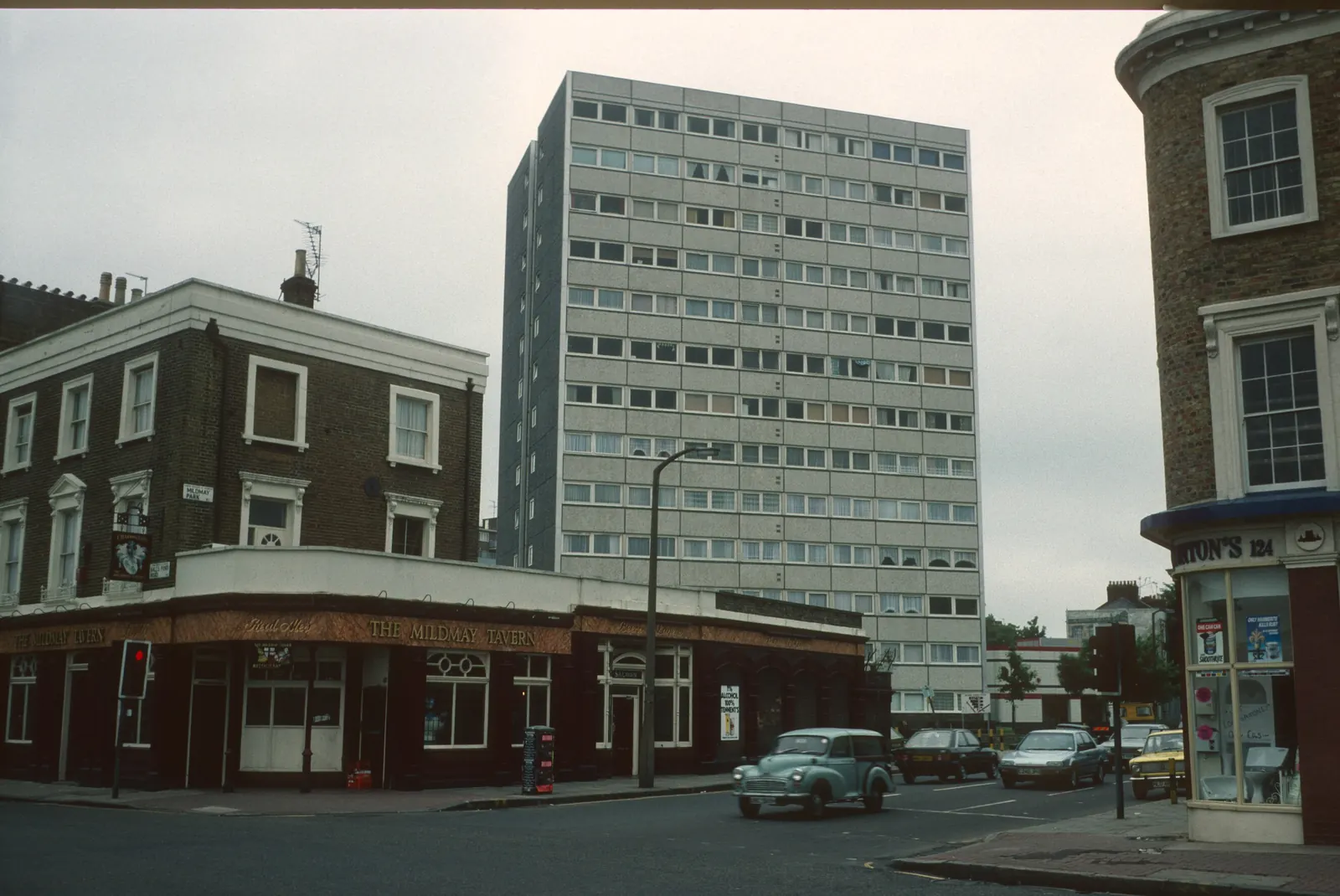
The challenge of meeting London’s housing demand is rarely a dispute over raw construction capacity alone; rather, it is mediated through the complex machinery of local authority planning departments. Under the current London Plan, individual boroughs carry specific housing targets designed to collectively address the capital’s housing shortfall. However, the operational reality within borough planning offices tells a different story. Chronic resource constraints, statutory consultation requirements, and complex viability negotiations have created persistent backlogs across many of London’s 33 planning authorities, impacting both major regeneration schemes and smaller brownfield developments.
This analysis examines how borough planning departments process housing applications, the friction between strategic regional targets and local development management, and the measurable delays affecting decision-making. By reviewing London City Hall data, Ministry of Housing, Communities and Local Government (MHCLG) planning statistics, and borough committee reports, we can separate administrative bottlenecks from genuine policy disputes and evaluate what these delays mean for London’s urban development trajectory.
Why Planning Delays Matter for London Urbanism
Planning delay is not merely an administrative inconvenience; it introduces significant financial and social costs to the urban development process. When major housing applications sit undetermined beyond the statutory eight or thirteen-week periods, developers face escalating holding costs, while local communities experience prolonged uncertainty regarding neighbourhood regeneration and local infrastructure delivery.
Furthermore, protracted determination timelines interact directly with land values and construction cost inflation. Smaller housing associations and independent developers are particularly vulnerable to cash flow pressures induced by prolonged pre-application negotiations and discharge of planning conditions. For urban planners, the backlog creates a reactive environment where long-term spatial strategies take a backseat to managing statutory appeals and clearing accumulated casework.
What Official Planning Statistics Show
Data published by the Department for Levelling Up, Housing and Communities (now MHCLG) alongside monitoring reports from the Greater London Authority (GLA) reveal significant variance in performance across London boroughs. While central London authorities often deal with high-density, complex mixed-use applications, outer London boroughs frequently navigate intricate green belt, suburban intensification, and local infrastructure constraints.
The table below outlines key metrics tracked in borough Annual Monitoring Reports and central government planning statistics, highlighting the structural differences in how planning workloads are distributed and managed.
| Metric | Inner London Average | Outer London Average | Primary Data Source |
|---|---|---|---|
| Major Application Determination (Within 13 Weeks or Agreed Extension) | 72% | 81% | MHCLG District Planning Statistics |
| Average Staff Vacancy Rate in Planning Teams | 24% | 19% | Planning Magazine Local Authority Survey |
| Proportion of Approved Units on Brownfield Land | 98% | 84% | GLA London Plan Annual Monitoring Report |
| Average Section 106 Negotiation Duration | 4 months | 1 months | Borough Planning Committee Papers |
Competing Readings and Interpretations
There is sharp debate over the primary driver of London’s planning bottlenecks. Development industry representatives frequently point to internal council resourcing, complex validation checklists, and risk-averse committee decisions as the primary culprits. They argue that statutory bodies and local councillors often request excessive pre-commencement conditions that stall sites even after outline or detailed permission is granted.
Conversely, borough planning officers and local amenity groups argue that delays stem from inadequate developer submissions, incomplete environmental impact assessments, and protracted negotiations over affordable housing percentages and carbon offset contributions. Local authorities emphasise that understaffed planning teams must rigorously scrutinize viability assessments submitted by developers seeking to reduce affordable housing provision below policy compliant thresholds, a process that inherently requires specialized financial and legal scrutiny.
What Remains Unclear in Current Planning Data
Despite detailed quarterly returns submitted to central government, significant blind spots remain in our understanding of London’s planning pipeline. First, national statistics often aggregate extensions of time agreed between applicants and planning officers, making it difficult to discern true decision velocity from administrative pauses. An application decided in twelve weeks via an agreed six-month extension appears compliant on paper while taking over eight months in practice.
Second, the cumulative impact of statutory consultee backlogs—particularly from Transport for London (TfL), the Environment Agency, and Historic England—is rarely quantified in standard municipal performance tables. When a major housing scheme stalls awaiting a drainage or transport sign-off, the resulting delay is frequently attributed entirely to the local planning authority, obscuring the wider network of institutional dependencies.
Practical Checks for Monitoring Local Planning Performance
For researchers, housing advocates, and developers tracking London urbanism, relying solely on headline approval rates provides an incomplete picture. Reviewing local planning delivery requires examining specific operational indicators at the borough level:
Inspect individual borough Planning Committee agendas and minutes to identify the frequency of deferred items and deferred site visits, which signal underlying disagreements between officers and elected members.
Examine the borough’s Local Development Scheme (LDS) and Authority Monitoring Report (AMR) to track whether spatial policies and local plans are being updated on schedule, as outdated local plans frequently trigger speculative appeals and protracted legal challenges.
Monitor pre-application charging schedules and staffing turnover figures published in council scrutiny committee papers, which offer a direct window into the institutional capacity of specific planning departments.
Check the GLA London Datastore for up-to-date housing trajectory data to see whether permitted units are successfully translating into actual housing completions across different tenure types.
Related updates

Why the predicted Portland ‘Carmaggedon’ never arrived — and what London can learn about traffic evaporation
A month-long closure of a mile-long section of I-5 in Portland was forecast to triple commute times. Instead, morning peak journeys increased…
Read update
What the fall of Angkor reveals about the risks of low-density urban sprawl
A new analysis of the fall of Angkor, the ancient Khmer capital, draws parallels between its sprawling, low-density infrastructure and the vulnerabilities…
Read update
Why urban beauty matters for community wellbeing and civic pride
Research and everyday experience show that beautiful places foster stronger communities, better mental health, and greater civic engagement. What can London learn…
Read update
Colorado Data Center Dispute Highlights Gap in Planning Rules and Community Oversight
A proposal for Colorado’s largest data centre in Aurora has sparked debate over planning rules that allow major developments to bypass public…
Read updateWiki relacionada

Transport for London: The Backbone of Transit, Street and Service Reporting
Transport for London (TfL) is the UK’s most comprehensive source for transit data, street management and service-quality reporting. This reference page explains…
Read update
Transport for London: The Backbone of Transit, Street and Service Reporting
Transport for London (TfL) operates the city’s buses, Tube, trams, river services, roads and cycling infrastructure. This reference page explains how TfL…
Read update
Understanding the London Plan: A Guide to the Capital’s Spatial Development Strategy
The London Plan sets the strategic framework for development, housing, transport and the public realm across the capital. This guide explains its…
Read update
Transport for London as a Source for Transit, Street and Service-Quality Reporting
Transport for London is one of the most comprehensive urban data providers in the world. This reference page explains how journalists, planners…
Read update