Understanding London’s Public Realm
Explore the concept of London's public realm, its components, governance, and the principles guiding its design and management for urban life.
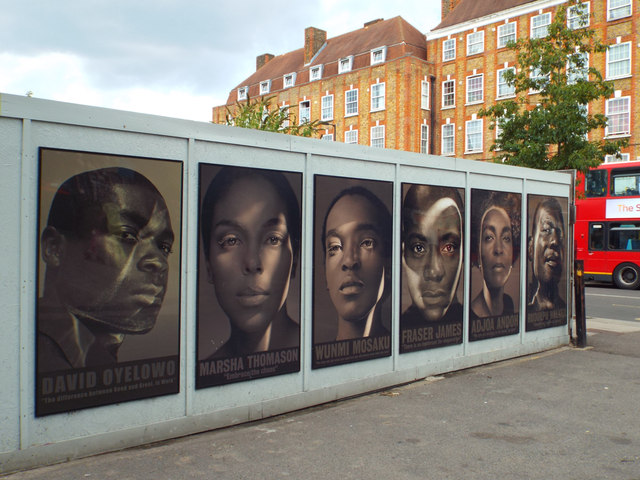
The public realm in London encompasses all the outdoor and publicly accessible spaces that shape the city’s character and daily life. This includes streets, pavements, parks, squares, waterways, and publicly owned or accessible open spaces. Far more than just open areas, the public realm is where social interaction, cultural expression, economic activity, and movement converge.
Its quality directly impacts the liveability, sustainability, and economic vitality of London. A well-designed and managed public realm fosters community, enhances well-being, supports local businesses, and contributes to the city’s identity. Conversely, neglected or poorly planned spaces can lead to fragmentation, safety concerns, and reduced quality of life.
Components of London’s Diverse Public Realm
London’s public realm is incredibly diverse, reflecting its rich history and dynamic growth. Understanding these components is crucial for effective urban planning and appreciating the city’s fabric. Key components include:
Streets and Pavements: These form the most extensive part of the public realm, facilitating movement for pedestrians, cyclists, and vehicles. Beyond mere thoroughfares, they also serve as vital social spaces, hosting markets, street performers, and casual encounters.
Parks and Green Spaces: Ranging from vast Royal Parks to intimate neighbourhood gardens, these spaces provide essential ecological benefits, opportunities for recreation, and vital respite from urban density. They contribute significantly to air quality and biodiversity.
Squares and Plazas: Often acting as civic focal points, these areas are designed for gathering, events, and public expression. Iconic examples like Trafalgar Square and Parliament Square demonstrate their role in London’s public life.
Waterways: The River Thames, its numerous canals, and docks offer unique public access and recreational opportunities, connecting different parts of the city and providing distinct ecological corridors.
Publicly Accessible Private Spaces (PAPS): These are spaces within private developments that, through planning agreements, are made available for public use. They extend the public realm, though their management and accessibility often differ from fully public spaces.
Governance and Management: A Multi-Layered Approach
The governance of London’s public realm is complex, involving multiple layers of authority and numerous stakeholders. This intricate web ensures both strategic oversight and local responsiveness.
Greater London Authority (GLA): The GLA sets overarching strategies and policies through the London Plan. This document influences design standards, accessibility requirements, and environmental considerations across the city, providing a strategic framework for public realm development.
Transport for London (TfL): As the integrated transport authority, TfL manages major roads (known as Red Routes), public transport infrastructure, and plays a significant role in street design, pedestrian improvements, and cycling networks.
London Boroughs: Each of London’s 32 boroughs, along with the City of London, holds primary responsibility for the majority of local streets, parks, and public spaces within their boundaries. This includes planning applications, maintenance, and local public realm strategies.
Other Bodies: Specific significant green spaces, such as Richmond Park, are managed by organisations like The Royal Parks. Additionally, various trusts, community groups, and business improvement districts manage smaller local areas, often with a focus on specific community needs.
Key Principles of Effective Public Realm Design
Effective public realm design in London adheres to several core principles, which are often outlined in GLA and borough planning documents. These principles aim to create spaces that are not only functional but also enhance the quality of urban life.
Accessibility: Spaces must be usable by all individuals, regardless of age, ability, or mobility. This includes implementing step-free access, tactile paving, clear wayfinding, and accessible street furniture.
Safety and Security: Design interventions should ensure that spaces feel safe and welcoming at all times. This is achieved through good lighting, clear sightlines, active frontages that promote natural surveillance, and appropriate landscaping.
Legibility and Wayfinding: Creating spaces that are easy to navigate and understand is paramount. Clear landmarks, consistent signage, and intuitive spatial arrangements help users orient themselves and move through the city with ease.
Sustainability and Green Infrastructure: Integrating green elements, such as trees, planting, and sustainable drainage systems (SuDS), promotes biodiversity and enhances environmental resilience. This mitigates urban heat island effects and improves air quality.
Placemaking: This principle focuses on creating distinctive, identity-rich places that foster a sense of belonging and encourage social interaction. Successful placemaking considers local context, history, and the specific needs and aspirations of the community.
Flexibility and Adaptability: Designing spaces that can accommodate a range of uses and evolve over time is crucial for long-term relevance. This includes adaptable furniture, multi-functional areas, and infrastructure that can support future technological changes.
Challenges and Future Directions for London’s Public Realm
London’s public realm faces ongoing challenges, including pressure from intensive development, the need to maintain quality amidst budget constraints, and the imperative to adapt to climate change. Future directions for its evolution focus on several key areas:
Net Zero Goals: Integrating more green infrastructure and prioritising sustainable transport options like walking and cycling are central to achieving London’s net zero carbon targets.
Health and Well-being: Public realm design increasingly prioritises health outcomes by encouraging active travel, providing access to nature, and creating spaces for relaxation and social interaction.
Digital Integration: Leveraging technology for better management, real-time information dissemination, and interactive experiences within public spaces is an emerging trend.
Community Engagement: Involving local residents and businesses more deeply in the design, stewardship, and ongoing management of their public spaces ensures that interventions are locally relevant and genuinely meet community needs.
Practical Design Considerations for Public Realm Projects
When undertaking public realm projects in London, various practical design considerations come into play. These elements collectively contribute to the functionality, aesthetics, and user experience of a space.
| Aspect | Description | Key Objectives |
|---|---|---|
| Materiality | Choice of paving, street furniture, lighting fixtures, and planting schemes. | Durability, aesthetic appeal, reflection of local character, sustainability, ease of maintenance. |
| Movement & Access | Design of pedestrian routes, cycle networks, vehicle traffic flow, and public transport links. | Smooth flow for all users, safety, prioritising active travel (walking/cycling), inclusivity for diverse abilities. |
| Green Infrastructure | Integration of trees, planting, sustainable urban drainage (SuDS), and biodiversity features. | Improved air quality, urban cooling, flood mitigation, habitat creation, enhanced amenity value. |
| Active Frontages | How buildings interface with the public space, encouraging interaction and surveillance. | Enhanced safety, vibrancy, support for economic activity, pedestrian interest and engagement. |
| Public Art & Culture | Integration of public art installations, performance spaces, and cultural elements. | Creation of distinct identity, fostering civic pride, cultural enrichment, offering unique experiences. |
Understanding London’s public realm is crucial for anyone involved in urban planning, development, or simply interested in the city’s future. Its continued evolution is central to maintaining London’s status as a leading global city and ensuring a high quality of life for its residents and visitors. For professionals and community groups looking to engage with or influence public realm projects, consulting the Greater London Authority’s London Plan and Transport for London’s Streetscape Guidance, available on their official websites, provides essential policy frameworks and design principles. Additionally, exploring individual borough public realm strategies will offer insights into local priorities and opportunities.
Source:
Greater London Authority (GLA). The London Plan. Available at: https://www.london.gov.uk/what-we-do/planning/london-plan
Transport for London (TfL). Streetscape Guidance. Available at: https://tfl.gov.uk/info-for/urban-planning-and-construction/design-standards
Historial de cambios
Ultima revision y actualizacion: 22 July 2026.
Latest related updates
Washington state election result has no London planning consequence — item held for review
An Urbanist report on Democratic gains in the Washington State House is being held rather than published: it concerns US state electoral…
Read update
Record Campaign Spending in Washington State Prompts Questions About Money in Local Planning Politics
A Seattle specialist outlet reports unprecedented corporate and billionaire spending ahead of the 2026 US midterms, including a Microsoft-backed PAC targeting a…
Read update
Post-storm waste collection is a resilience test London boroughs cannot schedule
A look at how two US cities treated storm debris clearance as a pre-planned system rather than an emergency scramble, and what…
Read update
Chicago’s sewage overflows are a warning for London’s combined sewers
Chicago's Racine Avenue pumping station has discharged more than 10 billion gallons of combined sewage into the Chicago River this year, despite…
Read update