
The Future of London’s High Streets: Adapting to E-commerce and Changing Consumer Habits
London's high streets are at a crossroads, facing unprecedented challenges from online retail and evolving consumer expectations. This column explores the innovative strategies and policy shifts needed to ensure their continued vitality.
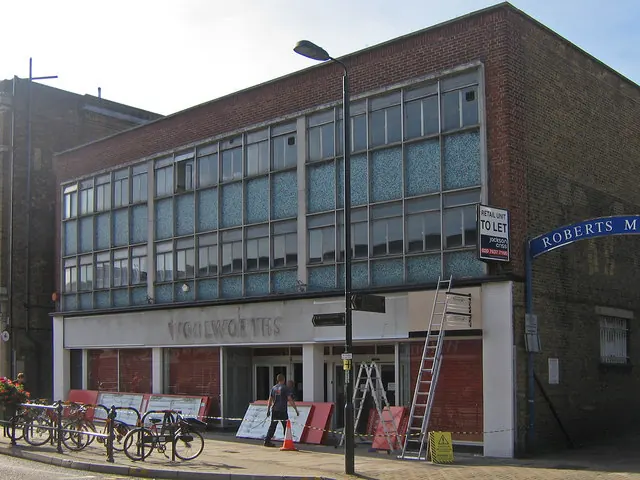
London’s high streets, the traditional arteries of commerce and community life, are facing a period of profound transformation. The relentless rise of e-commerce, coupled with a shift in consumer behaviour towards experiences over mere transactions, presents a complex challenge. Yet, this also offers a unique opportunity for reimagining these vital urban spaces to serve Londoners more effectively in the 21st century. This column delves into the multifaceted pressures on London’s high streets and examines the adaptive strategies required to ensure their future relevance and prosperity.
Why This Matters
High streets are more than just places to shop; they are integral to the social fabric and economic health of London’s diverse neighbourhoods. They provide local employment, foster community interaction, and contribute to the unique character of each borough. The decline of traditional retail models, accelerated by the pandemic, has led to increased vacancies and a questioning of the long-term viability of many high street locations. Failure to adapt risks not only economic stagnation but also the erosion of neighbourhood identity and accessibility to essential goods and services. The ongoing evolution of consumer habits, with a growing demand for convenience, sustainability, and personalised experiences, necessitates a fundamental rethinking of what high streets can and should offer.
What Sources Show
Data from the Greater London Authority (GLA) and various borough councils consistently highlight rising retail vacancy rates across London. A 2023 report by the London Retail Data Partnership indicated a significant increase in vacant commercial units, particularly those formerly occupied by independent retailers and larger chain stores. Transport for London (TfL) data also suggests a potential shift in commuter patterns and leisure travel, impacting footfall in certain areas.
Consultations and policy documents from the GLA and individual boroughs reveal a growing recognition of the need for diversification. Strategies often include encouraging a mix of uses beyond retail, such as residential, leisure, cultural, and community facilities. For instance, the London Plan’s emphasis on vibrant and inclusive neighbourhoods supports this diversification. Planning committee papers from boroughs like Camden and Hackney show a trend towards approving applications that incorporate co-working spaces, maker studios, and food and beverage establishments alongside traditional retail.
Specialist urbanism publications, such as “Urban Design Journal” and “The Planner,” frequently feature case studies of successful high street regeneration projects. These often highlight initiatives like:
- Pop-up shops and meanwhile uses: Temporary activations to fill vacant spaces, test new concepts, and maintain vibrancy.
- Marketplace revitalisation: Enhancing traditional markets to attract new vendors and shoppers, often integrating them with surrounding retail.
- Public realm improvements: Investing in street furniture, green spaces, and pedestrian-friendly infrastructure to make high streets more attractive and accessible.
- Support for independent businesses: Borough-led initiatives offering grants, business advice, and promotion for local entrepreneurs.
A 2022 analysis by the Centre for Cities noted that high streets that have successfully adapted often possess a strong sense of local identity and are actively supported by local authorities through flexible planning and targeted investment.
Competing Readings
One perspective is that the challenges are insurmountable, and the traditional high street model is in terminal decline, necessitating a radical shift towards primarily residential or mixed-use developments with minimal retail components. This view often points to the inherent cost advantages of online retail and the difficulty of competing on price and convenience.
Another reading suggests that while e-commerce presents a significant challenge, it also creates opportunities for high streets to evolve into experience hubs. This perspective argues that physical retail can thrive by offering unique in-person experiences, personalised services, and community engagement that online platforms cannot replicate. This could include immersive retail concepts, workshops, local artisan showcases, and vibrant food and drink offerings.
A third view focuses on the role of technology and data. Proponents of this reading believe that leveraging data analytics can help understand consumer behaviour, optimise retail offerings, and improve the overall customer journey on the high street. This involves using technology for everything from smart parking solutions to personalised marketing within physical retail environments.
What Remains Unclear
The precise balance between different uses (retail, residential, leisure, community) that will constitute the optimal high street model for various London neighbourhoods remains an open question. The long-term economic viability of a significantly reduced retail footprint, and how to fund essential public realm maintenance and improvements in such a scenario, also requires further clarity. Furthermore, the equitable distribution of these changes is crucial; ensuring that regeneration benefits existing communities and does not lead to displacement or a loss of affordable services is a key concern that requires ongoing attention and robust policy. The impact of remote working trends on the diurnal rhythms and footfall patterns of different types of high streets (e.g., commuter hubs versus neighbourhood centres) also warrants deeper investigation.
Practical Checks for Londoners
- Engage with local planning: Attend borough planning meetings and respond to consultations regarding your local high street.
- Support local businesses: Prioritise shopping at independent retailers and local service providers.
- Explore new offerings: Visit markets, pop-up events, and businesses that are experimenting with new retail or experiential models.
- Provide feedback: Share your experiences and suggestions with local businesses and borough councils.
- Advocate for public realm improvements: Voice your support for investments in green spaces, pedestrian safety, and community facilities on your high street.
The future of London’s high streets is not predetermined. Through a combination of innovative policy, creative business adaptation, and active community engagement, these vital urban centres can be revitalised to meet the demands of a changing world, remaining vibrant and essential parts of London life.
Related updates
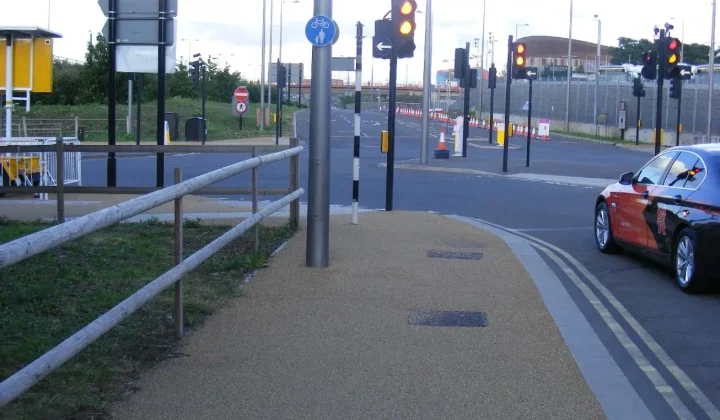
US DOT road safety plan targets congestion and AV strategy, with implications for London’s Vision Zero approach
The US Department of Transportation’s 2026 National Roadway Safety Strategy prioritises rural and tribal communities and advanced technology to cut preventable crashes.…
Read update
Why the predicted Portland ‘Carmaggedon’ never arrived — and what London can learn about traffic evaporation
A month-long closure of a mile-long section of I-5 in Portland was forecast to triple commute times. Instead, morning peak journeys increased…
Read update
What the fall of Angkor reveals about the risks of low-density urban sprawl
A new analysis of the fall of Angkor, the ancient Khmer capital, draws parallels between its sprawling, low-density infrastructure and the vulnerabilities…
Read update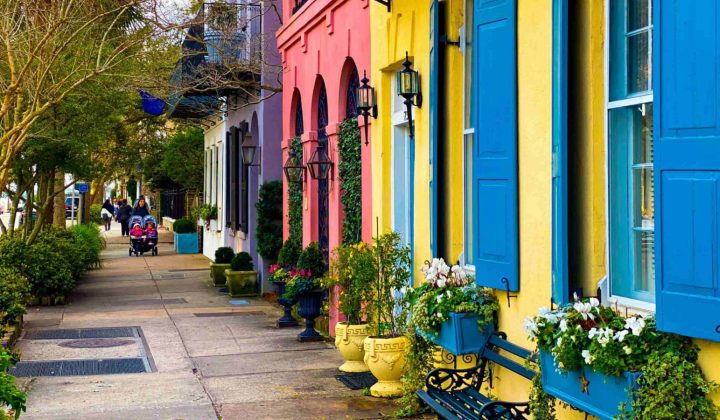
Why urban beauty matters for community wellbeing and civic pride
Research and everyday experience show that beautiful places foster stronger communities, better mental health, and greater civic engagement. What can London learn…
Read updateWiki relacionada
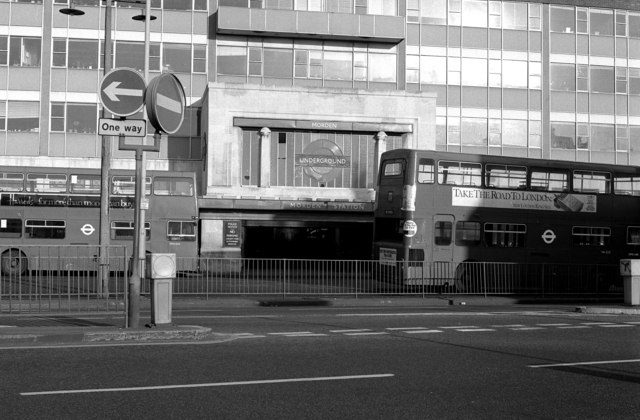
Transport for London: The Backbone of Transit, Street and Service Reporting
Transport for London (TfL) is the UK’s most comprehensive source for transit data, street management and service-quality reporting. This reference page explains…
Read update
Transport for London: The Backbone of Transit, Street and Service Reporting
Transport for London (TfL) operates the city’s buses, Tube, trams, river services, roads and cycling infrastructure. This reference page explains how TfL…
Read update
Understanding the London Plan: A Guide to the Capital’s Spatial Development Strategy
The London Plan sets the strategic framework for development, housing, transport and the public realm across the capital. This guide explains its…
Read update
Transport for London as a Source for Transit, Street and Service-Quality Reporting
Transport for London is one of the most comprehensive urban data providers in the world. This reference page explains how journalists, planners…
Read update