
Chicago Transit Oversight Hearing Falters as Aldermen Skip Crucial CTA Update
A mandated quarterly hearing on Chicago's public transit system was cut short due to a lack of quorum, preventing public questioning of CTA leadership on service improvements and an upcoming regional governance transition.
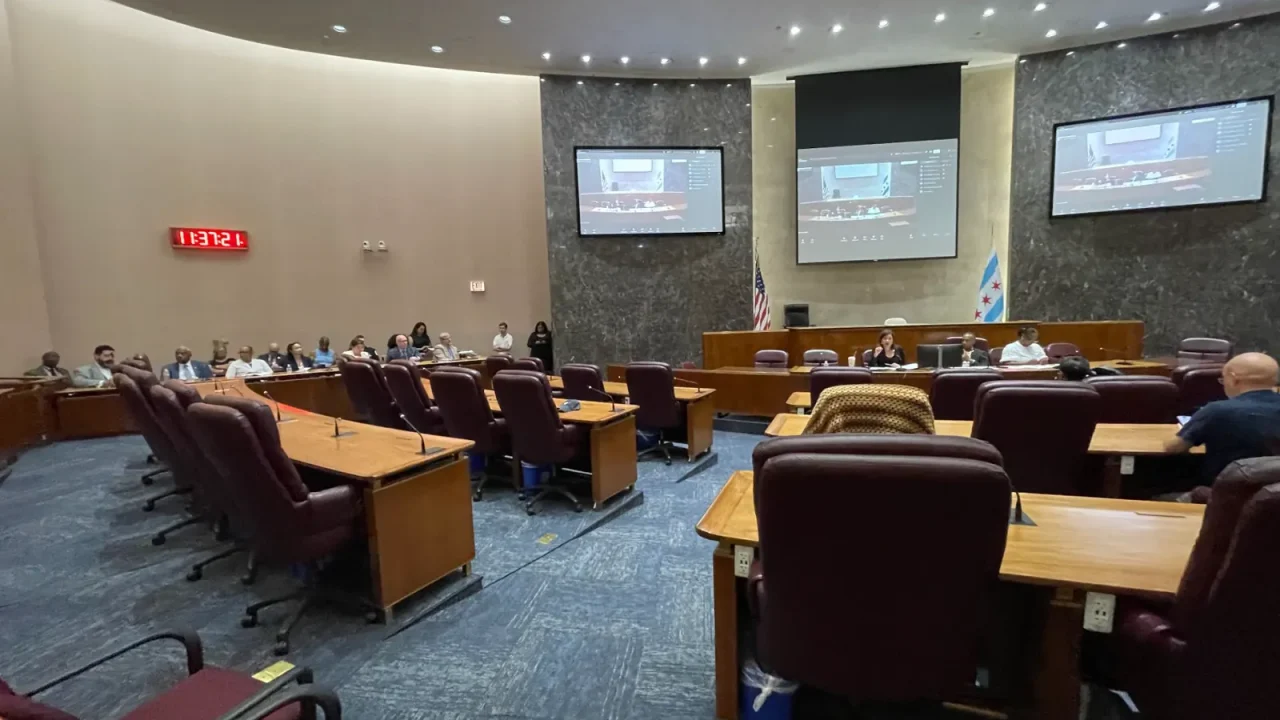
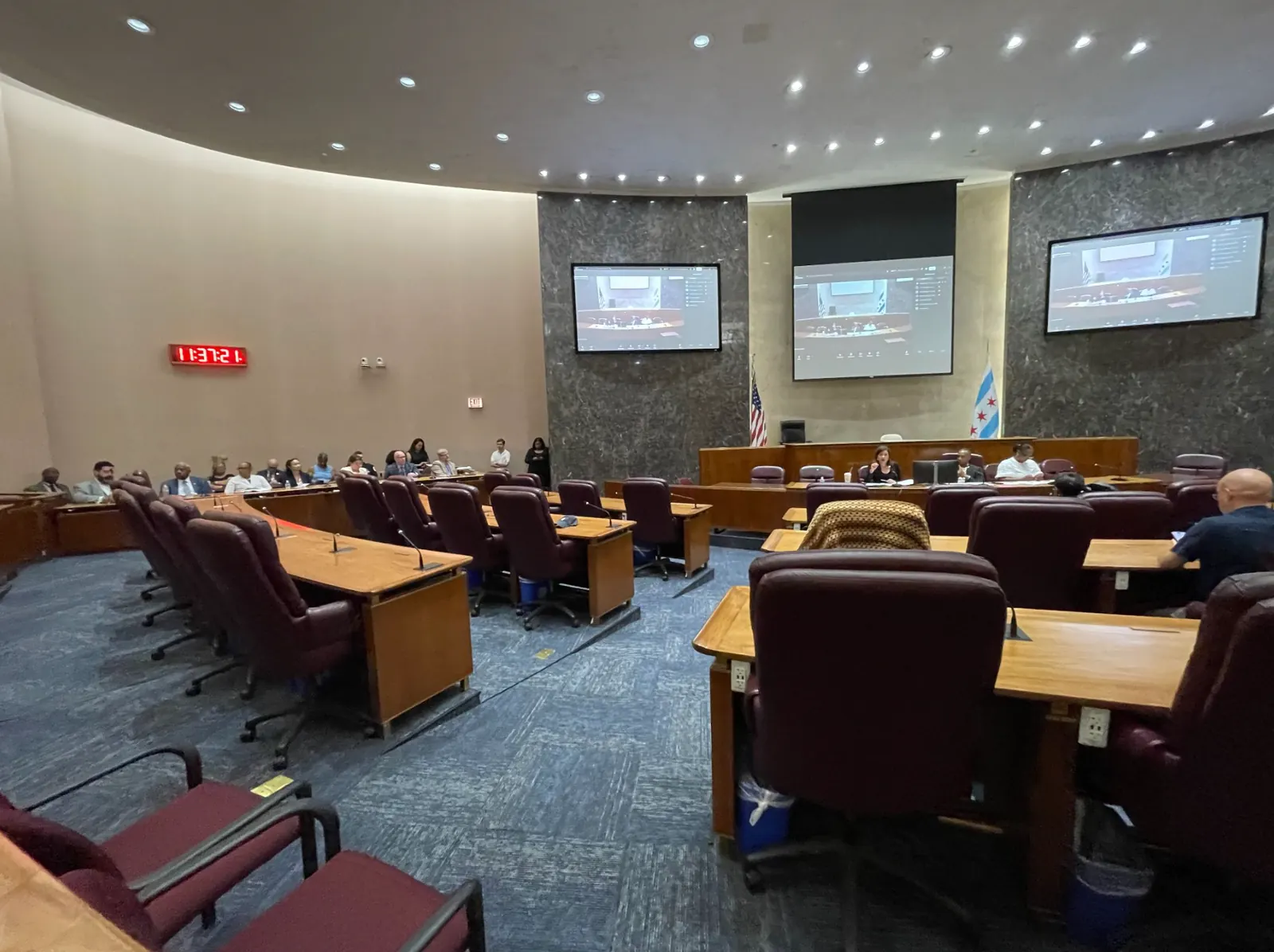
A legally mandated quarterly hearing for the Chicago Transit Authority (CTA) was abruptly adjourned this week due to a failure to achieve a quorum, leaving advocates and some city officials frustrated. The Committee on Transportation and Public Way, composed of 14 aldermen, required at least half its members to be present for its oversight meeting. However, after an initial presentation by CTA Acting President Nora Leerhsen, committee chair Ald. Greg Mitchell (7th) announced that a quorum had not been established and adjourned the session before any questions could be posed by council members.
This lack of attendance prevented aldermen from publicly questioning CTA leadership on a range of critical issues, including service performance, safety initiatives, ridership gains, and the agency’s impending transition into the new Northern Illinois Transit Authority (NITA) governance structure. The CTA faces a significant shift with the implementation of the NITA Act, which aims to provide substantial funding and reshape regional transit governance across Chicagoland and downstate Illinois.
Service and Ridership Gains Reported
Despite the procedural setback, CTA Acting President Nora Leerhsen presented what she described as positive developments across several fronts. Ridership is reportedly at its highest level in six years, with bus ridership reaching 90 percent of pre-pandemic figures. On an average weekday, the CTA now sees over 1.1 million rides, and weekend ridership has exceeded 2019 levels.
Staffing levels have also seen a significant increase, reaching their highest point in over six years with more than 11,500 employees. The agency boasts nearly 400 more full-time bus operators than in 2019 and has retained 96 percent of its pre-pandemic rail operators. Leerhsen indicated that these staffing improvements are directly contributing to enhanced service reliability.
The CTA reported delivering 99.6 percent of scheduled bus service year-to-date. The agency’s Frequent Bus Network, comprising 20 routes designed for 10-minute or less headways, is meeting its targets approximately 90 percent of the time. Large gaps between buses, a common rider complaint, are now occurring only 3.6 percent of the time, the lowest in five years, with Leerhsen stating that “widespread ghost bus complaints” are a thing of the past. Customer complaints regarding bus delays have reportedly dropped by 80 percent since the pandemic’s peak.
On the rail side, major delays exceeding 10 minutes are at a seven-year low, representing a nearly 30 percent decrease from the previous year. Rail delay complaints have also fallen by nearly 90 percent from pandemic-era levels.
Safety Improvements Highlighted
Safety was another key focus of Leerhsen’s presentation. Crime statistics for May 2026 showed a 40 percent systemwide drop in serious crime compared to May 2025, with violent crime falling by 33 percent and property crime halved. The Red Line, in particular, saw a 50 percent reduction in overall crime and a 77 percent decrease in violent crime.
These improvements were attributed to increased collaboration with the Chicago Police Department, including over 500 Transit Rider Interaction Program missions this year. These missions involve police teams boarding trains and inspecting cars at high-incident stations. Additional efforts include concentrated overnight Red Line coverage, Cook County sheriff deployments, bus-focused police missions, and a new partnership with the Cook County State’s Attorney’s Office.
Leerhsen also addressed concerns about smoking on transit, reporting that over 6,000 smoking tickets have been issued since early 2025, leading to a 40 percent reduction in smoking complaints from their 2024 peak.
Regional Transit Transition Underway
The lack of a quorum occurred at a critical juncture for regional transit governance. The Northern Illinois Transit Authority Act, passed last year, allocates $1.5 billion annually to transit agencies in the region and establishes a new governance framework, replacing the existing Regional Transportation Authority (RTA). Leerhsen expressed optimism that this legislation positions the CTA, Metra, and Pace for future growth and stability.
However, the failure to convene the oversight hearing meant aldermen could not press CTA leadership for details on the agency’s specific needs and priorities within the new NITA structure. Board appointments for the new authority are approaching, with Cook County Board President Toni Preckwinkle reportedly having already proposed several director candidates.
Advocates’ Disappointment
Transit advocates expressed significant disappointment with the aldermen’s absence. Kyle Lucas, Executive Director of Better Streets Chicago, called the failure to reach quorum for the second consecutive quarter “insulting and utterly unacceptable.” He emphasized that the hearing should have been an opportunity for City Council members to engage with CTA leaders on critical transition issues, especially as they will soon be involved in approving NITA board appointments, which require confirmation by September 1.
Ald. Andre Vasquez, a vocal proponent of transit improvements, criticized the lack of attendance, stating, “It’s unfortunate that we’ve got colleagues that are ghosting CTA. We’re talking about how much we care about trains and improving it, and this is the second time for us not to have quorum. We need to do better for Chicago.” The phrase “ghosting CTA” echoed a previous protest by Vasquez, who wore a ghost costume to a council meeting in 2022 to highlight the absence of then-CTA chief Dorval Carter from hearings.
Lucas concluded, “Instead of a CTA train or bus ghosting riders, City Council ghosted taxpayers.” He argued that public servant accountability is paramount, especially during periods of significant institutional change.
The absence of council members means that important rider concerns, such as slow zones, bus speeds, ADA accessibility, worker safety, and overall rider confidence, could not be directly addressed or questioned in a public forum. The CTA presented data suggesting improvements, but the oversight mechanism designed to hold the agency accountable was bypassed due to the lack of aldermanic participation.
Key facts
| Aspect | Detail |
|—|—|
| Meeting Type | CTA Quarterly Oversight Hearing |
| Committee | City Council’s Committee on Transportation and Public Way |
| Quorum Failure | Second time this year; required 7 members, but fewer attended |
| CTA Presentation Highlights | Ridership at 6-year high, staffing at 6-year high, service reliability improvements, crime reduction |
| Upcoming Transition | CTA moving under Northern Illinois Transit Authority (NITA) governance |
| Advocate Concern | Lack of accountability and opportunity to question CTA leadership on transition needs |
This event underscores a recurring challenge in urban governance: ensuring active participation from elected officials in crucial oversight processes. While the CTA presented data indicating positive trends in service and safety, the inability of the public and council members to engage in a question-and-answer session limits transparency and public trust. The transition to NITA represents a significant shift for Chicago’s transit future, and robust oversight is essential to ensure the agency effectively serves its riders and taxpayers.
Source: Streetsblog Chicago – https://chi.streetsblog.org/2026/07/02/as-nita-transition-approaches-many-alders-ghosted-that-cta-oversight-hearing-colleagues-and-advocates-called-that-insulting-and-utterly-unacceptable
Datos clave
| Punto | Detalle |
|---|---|
| Fuente | Streetsblog Chicago |
| Fecha | 2026-07-02T23:22:57+00:00 |
| Tema | As NITA transition approaches, many alders “ghosted” the CTA oversight hearing. Colleagues and advocates called that “in |
Fuente
Streetsblog Chicago Publicacion original: 2026-07-02T23:22:57+00:00
Related updates

When zoning reform meets private covenants: the HOA obstacle to backyard cottages
As more US cities rewrite zoning rules to allow accessory dwellings, private homeowners’ association covenants remain a barrier that reform alone cannot…
Read update
Seattle-Area Race Highlights Diverging Approaches to Housing, Transit and Tech Taxation
A Washington State legislative race in the 32nd District pits incrementalism against urgency on housing supply, transit funding and tech regulation, with…
Read update
New York court ruling on sanctuary policies carries implications for city-level immigration enforcement across the US
A federal judge has dismissed the Trump administration’s attempt to override New York City’s restrictions on immigration enforcement cooperation, citing state sovereignty.…
Read update
Automated license plate readers raise privacy, contract and oversight questions for UK cities
A new US-focused analysis of automated license plate recognition cameras highlights contract, privacy and oversight issues that London boroughs and Transport for…
Read updateWiki relacionada

Urban Planning Terms: Density, Public Realm and Transit-Oriented Development
A living glossary for terms that appear again and again in planning and development stories.
Read update