Uptown Greenway Bridge Repairs Drag into 17th Year with No End in Sight
A crucial pedestrian and bike bridge on Manhattan's Hudson River Greenway has been undergoing repairs for 17 years, with a full replacement timeline still absent, frustrating local advocates and jeopardising a vital cycling link.
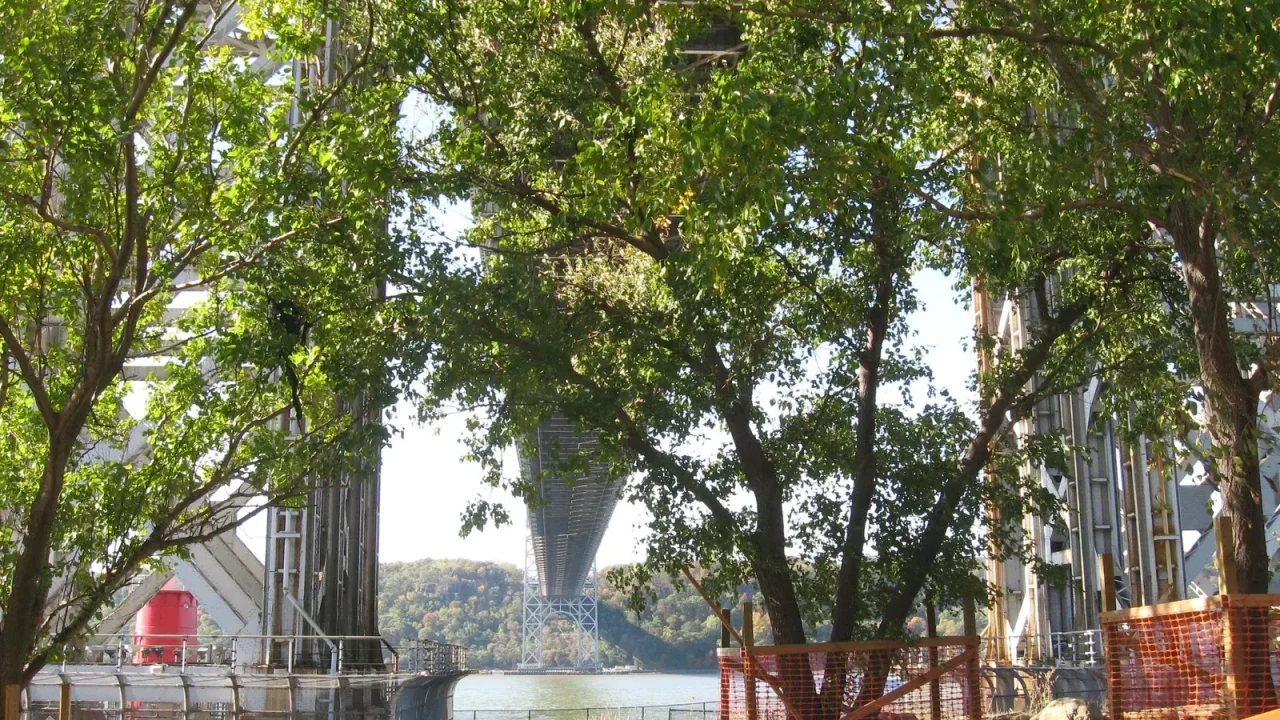
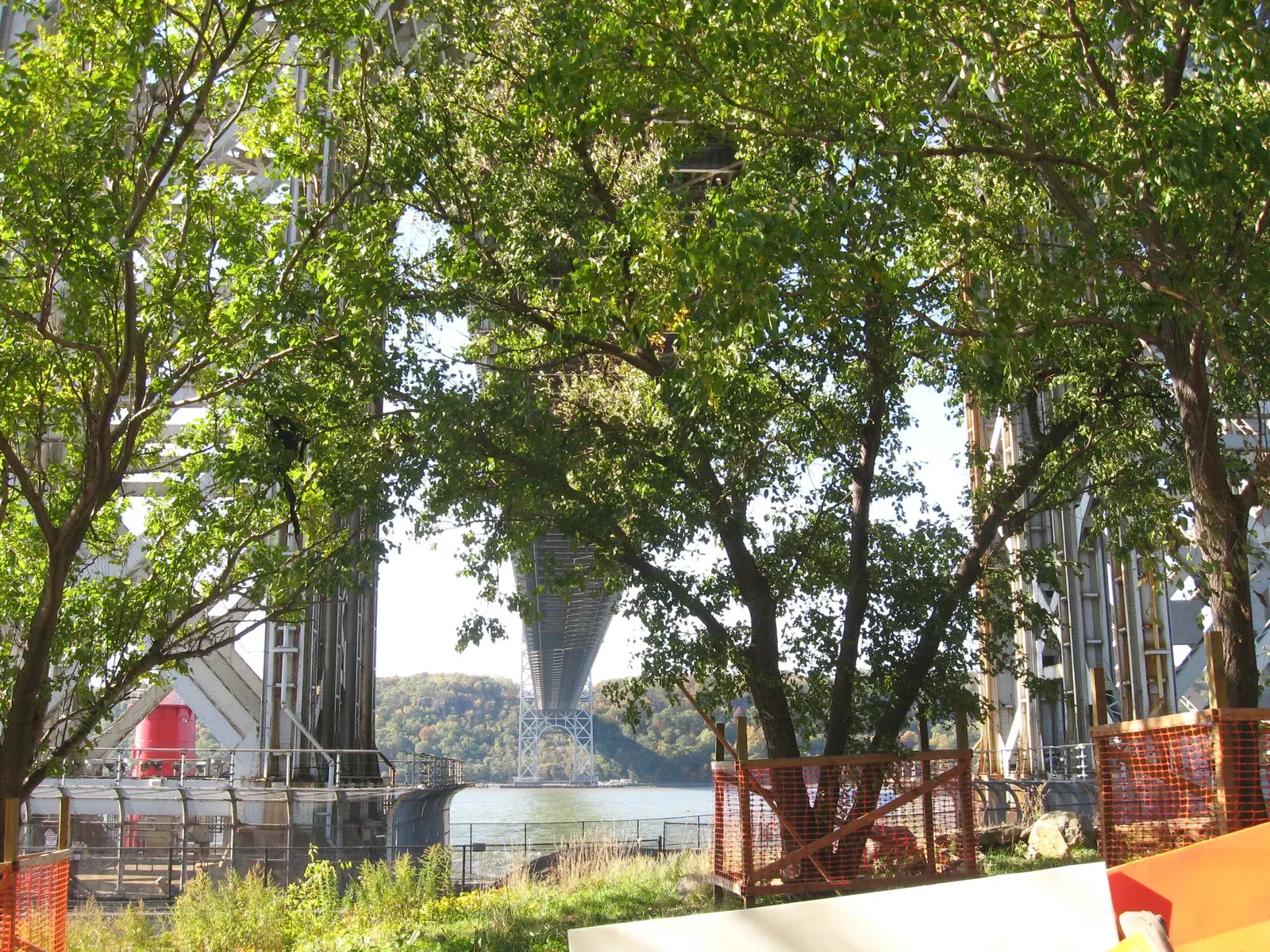
The Fort Washington Park Bridge, a small but vital pedestrian and cycle overpass on New York City’s busiest bike path, the Hudson River Greenway, has entered its 17th year of repair work with no clear end date. The bridge, spanning just 80 feet over Amtrak railroad tracks near W. 180th Street in northern Manhattan, was slated for a significant upgrade under a Bloomberg-era redesign to replace its rotting wood planks with steel and concrete. However, three mayoral administrations later, the project remains stalled, causing significant frustration for local residents and cycling advocates.
A Vital Link Under Threat
The Fort Washington Park Bridge serves as a critical north-south artery for cyclists and pedestrians in an area where alternative safe routes are scarce. Its prolonged disrepair not only inconveniences users but also raises safety concerns. Allegra LeGrande, an Inwood resident and cycling advocate, expressed her dismay: “That was supposed to be fixed before my daughter, who is a senior in high school, was born. It’s just crazy.” The bridge’s deterioration has reached a point where its continued use is threatened, potentially leading to the closure of this essential connector.
Bureaucratic Drift and Shifting Responsibilities
The project, initially a $5 million capital initiative led by the Parks Department, was transferred to the Department of Transportation (DOT) six years ago. The DOT was expected to commence work in 2023, but this deadline was missed. Adding to the confusion, the DOT’s press office recently redirected inquiries about the project’s status back to the Parks Department when approached by Streetsblog.
Parks Department spokesperson Kelsey Jean-Baptiste confirmed that “immediate” repairs to the planks are planned for the upcoming busy summer season, following recent images of the bridge’s poor condition. While the design for a complete replacement is reportedly “underway,” a definitive timeline has not been published. Jean-Baptiste noted that responsibilities within the project “may shift” as it progresses from design to planning and construction phases. The previous design, intended for completion by 2015, was abandoned due to “significant challenges for construction.” The Parks Department’s public project tracker currently lists the replacement project at 0 percent completion.
For context, the construction of the historic Brooklyn Bridge, a far more substantial undertaking, took 14 years. The Fort Washington Park Bridge has, in the past, been temporarily closed due to its dangerously decayed timber flooring. During these repair periods, cyclists have often been rerouted onto neighbourhood streets, which lack adequate safe cycling infrastructure.
Greenways: An Afterthought?
Greenways are increasingly recognised as crucial corridors for both recreation and transportation. However, successive city administrations have reportedly treated them as secondary priorities. In northern Manhattan alone, the Parks Department has had to close various sections of the Hudson River Greenway in recent years due to disrepair, sometimes multiple sections concurrently. This includes closures of Cherry Walk and the segment running alongside the Henry Hudson Parkway north of the George Washington Bridge.
This pattern of dysfunction in the city’s uptown greenways has spurred advocates from Transportation Alternatives to launch a campaign calling for increased city investment in lasting solutions. The group aims to ensure the Hudson River Greenway in the north of Manhattan is as well-maintained as its counterparts downtown, which are considered among the best in the world. Anna Berlanga, the group’s uptown and Bronx organiser, described the northern sections as the “neglected little brother” to the southern parts of the greenway, with some areas being “downright dangerous.”
Berlanga urged Mayor Mamdani to fulfil his commitment to effective governance by addressing these repairs and providing genuinely safe detours during construction. She also suggested exploring the connection of an existing path that currently leads nowhere along the waterfront south of Dyckman Street, linking it to the waterfront path near the Little Red Lighthouse.
Funding Challenges and Project Speed
The underlying issue, according to Berlanga, is the chronic underfunding of the city’s Parks Department. “We want to be partners with New York City Parks and we want to make sure they have the tools aka money to be able to deliver high quality service to the people uptown,” she told Streetsblog. Mayor Mamdani recently allocated $96 million for new greenway construction over five years. While this is a notable investment, Berlanga argued that the city needs to find ways to expedite ongoing projects—citing another greenway on Third Avenue that recently concluded after a lengthy 14-year construction period—and ensure proper maintenance of the existing network. “I wish that Mamdani would go after whatever this broken process is with gusto,” LeGrande added.
Transportation Alternatives is set to launch its Fort Washington Greenway campaign on Friday, July 10, at 5:30 p.m. at the Little Red Lighthouse.
Key facts
| Aspect | Detail |
|---|---|
| Project | Fort Washington Park Bridge replacement on Hudson River Greenway |
| Location | Northern Manhattan, near W. 180th Street, over Amtrak railroad tracks |
| Duration of Repairs | 17 years and ongoing |
| Initial Project Scope | Replace rotting wood planks with steel and concrete |
| Current Status | Design underway, immediate plank repairs planned, 0% completion reported |
| Estimated Cost (Initial) | $5 million |
| Agencies Involved | NYC Parks Department, NYC Department of Transportation (DOT) |
The prolonged delays in replacing the Fort Washington Park Bridge highlight systemic issues within New York City’s public works project management, impacting essential transportation infrastructure. The neglect of greenway maintenance, particularly in underserved areas, raises questions about equitable investment in the city’s public realm and climate resilience, as these corridors play a role in active transportation and can contribute to urban cooling. The current situation underscores the need for more efficient project delivery, adequate funding, and a clear commitment to maintaining and upgrading the city’s vital cycling and pedestrian networks.
Source: Streetsblog NYC, https://nyc.streetsblog.org/2026/07/01/uptown-greenway-bridge-repairs-enters-year-17-with-no-end-in-sight
Fuente
Streetsblog NYC Publicacion original: 2026-07-01T04:05:00+00:00
Related updates
When zoning reform meets private covenants: the HOA obstacle to backyard cottages
As more US cities rewrite zoning rules to allow accessory dwellings, private homeowners’ association covenants remain a barrier that reform alone cannot…
Read update
Seattle-Area Race Highlights Diverging Approaches to Housing, Transit and Tech Taxation
A Washington State legislative race in the 32nd District pits incrementalism against urgency on housing supply, transit funding and tech regulation, with…
Read update
New York court ruling on sanctuary policies carries implications for city-level immigration enforcement across the US
A federal judge has dismissed the Trump administration’s attempt to override New York City’s restrictions on immigration enforcement cooperation, citing state sovereignty.…
Read update
Automated license plate readers raise privacy, contract and oversight questions for UK cities
A new US-focused analysis of automated license plate recognition cameras highlights contract, privacy and oversight issues that London boroughs and Transport for…
Read updateWiki relacionada

Urban Planning Terms: Density, Public Realm and Transit-Oriented Development
A living glossary for terms that appear again and again in planning and development stories.
Read update