
The Future of London’s High Streets: Adapting to Evolving Consumer Habits and Urban Demands
London's high streets are at a crossroads, facing unprecedented challenges from online retail and changing lifestyles. This column explores the innovative strategies and policy shifts needed to ensure their vibrancy and relevance for the future.
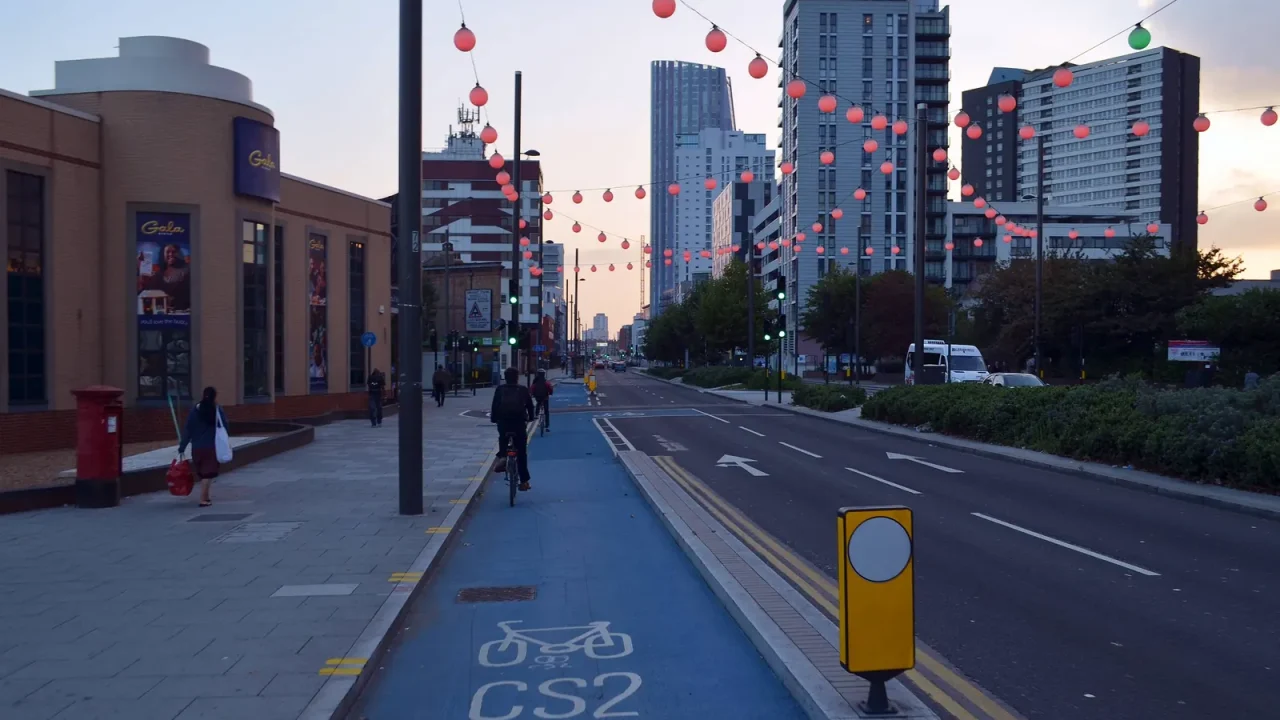
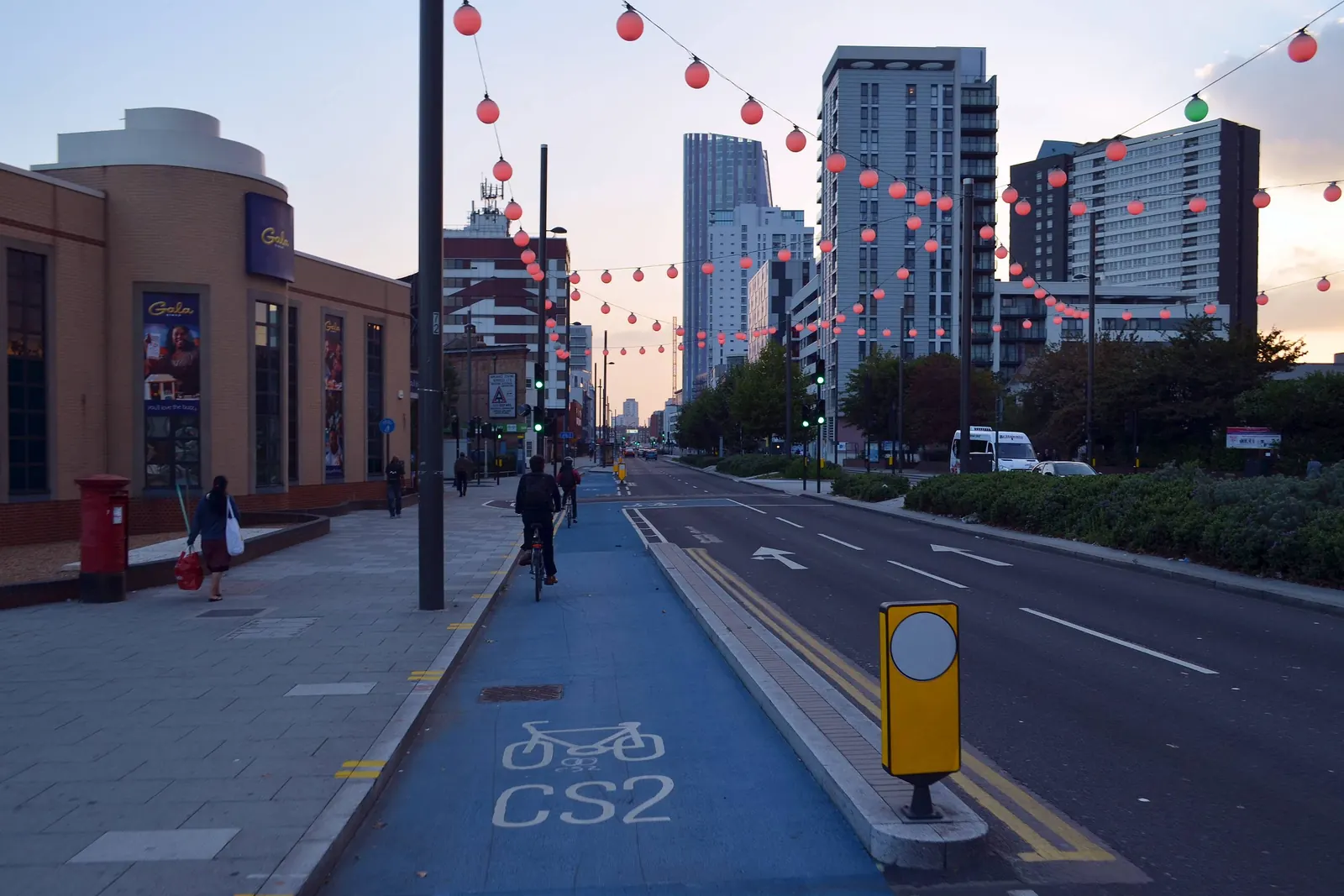
London’s high streets, the traditional arteries of commerce and community life, are facing a period of profound transformation. The seismic shift towards online shopping, coupled with evolving consumer expectations and the lingering effects of recent global events, has placed these vital urban spaces under considerable pressure. Yet, this period of challenge also presents a unique opportunity for innovation and adaptation, paving the way for a more resilient, diverse, and people-centric future for London’s retail heartlands.
Why it Matters
The health of London’s high streets is intrinsically linked to the economic and social well-being of the city. They are not merely places for transactions but also crucial hubs for social interaction, employment, and local identity. A thriving high street contributes to a sense of place, fosters community cohesion, and supports a diverse ecosystem of businesses, from independent retailers to essential local services. Conversely, declining high streets can lead to increased vacancy rates, reduced footfall, and a diminished sense of local pride, impacting the quality of life for residents across the capital. The current challenges demand a proactive and strategic response to ensure these spaces continue to serve Londoners effectively.
What Sources Show
Analysis of recent trends and policy discussions reveals a multi-faceted picture of London’s high street landscape. Data from the Greater London Authority (GLA) and various borough councils consistently highlight rising retail vacancy rates in certain areas, particularly those heavily reliant on traditional retail models. A report by the London Datastore indicates a significant increase in e-commerce penetration, a trend accelerated by the pandemic. This has directly impacted the viability of brick-and-mortar stores, especially those selling non-essential goods.
However, the narrative is not entirely bleak. Specialist urbanism publications and research groups point to a growing demand for experiential retail and services that cannot be replicated online. This includes cafes, restaurants, leisure facilities, and community spaces. Several London boroughs, such as Hackney and Islington, have been piloting initiatives to diversify the use of high street units, encouraging pop-up shops, creative studios, and community services to fill vacant spaces. Transport for London (TfL) data also suggests that while shopping patterns have changed, public transport usage to town centres remains significant, indicating a continued desire for physical access to these areas for purposes beyond pure retail.
Competing Readings
One perspective, often voiced by traditional retail associations, focuses on the need to support existing businesses through measures like business rate reform and targeted relief packages. This view emphasizes the preservation of established retail character and the economic contribution of the sector. They argue that policy should primarily aim to make it easier for traditional retailers to operate and compete.
Another reading, prevalent among urban planners and community advocates, stresses the urgent need for a fundamental shift towards mixed-use development. This approach advocates for integrating residential, commercial, leisure, and cultural uses within high street areas to create more dynamic and resilient environments. This perspective sees the current challenges as an opportunity to reimagine high streets as vibrant, sustainable neighbourhoods rather than solely retail destinations. They champion flexible planning policies that allow for easier change of use and encourage innovative business models.
A third viewpoint, emerging from consumer behaviour research, highlights the increasing importance of convenience, sustainability, and community connection in purchasing decisions. This suggests that high streets that can offer a seamless blend of online and offline experiences, a commitment to local sourcing and environmental responsibility, and a strong sense of community engagement will be best placed to succeed.
What Remains Unclear
Despite progress in understanding the challenges, several areas require further investigation and clarity. The long-term impact of hybrid working models on footfall and consumer spending patterns in different types of London high streets remains to be fully quantified. Furthermore, the precise balance between preserving heritage high street character and embracing necessary diversification is a delicate act that requires nuanced local approaches, and the optimal policy levers for achieving this balance are still being debated. The effectiveness and scalability of various diversification strategies across London’s diverse borough contexts also warrant ongoing assessment.
Practical Checks for Londoners and Policymakers
For Londoners, understanding these shifts can inform how they engage with their local high streets.
* Support Local: Prioritise shopping at local, independent businesses where possible.
* Explore Beyond Retail: Visit high street cafes, libraries, community centres, and leisure facilities.
* Participate: Engage with local consultations on planning and regeneration proposals.
* Provide Feedback: Communicate your needs and preferences to local councillors and business improvement districts.
For policymakers and urban planners, the following checks are crucial:
| Area of Focus | Key Questions for Action | Potential Solutions |
|---|---|---|
| Vacancy Management | How can vacant units be temporarily or permanently repurposed to serve community needs? | Flexible planning policies for change of use, support for pop-ups and meanwhile uses, incentives for community-led initiatives. |
| Diversification | What mix of retail, leisure, residential, and community uses is optimal for different areas? | Area-specific masterplans, incentivising mixed-use development, fostering cultural and creative hubs. |
| Digital Integration | How can high streets better integrate online and offline experiences? | Click-and-collect services, local delivery hubs, digital platforms for local businesses, enhanced local Wi-Fi infrastructure. |
| Sustainability | How can high streets become more environmentally friendly and resilient? | Green infrastructure, promotion of active travel, support for circular economy businesses, energy efficiency upgrades for commercial properties. |
| Community Engagement | How can residents and businesses be more actively involved in shaping their high streets? | Co-design workshops, participatory budgeting for local improvements, strengthening Business Improvement Districts (BIDs) with community representation. |
The future of London’s high streets depends on a collaborative effort to reimagine these spaces as dynamic, multi-functional centres that reflect the evolving needs and aspirations of Londoners. By embracing innovation, fostering diversity, and prioritising community well-being, London can ensure its high streets remain vibrant and relevant for generations to come.
Related updates
US DOT road safety plan targets congestion and AV strategy, with implications for London’s Vision Zero approach
The US Department of Transportation’s 2026 National Roadway Safety Strategy prioritises rural and tribal communities and advanced technology to cut preventable crashes.…
Read update
Why the predicted Portland ‘Carmaggedon’ never arrived — and what London can learn about traffic evaporation
A month-long closure of a mile-long section of I-5 in Portland was forecast to triple commute times. Instead, morning peak journeys increased…
Read update
What the fall of Angkor reveals about the risks of low-density urban sprawl
A new analysis of the fall of Angkor, the ancient Khmer capital, draws parallels between its sprawling, low-density infrastructure and the vulnerabilities…
Read update
Why urban beauty matters for community wellbeing and civic pride
Research and everyday experience show that beautiful places foster stronger communities, better mental health, and greater civic engagement. What can London learn…
Read updateWiki relacionada
Transport for London: The Backbone of Transit, Street and Service Reporting
Transport for London (TfL) is the UK’s most comprehensive source for transit data, street management and service-quality reporting. This reference page explains…
Read update
Transport for London: The Backbone of Transit, Street and Service Reporting
Transport for London (TfL) operates the city’s buses, Tube, trams, river services, roads and cycling infrastructure. This reference page explains how TfL…
Read update
Understanding the London Plan: A Guide to the Capital’s Spatial Development Strategy
The London Plan sets the strategic framework for development, housing, transport and the public realm across the capital. This guide explains its…
Read update
Transport for London as a Source for Transit, Street and Service-Quality Reporting
Transport for London is one of the most comprehensive urban data providers in the world. This reference page explains how journalists, planners…
Read update