
Transport for London: A Comprehensive Resource for Urban Insights
Discover how Transport for London (TfL) serves as a vital source for understanding London's transit systems, streetscapes, and service quality, backed by official data and reports.
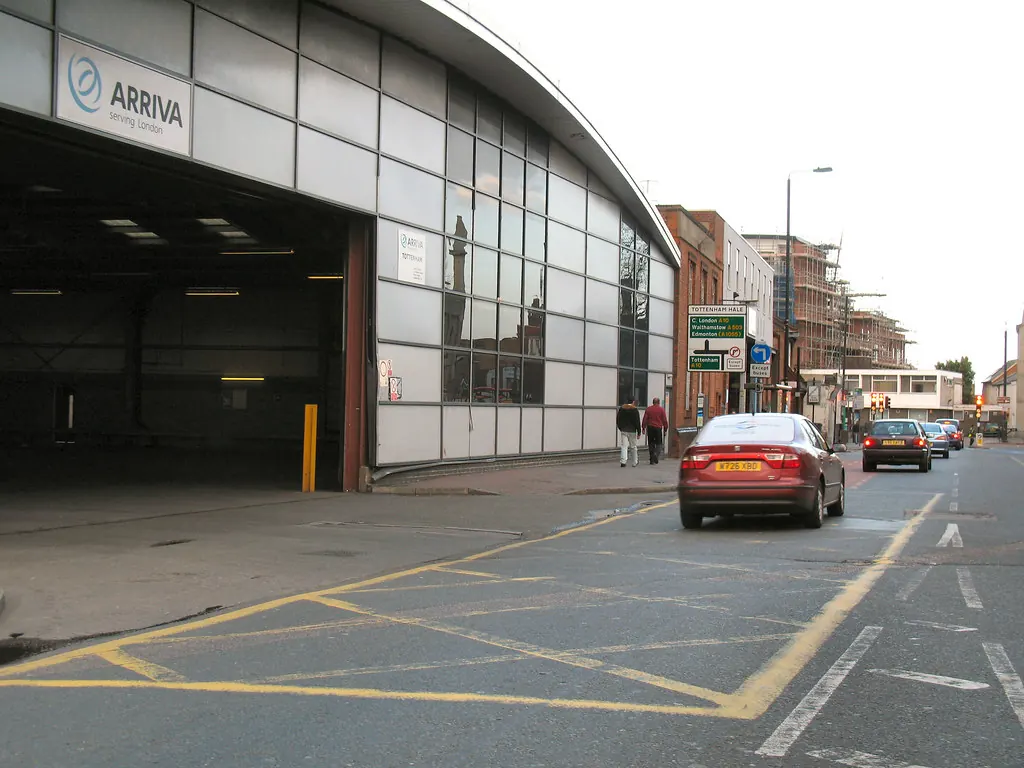
Transport for London (TfL) is a cornerstone for anyone seeking to understand the intricate workings of the UK’s capital. Beyond its primary role of managing the city’s vast public transport network, TfL acts as an invaluable source of data and insight for reporting on transit operations, street conditions, and the overall quality of public services. For urban planners, journalists, researchers, and engaged citizens, TfL’s official channels and open data initiatives provide a wealth of information crucial for grasping the complexities of urban life in London.
Understanding London’s Transit Network
TfL is responsible for the day-to-day operation of most of the transport network in Greater London. This includes the iconic London Underground, London Buses, London Overground, Docklands Light Railway (DLR), Croydon Tramlink, and the Elizabeth line. Information on service status, planned engineering works, and future developments is regularly published on the TfL website. This makes it an essential resource for tracking the reliability and evolution of London’s public transport, which is often a barometer for the city’s overall functionality and economic activity.
For those interested in the performance of specific routes or lines, TfL provides detailed operational statistics. These can include passenger numbers, punctuality rates, and journey times. This granular data allows for in-depth analysis of how well the network is serving Londoners and visitors, and highlights areas where improvements are being made or are needed. Observing trends in ridership and service delivery can offer significant insights into population movement patterns and the impact of urban development projects.
Street and Public Realm Reporting
While TfL’s remit is primarily public transport, its influence extends to London’s streets and public realm. TfL manages a significant portion of London’s road network, known as the ‘Red Routes’. These routes are critical arteries for both public transport and general traffic. Reports and data related to traffic flow, congestion, road safety initiatives, and the implementation of traffic management schemes can often be found through TfL’s publications.
Furthermore, TfL plays a role in initiatives that affect the street environment, such as cycling infrastructure development and pedestrian safety improvements. Their work on the Cycleways network, for instance, directly shapes how people move around the city and impacts the usability of public spaces. Information on the progress and impact of these schemes can provide valuable context for reporting on urban design, active travel, and the livability of London’s neighbourhoods.
Service Quality and Performance Metrics
Measuring and reporting on service quality is fundamental to TfL’s operations. The organization regularly publishes performance data against key metrics, which are vital for assessing public satisfaction and operational efficiency. These metrics often cover aspects like cleanliness of stations and vehicles, staff helpfulness, and the overall passenger experience.
Customer satisfaction surveys and feedback mechanisms are integral to TfL’s reporting. While direct access to raw survey data might be limited, TfL often publishes summaries and analysis of customer feedback, offering qualitative insights into public perceptions of the transport system. This information is indispensable for journalists and researchers looking to gauge public opinion on transport services and their impact on daily life.
TfL Open Data for Deeper Analysis
For more advanced analysis and innovative applications, TfL’s Open Data portal is an indispensable resource. This platform provides access to a vast array of datasets, enabling developers, researchers, and analysts to build tools, conduct studies, and create visualizations that shed new light on London’s transport system.
The types of data available are extensive and include:
| Data Category | Description | Potential Uses |
|---|---|---|
| Real-time Tube Data | Live arrival predictions for London Underground services. | Developing real-time journey planners, identifying bottlenecks. |
| Bus Open Data | Timetables, routes, and real-time locations for London Buses. | Optimising bus routes, analysing service coverage, creating custom maps. |
| Station Information | Details on station accessibility, facilities, and operational status. | Planning accessible journeys, identifying service gaps, reporting on amenities. |
| Fare Data | Information on ticket prices and fare structures across different modes. | Analysing affordability, comparing costs, forecasting travel expenses. |
| Crowding Information | Data related to passenger load on various transport modes. | Understanding capacity issues, reporting on commuting conditions. |
The TfL Open Data portal encourages innovation and transparency. By making this data publicly available, TfL empowers a wider community to contribute to the understanding and improvement of London’s transport infrastructure. It is a critical source for anyone undertaking a detailed investigation into the performance, efficiency, and user experience of London’s transport network.
Reporting Beyond the Numbers
While the quantitative data provided by TfL is essential, the organization also publishes reports, strategies, and consultations that offer qualitative insights into its vision and challenges. These documents provide context for the data, explaining the rationale behind policy decisions, investment plans, and operational changes. For instance, TfL’s strategies for decarbonisation, accessibility, or future mobility offer a forward-looking perspective that complements the analysis of current performance.
Engaging with these strategic documents allows for a more nuanced understanding of the forces shaping London’s transport landscape. They reveal TfL’s priorities, its approach to complex urban challenges, and its ongoing efforts to balance the needs of a growing city with its environmental and social responsibilities.
Sources and Limits
When utilising Transport for London as a source for reporting, it is crucial to refer to the official channels for the most accurate and up-to-date information. Details regarding service status, operational statistics, and future plans are subject to change.
For comprehensive and current information, please consult:
* Transport for London: https://tfl.gov.uk/
* TfL Open Data: https://tfl.gov.uk/info-for/open-data-users/
It is recommended to verify any specific data points, figures, or project statuses directly on the TfL website or through their open data portal, as this content is dynamic and can be updated frequently.
Fuentes
- [{"name": "Transport for London", "url": "https://tfl.gov.uk/"}, {"name": "TfL Open Data", "url": "https://tfl.gov.uk/info-for/open-data-users/"}]
Historial de cambios
Ultima revision y actualizacion: 29 June 2026.
Latest related updates

Record Campaign Spending in Washington State Prompts Questions About Money in Local Planning Politics
A Seattle specialist outlet reports unprecedented corporate and billionaire spending ahead of the 2026 US midterms, including a Microsoft-backed PAC targeting a…
Read update
Post-storm waste collection is a resilience test London boroughs cannot schedule
A look at how two US cities treated storm debris clearance as a pre-planned system rather than an emergency scramble, and what…
Read update
Chicago’s sewage overflows are a warning for London’s combined sewers
Chicago's Racine Avenue pumping station has discharged more than 10 billion gallons of combined sewage into the Chicago River this year, despite…
Read update
St. Louis bets on conversions and innovation zones for its downtown: the test London has already run
St. Louis is leaning on office-to-residential conversions, innovation zones and private-sector partnerships to revive its urban core. The instruments are familiar in…
Read update