Seattle Transit Measure Survey Highlights Gaps in Fare Equity and Service
A recent survey by the Transit Riders Union in Seattle reveals that while transit funding is generally supported by voters, significant disparities exist in access to discounted fares and the overall usability of the system, particularly for low- and middle-income residents.
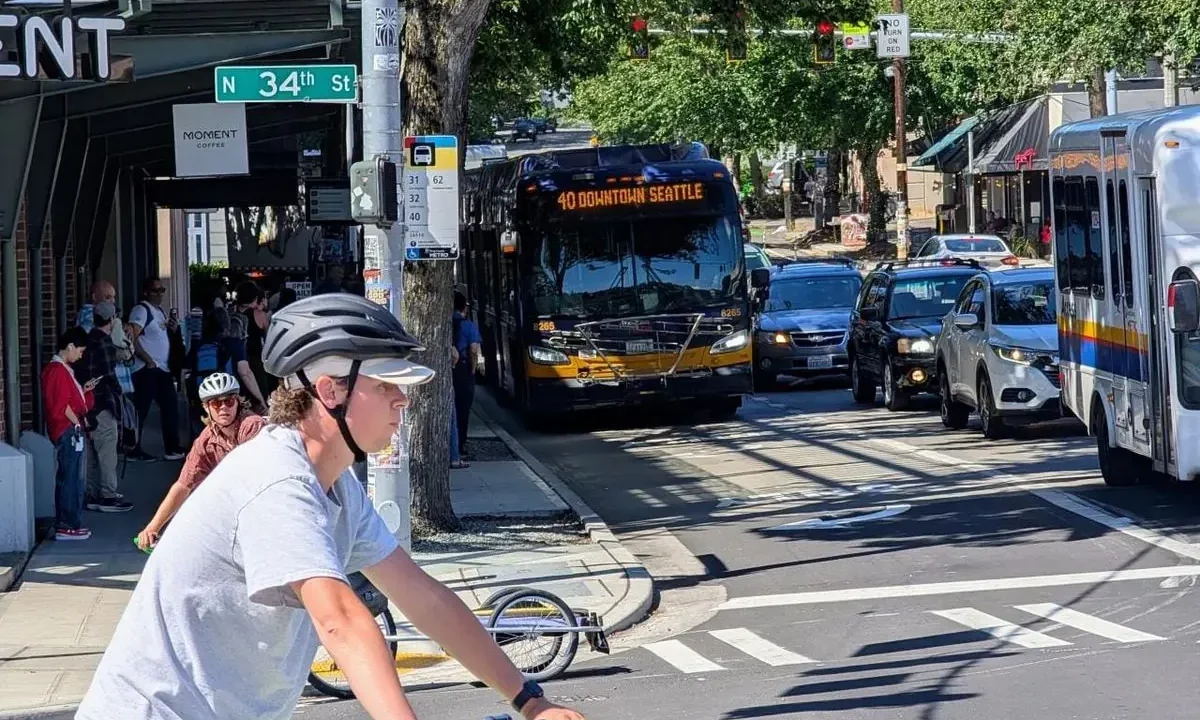
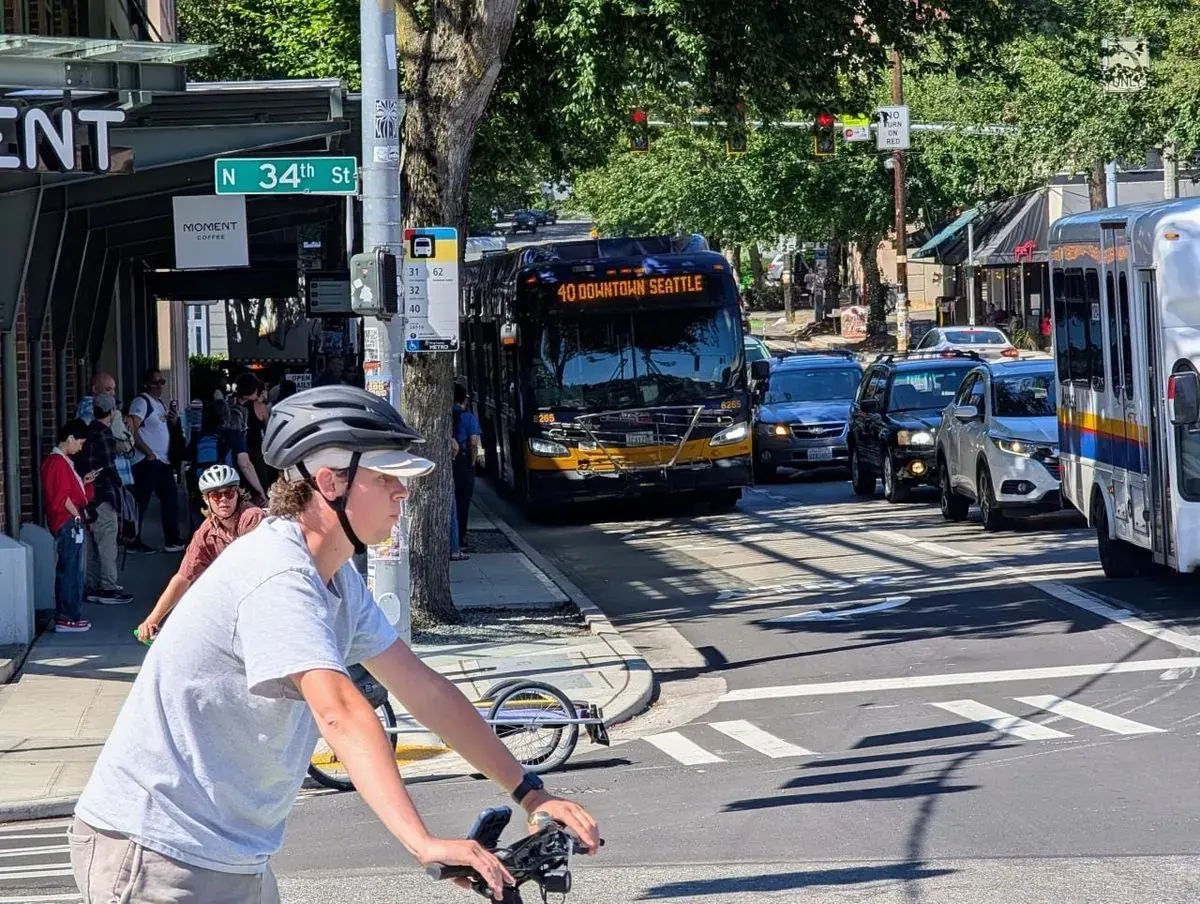
A comprehensive survey of nearly 500 people in the Seattle region, conducted by the Transit Riders Union, has illuminated persistent challenges within the local public transportation system. While voters consistently show support for transit funding, the survey results highlight significant gaps in fare equity and service accessibility, particularly impacting low- and middle-income residents. The findings underscore the need for continued advocacy to ensure the transit system benefits all users equitably.
Patchwork of Fare Benefits
Seattle’s transit system offers two primary avenues for reduced or free fares: the ORCA LIFT card for low-income individuals and employer-provided transit passes. However, access to these benefits is uneven. The ORCA LIFT program offers a $1 fare to those earning below 200% of the federal poverty line, a crucial resource for many. Employer-provided passes, often facilitated through the ORCA Business Passport Program, provide unlimited transit access to employees of participating businesses. While this program is beneficial for recipients, it relies on employer participation, leaving many individuals without access.
The survey indicated that 65% of individuals with an unlimited transit pass use transit for most of their commutes, compared to 50% of those without such passes. Testimonials from riders suggest these passes significantly ease financial burdens and encourage more frequent use. However, the reliance on employment for access means those who are unemployed, self-employed, or work for small businesses not enrolled in the program are excluded from these benefits. This creates a disparity where the advantages of a robust transit system are not universally shared.
Income Disparities and Transit Dependency
The survey data also revealed a strong correlation between income level and transit dependency. Poorer respondents were most likely to rely on transit for work, a necessity given the high cost of car ownership in the region. Transit routes that are infrequent or slow disproportionately burden those who cannot or choose not to drive, including younger individuals, the elderly, and those unable to afford a car.
Analysis of transit habits across different income brackets showed that transit commute choices were similar for those earning less than $30,000 and those earning between $30,000 and $60,000 per year. However, a notable dip in transit usage was observed among those earning between $60,000 and $100,000. Riders earning over $100,000 reported higher rates of consistent transit commuting, potentially reflecting the concentration of high-paying jobs in transit-accessible downtown areas.
Two key takeaways emerge from these income analyses. Firstly, many low-to-middle income residents likely earn too much to qualify for ORCA LIFT, despite their significant reliance on public transit. Secondly, middle-income workers, whose jobs are often more dispersed throughout the region, may not have access to convenient transit options. Addressing these barriers is critical for ensuring broader access to affordable and efficient transportation.
Addressing Gaps and Future Fights
The survey identified serious gaps in the usability of Seattle’s transit system, including infrequent service, missing routes, and lengthy travel times compared to driving. Advocates emphasize the need for increased service frequency and faster travel times. Furthermore, the current income threshold for ORCA LIFT may exclude many who are functionally in poverty due to Seattle’s high cost of living and income inequality. Tying fare programs to a more localized indicator like Area Median Income (AMI) could better align with the program’s goal of serving lower-income residents.
The Transit Riders Union acknowledges the success of the ORCA Business Passport Program in generating revenue for transit agencies and benefiting participating employees. However, they advocate for expanded access to reduced fares for all residents, regardless of employment status or employer participation. For frequent riders without employer-provided passes, the cost of a monthly pass can be a significant financial burden. Future political battles are expected to focus on closing these gaps and ensuring that the transit system truly serves the needs of all Seattle-area residents.
Key facts
| Aspect | Detail |
|---|---|
| Survey size | Nearly 500 people |
| ORCA LIFT eligibility | Below 200% of federal poverty line |
| Employer pass impact | 65% use transit most of the time vs. 50% without |
| Key issues identified | Infrequent service, missing routes, slow travel times, fare access barriers |
Source: The Urbanist, https://www.theurbanist.org/op-ed-how-the-seattle-transit-measure-can-benefit-all/
Fuente
The Urbanist Publicacion original: 2026-06-28T19:41:40+00:00
Related updates

Seattle-Area Race Highlights Diverging Approaches to Housing, Transit and Tech Taxation
A Washington State legislative race in the 32nd District pits incrementalism against urgency on housing supply, transit funding and tech regulation, with…
Read update
New York court ruling on sanctuary policies carries implications for city-level immigration enforcement across the US
A federal judge has dismissed the Trump administration’s attempt to override New York City’s restrictions on immigration enforcement cooperation, citing state sovereignty.…
Read update
Automated license plate readers raise privacy, contract and oversight questions for UK cities
A new US-focused analysis of automated license plate recognition cameras highlights contract, privacy and oversight issues that London boroughs and Transport for…
Read update
Oregon’s “fix it first” dilemma: what London’s transport planners can learn from a revolt against megaprojects
Surveys show Oregonians overwhelmingly want existing roads repaired before new megaprojects are funded, and trust in the state’s transport agency has collapsed.…
Read updateWiki relacionada

Urban Planning Terms: Density, Public Realm and Transit-Oriented Development
A living glossary for terms that appear again and again in planning and development stories.
Read update