
The Future of London’s High Streets: Adapting to E-commerce and Community Needs
London's high streets face a critical juncture, balancing the pressures of online retail with the growing demand for vibrant community spaces. This column explores innovative strategies for their adaptation.
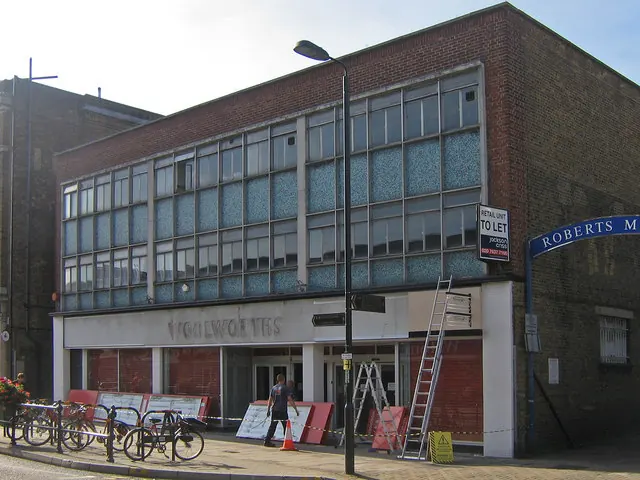
London’s high streets, the historic arteries of its boroughs, stand at a pivotal moment. The relentless rise of e-commerce, coupled with evolving consumer behaviours and a renewed emphasis on local community, presents both a profound challenge and a significant opportunity. For decades, the high street was defined by its retail dominance. Today, its very essence is being redefined. This column will explore the multifaceted pressures on London’s high streets and examine the innovative approaches being adopted to ensure their continued relevance and vitality as dynamic hubs for commerce, culture, and community.
Why It Matters
The health of London’s high streets is intrinsically linked to the economic and social fabric of its neighbourhoods. They are more than just places to shop; they are centres of social interaction, employment, and local identity. The decline of traditional retail has led to increased vacancies, impacting local economies and the visual appeal of these vital urban corridors. However, this period of flux also offers a chance to reimagine these spaces, transforming them into more resilient, diverse, and people-centric environments that cater to a broader range of needs and aspirations. The future success of London’s high streets hinges on their ability to adapt, innovate, and embrace their role beyond mere retail.
What Sources Show
Official data from various London boroughs and the Greater London Authority (GLA) consistently highlight the challenges posed by high vacancy rates in retail spaces. For instance, reports from the London Datastore often detail shifts in commercial property usage. Transport for London (TfL) also plays a role, as accessibility and the integration of public transport are crucial for high street vitality. Recent studies from specialist urbanism publications, such as those found in *The Planner* or *Urban Design*, showcase a growing trend towards mixed-use developments on high streets. These developments often incorporate residential units, co-working spaces, leisure facilities, and cultural venues alongside a reduced but more curated retail offering.
A key strategy emerging from these sources is the diversification of land use. Many high streets are no longer solely reliant on fashion and homeware. Instead, there’s a noticeable shift towards experiential retail, food and beverage outlets, essential services, and community-focused businesses. For example, some boroughs are actively encouraging the conversion of vacant retail units into flexible community hubs, maker spaces, or pop-up galleries. The “meanwhile use” of empty properties, a concept often discussed in planning circles, allows for temporary activation of spaces, maintaining vibrancy and testing new concepts.
Furthermore, the integration of green infrastructure and public realm improvements is proving vital. Initiatives focused on creating more pedestrian-friendly environments, enhancing street furniture, and introducing greenery can significantly improve the attractiveness and usability of high streets, encouraging footfall and dwell time. The London Borough of Camden, for example, has been piloting schemes to pedestrianise certain areas and introduce more green spaces, with positive feedback on community engagement.
Competing Readings
One perspective, often rooted in traditional economic thinking, views the challenges as primarily a retail problem requiring solutions like lower business rates or enhanced support for struggling retailers. This view often sees e-commerce as an insurmountable competitor that will inevitably lead to a contraction of physical retail.
A contrasting, and increasingly prevalent, reading emphasizes the high street’s potential as a multifaceted community asset. This viewpoint argues that while retail may be a component, it should not be the sole determinant of success. Instead, the focus should be on creating vibrant, adaptable spaces that serve a range of social, cultural, and economic functions. This perspective acknowledges the reality of online shopping but sees it as an impetus for high streets to evolve into destinations offering experiences and services that online platforms cannot replicate. This includes fostering local entrepreneurship, supporting independent businesses, and enhancing public spaces for social interaction.
A third reading points to the critical role of local governance and planning policy. This view suggests that without proactive intervention from local authorities – through strategic planning, flexible regulations, and investment in public realm – high streets will struggle to adapt. This includes facilitating the conversion of retail spaces to other uses, supporting community-led initiatives, and ensuring that new developments contribute positively to the existing urban fabric.
What Remains Unclear
Despite the clear trends, several aspects of the high street’s future remain uncertain. The long-term economic viability of purely experience-led retail or heavily subsidised community spaces is still being tested. The capacity of local authorities to fund and manage the necessary public realm improvements and planning adaptations is also a significant question, especially in times of austerity.
Furthermore, the precise balance between different types of use – retail, residential, leisure, community – that will prove most successful across London’s diverse neighbourhoods is not yet definitively established. What works in a dense, central London borough might not be suitable for a suburban high street. The impact of technological advancements, such as the further integration of AI in retail and logistics, on physical store formats and customer expectations also presents an evolving unknown.
Practical Checks for Londoners
For residents and businesses in London, several practical steps can be taken to contribute to and benefit from high street adaptation:
- Support local businesses: Actively choose to shop at independent retailers and use local services where possible.
- Engage with local planning: Attend borough council meetings, respond to consultations on local development plans, and voice opinions on the future of your high street.
- Utilise community spaces: Participate in events, workshops, and activities hosted in newly activated or existing community hubs.
- Advocate for public realm improvements: Contact your local councillor to express support for initiatives that enhance pedestrian experience, greening, and public seating.
The future of London’s high streets is not a predetermined outcome but a co-created reality. By understanding the pressures, embracing innovative solutions, and actively participating in their evolution, Londoners can help ensure these vital urban centres thrive for generations to come.
| Strategy | Description | Potential Benefits | Challenges |
|---|---|---|---|
| Diversified Land Use | Converting vacant retail units into residential, co-working, leisure, or community spaces. | Increased footfall, reduced vacancies, more vibrant street life, local employment. | Planning permission complexities, changing building regulations, ensuring economic viability. |
| Experiential Retail | Focusing on unique in-store experiences, workshops, events, and personalized services rather than just product. | Higher customer engagement, brand loyalty, differentiation from online competition. | High initial investment, need for constant innovation, attracting and retaining skilled staff. |
| Public Realm Enhancement | Improving pedestrian access, adding green spaces, street furniture, public art, and lighting. | Enhanced attractiveness, longer dwell times, increased community well-being. | Funding limitations, maintenance costs, balancing aesthetics with functionality. |
| “Meanwhile Use” Activation | Temporary use of vacant properties for pop-ups, markets, galleries, or community projects. | Maintains vibrancy, tests new concepts, keeps spaces from becoming derelict. | Short-term nature, potential for disruption, need for flexible landlords and businesses. |
| Integrated Mobility Hubs | Connecting high streets with efficient public transport, cycle parking, and last-mile delivery solutions. | Increased accessibility, reduced car dependency, supports local businesses. | Infrastructure costs, coordination between different transport providers, managing congestion. |
Related updates
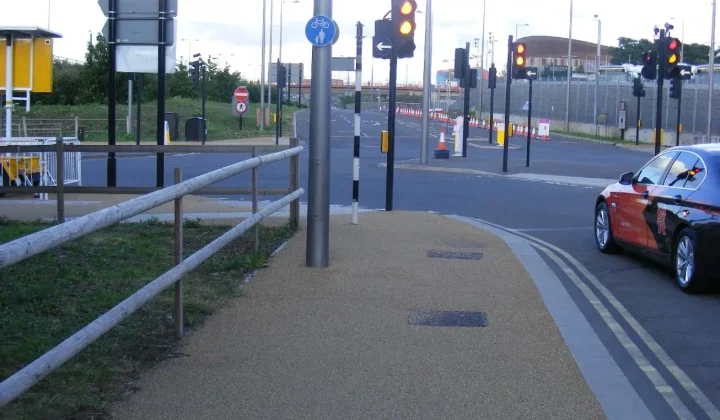
US DOT road safety plan targets congestion and AV strategy, with implications for London’s Vision Zero approach
The US Department of Transportation’s 2026 National Roadway Safety Strategy prioritises rural and tribal communities and advanced technology to cut preventable crashes.…
Read update
Why the predicted Portland ‘Carmaggedon’ never arrived — and what London can learn about traffic evaporation
A month-long closure of a mile-long section of I-5 in Portland was forecast to triple commute times. Instead, morning peak journeys increased…
Read update
What the fall of Angkor reveals about the risks of low-density urban sprawl
A new analysis of the fall of Angkor, the ancient Khmer capital, draws parallels between its sprawling, low-density infrastructure and the vulnerabilities…
Read update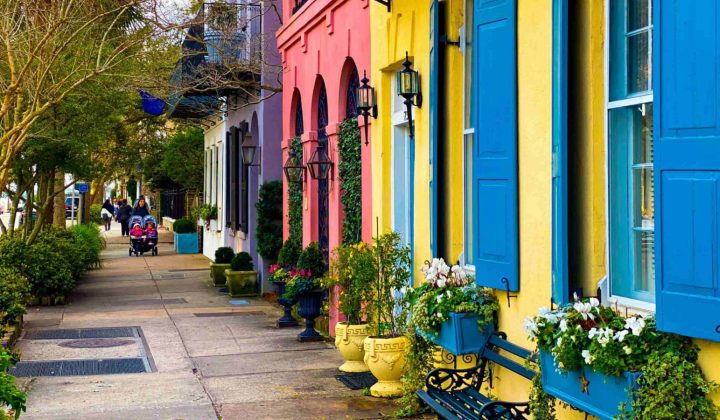
Why urban beauty matters for community wellbeing and civic pride
Research and everyday experience show that beautiful places foster stronger communities, better mental health, and greater civic engagement. What can London learn…
Read updateWiki relacionada
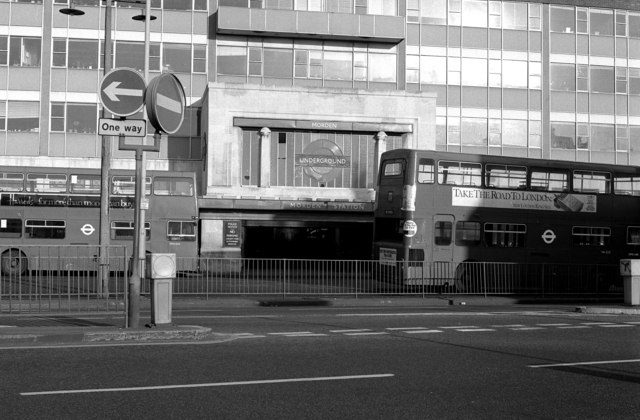
Transport for London: The Backbone of Transit, Street and Service Reporting
Transport for London (TfL) is the UK’s most comprehensive source for transit data, street management and service-quality reporting. This reference page explains…
Read update
Transport for London: The Backbone of Transit, Street and Service Reporting
Transport for London (TfL) operates the city’s buses, Tube, trams, river services, roads and cycling infrastructure. This reference page explains how TfL…
Read update
Understanding the London Plan: A Guide to the Capital’s Spatial Development Strategy
The London Plan sets the strategic framework for development, housing, transport and the public realm across the capital. This guide explains its…
Read update
Transport for London as a Source for Transit, Street and Service-Quality Reporting
Transport for London is one of the most comprehensive urban data providers in the world. This reference page explains how journalists, planners…
Read update