
London’s Housing Crisis: Navigating the Complexities of Affordability and Supply
An in-depth look at the multifaceted challenges of housing affordability and supply in London, examining the root causes, current impacts, and potential policy solutions for residents and policymakers alike.
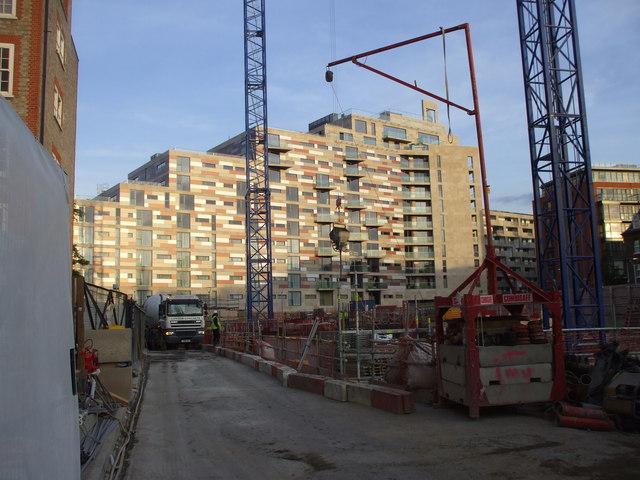
London’s housing market is a perennial topic of concern, marked by a persistent imbalance between the demand for homes and the actual supply, leading to escalating prices and significant affordability challenges. This column delves into the intricate web of factors contributing to this crisis, analysing the current state of affairs, the implications for Londoners, and the policy levers available to address this complex issue.
Why This Matters: The Urban Fabric Under Strain
The ability of Londoners to find secure, affordable housing is fundamental to the city’s social and economic well-being. When housing becomes prohibitively expensive, it not only impacts individual households but also has ripple effects across the economy, affecting labour mobility, business competitiveness, and the very social fabric of the city. Key workers, young families, and long-term residents are increasingly priced out, leading to a less diverse and potentially less vibrant urban environment. Understanding the drivers of the housing crisis is the first step towards formulating effective solutions that can ensure London remains a place where people can live, work, and thrive.
What Sources Show: A Multifaceted Supply and Demand Imbalance
The core of London’s housing challenge lies in a persistent mismatch between the number of homes being built and the growing population demanding them. Official statistics from the Greater London Authority (GLA) and the Office for National Statistics (ONS) consistently highlight a significant shortfall in housing delivery compared to assessed needs.
For instance, the GLA’s London Plan targets ambitious housing delivery numbers, but actual completions have often fallen short. Factors contributing to this include:
- Planning Constraints: The complex and often lengthy planning permission process, involving multiple stakeholders and stringent regulations, can significantly slow down or even halt new developments.
- Land Availability: Inner London, in particular, faces acute land scarcity. Brownfield sites are often redeveloped, but the availability of large, suitable plots is limited.
- Construction Costs and Labour Shortages: Rising material costs and a shortage of skilled construction labour can make building new homes more expensive and time-consuming, impacting developer viability.
- Demand Pressures: London’s status as a global city continues to attract a diverse population, driving up demand for both rental and owner-occupied properties. This demand is further influenced by investment flows, both domestic and international.
Data from the Land Registry and ONS reveal a steady upward trend in property prices and rents over the past decade, far outstripping wage growth for many Londoners. This is particularly evident in the rental market, where a significant portion of household income is often allocated to rent, leaving little for savings or other essential living costs.
| Metric | Latest Available Data (approx.) | Trend | Source Example |
|---|---|---|---|
| Average House Price | £530,000 | Increasing | UK Land Registry |
| Average Rent | £2,000/month | Increasing | HomeLet Rental Index, ONS |
| New Homes Built | ~20,000-25,000 per year | Below Target | Greater London Authority (GLA) |
| Population Growth | ~+70,000 per year | Increasing | Office for National Statistics (ONS) |
Competing Readings: Policy Effectiveness and Future Prospects
There are varying perspectives on the primary drivers of the crisis and the most effective solutions.
One perspective, often voiced by developers and free-market advocates, emphasizes the need to streamline planning regulations and increase the overall supply of housing without excessive intervention. They argue that reducing red tape and encouraging higher density development, particularly around transport hubs, is key to meeting demand and lowering prices.
Conversely, many community groups and housing campaigners highlight the role of speculative investment, the dominance of the private rental sector, and the need for more social and genuinely affordable housing. They advocate for stronger rent controls, increased council house building, and policies that curb the financialisation of housing.
The UK government’s approach has often focused on stimulating homeownership through various schemes, alongside efforts to boost overall housing supply. The GLA, within its devolved powers, sets strategic housing targets and influences planning policy through the London Plan, aiming for a balance between growth and the preservation of the city’s character. Transport for London (TfL) also plays a role, with significant land holdings that could be repurposed for housing development, often linked to new transport infrastructure.
What Remains Unclear: The Long-Term Impact of Current Policies
While there is broad agreement on the problem, the precise impact of different policy interventions remains a subject of ongoing debate and requires continued monitoring. For example, the effectiveness of Help to Buy schemes in genuinely improving affordability for first-time buyers versus their role in inflating prices is debated. Similarly, the long-term consequences of increasing development density on existing infrastructure and community cohesion are not always fully understood.
The interplay between national housing policy and London’s specific challenges also presents an area of uncertainty. Policies enacted at a UK level can have disproportionate effects on the capital due to its unique market dynamics. Furthermore, the evolving nature of work, with the rise of remote and hybrid models, could subtly alter housing demand patterns in ways that are not yet fully apparent.
Practical Checks for Londoners and Policymakers
For Londoners seeking housing, understanding the market dynamics is crucial. This involves:
- Researching different boroughs: Prices and availability vary significantly across London.
- Exploring all tenure options: Beyond outright purchase, consider shared ownership, affordable rent schemes, and social housing where eligible.
- Staying informed on policy changes: Government and GLA announcements can impact the market.
For policymakers, the path forward involves:
- Rigorous evaluation of existing policies: Assessing what is working and what is not, based on data and evidence.
- Exploring innovative development models: Such as modular construction or community-led housing initiatives.
- Strengthening collaboration: Between the GLA, London boroughs, TfL, and national government to ensure a joined-up approach.
- Prioritising genuinely affordable housing: Ensuring that new developments include a significant proportion of homes that are affordable to those on average and lower incomes.
Addressing London’s housing crisis is a marathon, not a sprint. It requires a sustained, evidence-based approach that balances the need for growth with the imperative to maintain a fair and inclusive city for all its residents.
Related updates

Why the predicted Portland ‘Carmaggedon’ never arrived — and what London can learn about traffic evaporation
A month-long closure of a mile-long section of I-5 in Portland was forecast to triple commute times. Instead, morning peak journeys increased…
Read update
What the fall of Angkor reveals about the risks of low-density urban sprawl
A new analysis of the fall of Angkor, the ancient Khmer capital, draws parallels between its sprawling, low-density infrastructure and the vulnerabilities…
Read update
Why urban beauty matters for community wellbeing and civic pride
Research and everyday experience show that beautiful places foster stronger communities, better mental health, and greater civic engagement. What can London learn…
Read update
Colorado Data Center Dispute Highlights Gap in Planning Rules and Community Oversight
A proposal for Colorado’s largest data centre in Aurora has sparked debate over planning rules that allow major developments to bypass public…
Read updateWiki relacionada

Transport for London: The Backbone of Transit, Street and Service Reporting
Transport for London (TfL) is the UK’s most comprehensive source for transit data, street management and service-quality reporting. This reference page explains…
Read update
Transport for London: The Backbone of Transit, Street and Service Reporting
Transport for London (TfL) operates the city’s buses, Tube, trams, river services, roads and cycling infrastructure. This reference page explains how TfL…
Read update
Understanding the London Plan: A Guide to the Capital’s Spatial Development Strategy
The London Plan sets the strategic framework for development, housing, transport and the public realm across the capital. This guide explains its…
Read update
Transport for London as a Source for Transit, Street and Service-Quality Reporting
Transport for London is one of the most comprehensive urban data providers in the world. This reference page explains how journalists, planners…
Read update