
London’s Ultra Low Emission Zone (ULEZ) Explained
An in-depth look at London's Ultra Low Emission Zone (ULEZ), its purpose, how it works, and its impact on the city's air quality and transport landscape.
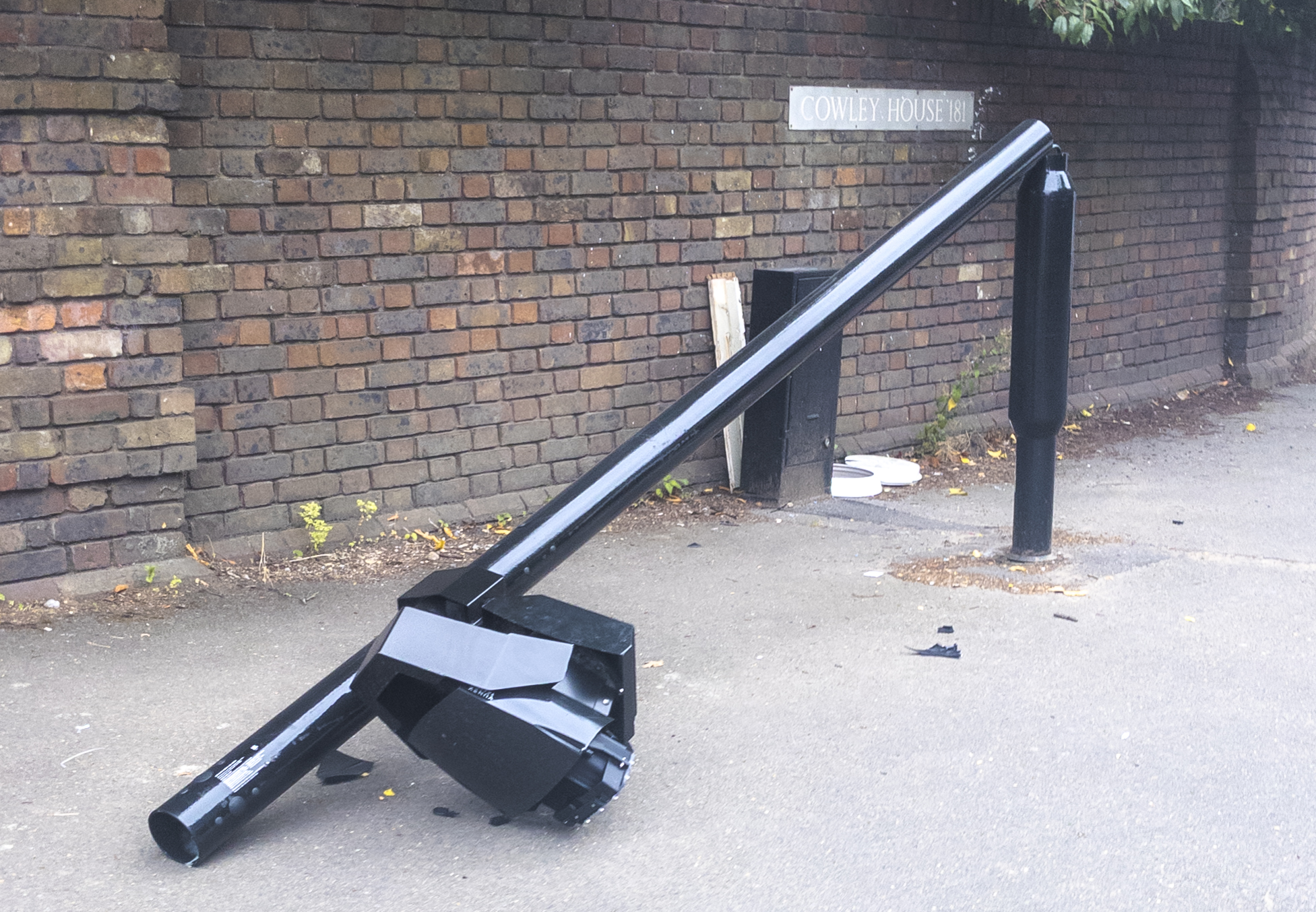
The Ultra Low Emission Zone (ULEZ) is a vital initiative by Transport for London (TfL) aimed at improving the capital’s air quality by reducing the number of the most polluting vehicles driving in London. This guide provides a comprehensive overview of the ULEZ, its operational framework, and its significance for residents, businesses, and the urban environment.
What is the Ultra Low Emission Zone (ULEZ)?
The ULEZ operates 24 hours a day, seven days a week, every day of the year, except for Christmas Day. It covers all areas within the North and South Circular Roads. For drivers of vehicles that do not meet the ULEZ emissions standards, a daily charge applies. The primary goal is to encourage the use of cleaner vehicles and thereby reduce harmful air pollution, particularly nitrogen dioxide (NO2) and particulate matter, which have significant public health implications.
How ULEZ Works and Emissions Standards
Vehicle compliance with ULEZ standards is determined by its emissions level. Generally, petrol vehicles must meet the Euro 4 standard for NOx and the Euro 6 standard for particulate matter. Diesel vehicles must meet the Euro 6 standard for both NOx and particulate matter.
Here’s a breakdown of the general standards:
| Vehicle Type | Petrol Standards | Diesel Standards |
|---|---|---|
| Cars, vans, and motorised horseboxes (up to and including 3.5 tonnes) | Euro 4 for NOx and Euro 6 for PM | Euro 6 for NOx and Euro 6 for PM |
| Larger vans and lorries, buses and coaches (over 3.5 tonnes) | Euro VI for NOx and Euro VI for PM | Euro VI for NOx and Euro VI for PM |
Note: The standards above are simplified. For precise details, TfL’s official resources should be consulted.
The daily charge for non-compliant vehicles is £12.50 for cars, smaller vans, and motorcycles, and £100 for larger vehicles like lorries, buses, and coaches. These charges are separate from and in addition to the Congestion Charge, which operates in a smaller central London area during specific hours.
Impact on London’s Air Quality
Studies and TfL data indicate a significant positive impact of the ULEZ on air quality since its introduction. The ULEZ has led to a reduction in the concentration of harmful pollutants, contributing to a healthier environment for Londoners. By discouraging the use of older, more polluting vehicles, it helps mitigate respiratory illnesses and other health issues linked to poor air quality.
Expansion of the ULEZ
The ULEZ was expanded significantly on August 29, 2023, to cover all 32 London boroughs and the City of London. This expansion means the zone now extends to the boundaries of Greater London, encompassing areas previously not subject to the charge. This move aims to extend the benefits of cleaner air to a much larger population and address air pollution across the entire city.
Exemptions and Discounts
While the ULEZ aims for broad compliance, certain vehicles and residents may be eligible for exemptions or discounts. These can include:
- Residents living within the ULEZ: For a limited period after the expansion, residents within the expanded zone who registered their vehicle before a certain date might have received a 100% discount.
- Disabled passengers: Vehicles used for certain disabled passenger transport services may be exempt.
- Showpeople’s vehicles: Specific exemptions are in place for showpeople’s vehicles.
- Historic vehicles: Vehicles registered before January 1, 1973, are exempt.
It is crucial to check TfL’s official website for the most up-to-date information on eligibility for exemptions and discounts, as these can change.
Navigating the ULEZ
For drivers, understanding whether their vehicle is compliant is the first step. TfL provides a vehicle checker on its website where drivers can enter their registration number to determine compliance and any charges that may apply. For those with non-compliant vehicles, options include:
- Scrappage schemes: TfL has offered scrappage schemes to help eligible individuals and businesses replace older, non-compliant vehicles with cleaner alternatives.
- Modifying vehicles: In some cases, vehicles can be retrofitted to meet ULEZ standards.
- Using public transport: The ULEZ encourages a shift towards public transport, cycling, and walking.
- Car sharing or hiring cleaner vehicles: For occasional travel within the zone, alternatives to personal vehicle ownership can be considered.
The ULEZ is a dynamic policy that continues to evolve. Staying informed through official TfL channels is essential for anyone driving within or frequently travelling through London. Its success is measured not only in compliance rates but, more importantly, in the tangible improvements to the air Londoners breathe.
Fuentes
- [{"title": "Transport for London (TfL) - ULEZ", "url": "https://tfl.gov.uk/modes/driving/ultra-low-emission-zone"}]
Historial de cambios
Ultima revision y actualizacion: 11 June 2026.
Latest related updates
Designing London’s Public Spaces for a Resilient Future
As London confronts the increasing impacts of climate change, its vital public spaces – from bustling squares to green parks – are…
Read update
Chicago Urbanism Debates Intensify After Cyclist Fatality and Official’s Controversial Remarks
A tragic cycling death in Chicago has ignited a fierce debate over street safety and political rhetoric, highlighting divisions among city officials…
Read update
Amtrak Cascades Boosts Vancouver-Seattle Travel Time with Border Preclearance
New US customs screening at Vancouver's Pacific Central Station slashes journey times by at least 10 minutes, with further reductions anticipated as…
Read update
SoFi Stadium Workers Secure Historic Contract Ahead of World Cup 2026
A potential strike at SoFi Stadium has been averted, with workers securing a new contract that includes significant wage increases, enhanced job…
Read update