
Designing London’s Public Spaces for a Resilient Future
As London confronts the increasing impacts of climate change, its vital public spaces – from bustling squares to green parks – are on the front lines. This column explores how urban design can create resilient public realms that protect citizens and preserve the city's vibrancy.
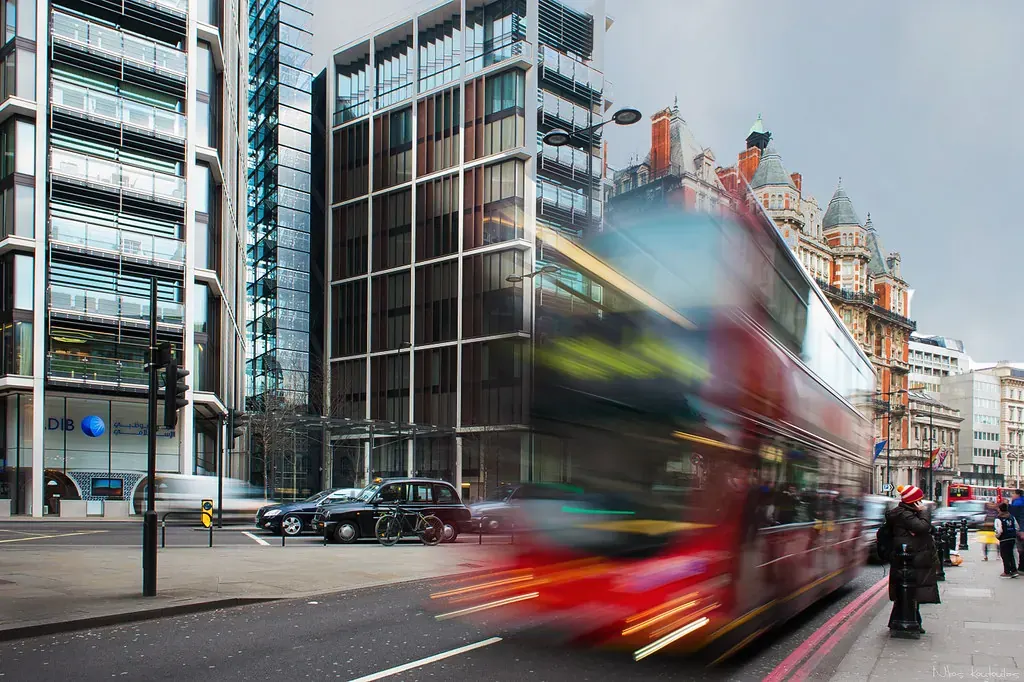
London’s public spaces are the city’s beating heart – vibrant arenas for social connection, recreation, cultural events, and the vital flow of daily life. Yet, these cherished urban assets, from iconic plazas and bustling high streets to verdant parks and riverside promenades, are increasingly exposed to the escalating threats of climate change. As extreme weather events become more frequent and intense, these spaces face unprecedented risks from soaring temperatures, flash floods, rising sea levels, and powerful storms. The challenge for urban planners and designers is to ensure these critical urban realms can not only withstand these shocks but also recover swiftly, preserving the vitality, safety, and livability that define London.
The traditional assumption of stable climate patterns no longer holds. Public spaces, often characterised by extensive impervious surfaces, limited natural systems, and high user density, are particularly vulnerable. Intense heat can transform sun-baked plazas into unbearable heat islands, while heavy rainfall can overwhelm drainage systems, turning low-lying areas into flood zones. Coastal public spaces are increasingly threatened by rising sea levels and storm surges, and stronger winds pose risks to trees, street furniture, and public safety. These impacts disrupt daily routines, damage valuable infrastructure, and pose significant risks to public health and well-being. Designing for climate resilience in these spaces is therefore not a luxury, but a fundamental necessity.
Why Designing for Resilience Matters
The imperative to design climate-resilient public spaces stems from a clear set of goals essential for London’s future. Firstly, it’s about enhancing safety and well-being for all Londoners. By anticipating and mitigating the impacts of extreme weather, we can prevent injuries, protect vulnerable populations, and ensure that public spaces remain safe havens, not hazard zones. Secondly, resilience in public spaces underpins the continuity of urban life. This means ensuring that essential services can continue to operate, that people can move safely and efficiently, and that social and cultural activities can proceed with minimal disruption, even in challenging conditions.
Furthermore, climate-resilient design is crucial for protecting and enhancing London’s unique urban fabric and biodiversity. Green infrastructure, a key component of resilience, can support a richer ecosystem within the city, providing habitats for wildlife and improving air quality. Finally, investing in resilience is an economically sound strategy. Proactive adaptation measures are typically far more cost-effective than reacting to disaster after the fact, saving on repair costs, business disruption, and the long-term economic consequences of climate impacts.
What the Evidence Shows: Strategies for Adaptation
Adapting urban public spaces requires a multi-faceted design approach, tailored to the specific climate threats London faces. The integration of green and blue infrastructure is a cornerstone of this strategy. Green infrastructure, encompassing urban forests, parks, green roofs, and vegetated streetscapes, offers multiple benefits. Trees provide crucial shade, reducing ambient temperatures through evapotranspiration. Permeable surfaces and rain gardens help manage stormwater, reducing the risk of localised flooding. Blue infrastructure, such as sustainable urban drainage systems (SuDS) and restored water bodies, plays a vital role in water management, cooling, and biodiversity.
Specific design strategies can be deployed to address particular hazards:
- For Extreme Heat: Increasing tree canopy cover, incorporating water features, using lighter-coloured and permeable paving materials, and designing shaded seating areas are vital. For example, the redesign of public squares to include more planting and shade structures can significantly lower surface temperatures.
- For Flooding: Elevating critical infrastructure, designing floodable parks and open spaces that can temporarily store excess water, and implementing robust SuDS are key. Street design can incorporate bioswales and permeable pavements to absorb rainfall.
- For Coastal Impacts: For areas along the Thames, strategies might include nature-based solutions like salt marshes, elevated promenades, and adaptable flood barriers that can be deployed during storm surges.
- For High Winds: Thoughtful planting of windbreak trees and designing structures that can withstand strong gusts are important considerations.
The London Datastore and various GLA reports offer a wealth of data on climate projections for the city, informing where these interventions are most needed. Transport for London’s strategies for street design also increasingly incorporate greening and water management, demonstrating a growing official commitment.
Competing Readings and Unclear Aspects
While the necessity of climate-resilient public spaces is widely acknowledged, there are competing readings on the pace and scale of implementation. Some argue that current efforts, while laudable, are insufficient to meet the escalating climate challenge, pointing to the slow uptake of some SuDS technologies or the continued development on flood-prone land. There’s also a debate about the balance between preserving the historic character of London’s public spaces and introducing new, sometimes more utilitarian, resilient features.
What remains unclear is the long-term cost-effectiveness of certain innovative resilience measures across diverse London typologies, and how to ensure equitable distribution of these benefits. While many new developments are incorporating green infrastructure, retrofitting existing, densely built-up areas presents significant challenges. The extent to which private developers will fully embrace these principles beyond regulatory minimums also remains a question. Furthermore, the ongoing maintenance of these resilient features, particularly green infrastructure, requires sustained investment and expertise, which can be a point of contention in municipal budgets.
Practical Checks for Londoners and Policymakers
For Londoners, understanding these principles can empower engagement with local planning authorities and community groups. When new public space projects are proposed, or existing ones are reviewed, citizens can advocate for:
| Design Element | Resilience Benefit | Potential Challenges for London |
|---|---|---|
| Increased Tree Canopy | Cooling, stormwater management, air quality | Space constraints, maintenance, species selection |
| Permeable Paving | Flood reduction, groundwater recharge | Durability, cost, potential for clogging |
| Sustainable Urban Drainage | Flood control, water quality improvement, amenity | Integration into existing infrastructure, public perception |
| Elevated Features/Structures | Protection from flooding, storm surge | Aesthetic impact, cost, accessibility |
| Water Features | Cooling, amenity, biodiversity support | Water usage, maintenance, public safety |
Policymakers and urban planners in London have several practical steps to consider. Firstly, a more robust integration of climate resilience into all stages of the planning and design process, from initial concept to long-term management, is essential. This includes updating design standards and providing clear guidance. Secondly, fostering stronger partnerships between the GLA, Transport for London, borough councils, developers, and community groups can accelerate the adoption of best practices and ensure a co-ordinated approach.
Thirdly, leveraging data from sources like the London Datastore and ONS to identify high-risk areas and prioritise interventions is crucial. Finally, continued investment in research and pilot projects can help refine these strategies and demonstrate their effectiveness, building confidence for wider implementation. The future of London’s public spaces depends on our ability to design them not just for today, but for the unpredictable climate of tomorrow.
Related updates
Seattle social housing land deal offers lessons for London’s community-led delivery
Seattle’s social housing developer has acquired its first site for a mixed-income project, aiming for 1,000 homes by end of 2026. The…
Read update
When zoning reform meets private covenants: the HOA obstacle to backyard cottages
As more US cities rewrite zoning rules to allow accessory dwellings, private homeowners’ association covenants remain a barrier that reform alone cannot…
Read update
Seattle-Area Race Highlights Diverging Approaches to Housing, Transit and Tech Taxation
A Washington State legislative race in the 32nd District pits incrementalism against urgency on housing supply, transit funding and tech regulation, with…
Read update
New York court ruling on sanctuary policies carries implications for city-level immigration enforcement across the US
A federal judge has dismissed the Trump administration’s attempt to override New York City’s restrictions on immigration enforcement cooperation, citing state sovereignty.…
Read updateWiki relacionada
Transport for London: The Backbone of Transit, Street and Service Reporting
Transport for London (TfL) is the UK’s most comprehensive source for transit data, street management and service-quality reporting. This reference page explains…
Read update
Transport for London: The Backbone of Transit, Street and Service Reporting
Transport for London (TfL) operates the city’s buses, Tube, trams, river services, roads and cycling infrastructure. This reference page explains how TfL…
Read update
Understanding the London Plan: A Guide to the Capital’s Spatial Development Strategy
The London Plan sets the strategic framework for development, housing, transport and the public realm across the capital. This guide explains its…
Read update
Transport for London as a Source for Transit, Street and Service-Quality Reporting
Transport for London is one of the most comprehensive urban data providers in the world. This reference page explains how journalists, planners…
Read update