
Understanding London’s Planning Application Process
A comprehensive guide to navigating London's planning application system, from submission to decision, for residents and stakeholders.

Understanding London’s Planning Application Process
The process of applying for planning permission in London can appear complex, involving multiple stages and stakeholders. This guide aims to demystify the system, providing a clear overview for residents, developers, and anyone interested in the urban development of the city. Whether you’re looking to extend your home or a developer proposing a new commercial building, understanding the planning application process is crucial for successful outcomes.
What is Planning Permission?
Planning permission is the formal approval granted by a local planning authority (LPA) for proposed development. In London, LPAs are typically the borough councils, although some larger or strategic applications may be the responsibility of the Greater London Authority (GLA). The planning system aims to balance development with the need to protect the environment, ensure sustainable growth, and maintain the character and quality of urban areas. Not all building works require full planning permission; some fall under “permitted development rights” or require different types of consent.
The Planning Application Journey
The journey of a planning application involves several key stages, from initial submission to the final decision. Each stage has specific requirements and opportunities for public engagement.
Submission of the Application
The process begins with the submission of a formal planning application to the relevant London borough council. This typically includes detailed plans, elevations, site layouts, and supporting documents such as design and access statements, environmental impact assessments (where required), and heritage statements. The application must adhere to specific national and local validation requirements to be considered complete. Incorrect or incomplete submissions can lead to delays or rejection.
Validation and Initial Checks
Once submitted, the LPA will validate the application, ensuring all necessary documents and fees have been provided. If the application is valid, it will be assigned to a planning officer who will be the primary point of contact.
Public Consultation and Neighbour Notification
A crucial part of the process is public consultation. The LPA will notify neighbours of the proposed development, usually by letter, and will also publicise the application through site notices and their website. This allows interested parties to view the plans and submit comments, objections, or support for the proposal. The statutory period for comments varies, but typically lasts for a set number of weeks. For major developments, wider public exhibitions or consultations may be held.
Material Considerations
During the consultation period, the planning officer will consider “material considerations.” These are factors relevant to the planning decision, which can include:
* National and local planning policies
* Impact on neighbouring amenity (e.g., loss of light, overlooking, noise)
* Design and appearance
* Highways and access
* Environmental impact (e.g., flood risk, biodiversity)
* Previous planning decisions
* Community infrastructure
The weight given to each material consideration is a matter for the planning authority’s judgment.
Assessment and Recommendation
The planning officer will assess the application against relevant policies and material considerations. They will take into account all comments received during the consultation period. The officer will then prepare a report recommending whether the application should be approved or refused, often with conditions attached to an approval.
Decision Making
The final decision on a planning application is made by either:
* The local planning committee: For major or controversial applications, or those where there is a significant departure from policy, the decision is usually made by elected councillors on the planning committee. The applicant and objectors may have an opportunity to speak at the committee meeting.
* Delegated powers: For straightforward applications that align with local policy, the decision may be made by a senior planning officer under delegated powers.
Appeals
If an applicant is unhappy with the decision (refusal or conditions imposed), they have the right to appeal to the Planning Inspectorate. The inspectorate is an independent government body that reviews the case and makes a final decision.
Key Documents to Review
When engaging with the planning process, it’s helpful to know where to find information:
* Local Authority Planning Portals: Most London boroughs have online planning portals where you can search for applications, view documents, and track progress.
* London Plan: The GLA’s spatial development strategy for London, setting out a framework for future development.
* Borough Local Plans: Each London borough has its own Local Plan, detailing specific policies and development strategies for their area.
* National Planning Policy Framework (NPPF): The government’s framework for planning in England.
Tips for Applicants and Interested Parties
- Engage early: For applicants, pre-application advice from the LPA can be invaluable. For residents, understanding a proposal early can ensure your comments are timely and relevant.
- Be specific: When commenting, focus on material planning considerations rather than general dislikes.
- Understand policy: Familiarise yourself with the relevant Local Plan and the London Plan.
- Keep records: Maintain copies of all correspondence and documents.
Navigating London’s planning application process requires diligence and an understanding of the system’s components. By familiarising yourself with these stages and resources, you can more effectively participate in shaping the future of London’s urban landscape.
Historial de cambios
Ultima revision y actualizacion: 11 June 2026.
Latest related updates

Designing London’s Public Spaces for a Resilient Future
As London confronts the increasing impacts of climate change, its vital public spaces – from bustling squares to green parks – are…
Read update
Chicago Urbanism Debates Intensify After Cyclist Fatality and Official’s Controversial Remarks
A tragic cycling death in Chicago has ignited a fierce debate over street safety and political rhetoric, highlighting divisions among city officials…
Read update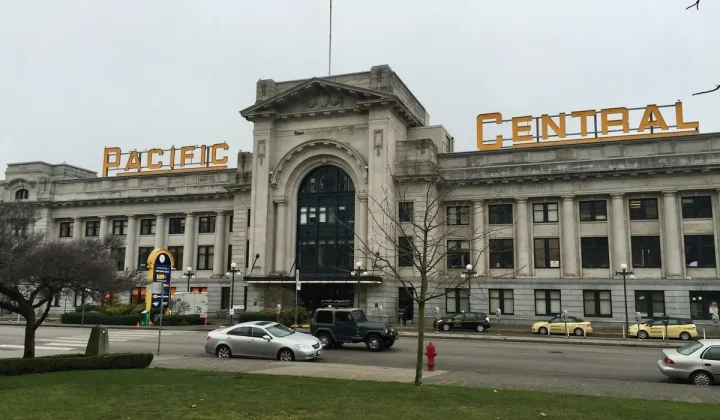
Amtrak Cascades Boosts Vancouver-Seattle Travel Time with Border Preclearance
New US customs screening at Vancouver's Pacific Central Station slashes journey times by at least 10 minutes, with further reductions anticipated as…
Read update
SoFi Stadium Workers Secure Historic Contract Ahead of World Cup 2026
A potential strike at SoFi Stadium has been averted, with workers securing a new contract that includes significant wage increases, enhanced job…
Read update