
Understanding London’s Planning Application Process
A comprehensive guide to navigating the complexities of planning applications in London, from submission to decision.

Navigating the planning application process in London can seem daunting, but understanding its stages and key players is crucial for residents, developers, and stakeholders alike. This guide provides an overview of how planning applications are handled within the city, drawing on established procedures and official guidance.
What is a Planning Application?
A planning application is a formal request to a local planning authority (LPA) for permission to carry out building or other development. In London, this typically means applications submitted to one of the 32 borough councils or the Greater London Authority (GLA) for major strategic sites. The process ensures that development aligns with local and national planning policies, considering factors like design, environmental impact, infrastructure, and community benefit.
Types of Planning Applications
There are several types of planning applications, each with specific requirements:
- Full Planning Permission: For new developments or significant alterations.
- Outline Planning Permission: For a general approval of land use, with detailed plans to be submitted later.
- Reserved Matters: Detailed plans submitted after outline permission has been granted.
- Prior Approval: For certain types of development that can be approved by the LPA without a full application, such as some permitted development rights.
- Listed Building Consent: Required for any works that would affect the character of a listed building.
- Conservation Area Consent: Required for demolition in a conservation area.
The Application Submission
The first step involves preparing and submitting the application. This typically requires detailed plans, elevations, site surveys, and supporting documents that demonstrate how the proposal meets planning policies. Many LPAs now offer online submission portals, streamlining the process. Applicants must identify the correct LPA and adhere to their specific validation requirements.
Initial Assessment and Validation
Once submitted, the LPA will validate the application to ensure all necessary documents and fees have been provided. If incomplete, the application will be returned, or the applicant will be asked to provide the missing information. A valid application triggers the formal consultation period.
Public Consultation and Neighbour Notification
A crucial stage involves public notification. Neighbours likely to be affected by the development are notified directly, and site notices may be posted. The application is also advertised, usually in a local newspaper or on the LPA’s website. This period allows the public and statutory consultees (like Transport for London, Historic England, or the Environment Agency) to review the plans and submit comments or objections. The LPA must consider all valid representations.
Internal and External Consultation
Within the LPA, the application is reviewed by various departments, including planning officers, conservation officers, highways engineers, and environmental health officers. External statutory consultees are also engaged where relevant to the development’s nature and location. Their advice informs the planning officer’s recommendation.
Assessment Against Planning Policies
The planning officer assigned to the application will assess the proposal against relevant local and national planning policies. This includes the London Plan, the relevant borough’s Local Plan, and national planning frameworks. Key considerations include:
- Design and Appearance: Does the proposal enhance or detract from the urban environment?
- Impact on Neighbours: Considerations such as loss of light, overshadowing, and overlooking.
- Environmental Impact: Including flood risk, drainage, and sustainability.
- Transport and Access: Impact on existing infrastructure and accessibility.
- Heritage and Conservation: Impact on listed buildings and conservation areas.
- Viability: For affordable housing contributions.
The Planning Officer’s Report and Recommendation
Based on the assessment and consultation responses, the planning officer will write a report detailing the application, the representations received, and the relevant planning policies. The report concludes with a recommendation to either approve or refuse the application, possibly with conditions.
The Decision-Making Process
The decision is made either by a senior planning officer under delegated powers (for smaller, less contentious applications) or by the borough’s Planning Committee. The Planning Committee is composed of elected councillors who hear the case, including presentations from the applicant, objectors, and the planning officer, before voting on the recommendation. For major strategic applications, the Mayor of London may also have a role.
Conditions and Obligations
If an application is approved, it may be subject to conditions. These are legally binding requirements that must be met by the applicant, often relating to aspects like materials, landscaping, hours of construction, or the provision of affordable housing (via a Section 106 agreement). Failure to comply with conditions can lead to enforcement action.
Appeals
If an applicant is dissatisfied with the decision (refusal or conditions imposed), they have the right to appeal to the Planning Inspectorate. The inspector will review the case and make a final decision.
Engaging with the Process
For residents and interested parties, active engagement is key. This means:
- Monitoring Applications: Regularly check your local council’s planning portal.
- Submitting Comments: Make your views known during the consultation period. Be specific and refer to planning policies.
- Attending Planning Committees: Understand the democratic decision-making process.
Understanding the London planning application process empowers individuals and communities to participate effectively in shaping the city’s built environment.
Historial de cambios
Ultima revision y actualizacion: 11 June 2026.
Latest related updates

Designing London’s Public Spaces for a Resilient Future
As London confronts the increasing impacts of climate change, its vital public spaces – from bustling squares to green parks – are…
Read update
Chicago Urbanism Debates Intensify After Cyclist Fatality and Official’s Controversial Remarks
A tragic cycling death in Chicago has ignited a fierce debate over street safety and political rhetoric, highlighting divisions among city officials…
Read update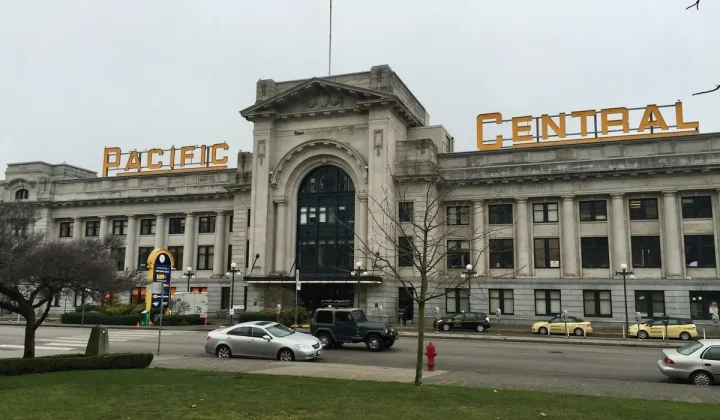
Amtrak Cascades Boosts Vancouver-Seattle Travel Time with Border Preclearance
New US customs screening at Vancouver's Pacific Central Station slashes journey times by at least 10 minutes, with further reductions anticipated as…
Read update
SoFi Stadium Workers Secure Historic Contract Ahead of World Cup 2026
A potential strike at SoFi Stadium has been averted, with workers securing a new contract that includes significant wage increases, enhanced job…
Read update