
Understanding London’s Planning Application Process
A comprehensive guide to navigating the complexities of London's planning application system, from submission to decision.
The process of seeking planning permission in London can appear daunting to residents, developers, and stakeholders alike. Understanding the steps involved, the documentation required, and the roles of various authorities is crucial for successful outcomes. This wiki page aims to demystify the London planning application process, providing a clear overview for anyone involved or interested in the city’s development.
What is a Planning Application?
A planning application is a formal request to a local planning authority (LPA) for permission to carry out building or other development. In London, most LPAs are the borough councils, although some strategic applications may be handled by the Greater London Authority (GLA). The system ensures that development is planned and managed effectively, considering its impact on the environment, infrastructure, and the wider community.
The Stages of a Planning Application
The journey of a planning application involves several key stages:
Pre-application Advice
Before submitting a formal application, it is often beneficial to seek pre-application advice from the LPA. This can help identify potential issues early on, understand local planning policies, and refine proposals, potentially saving time and resources later.
Submission of Application
The application is submitted to the relevant LPA, typically online via the Planning Portal. It must include all necessary forms, supporting documents, and the required fee. Incomplete applications can lead to delays.
Validation
The LPA checks the submitted application to ensure it contains all the required information and documents. If valid, it is registered and assigned a reference number.
Consultation and Publicity
Once validated, the application is advertised to the public and relevant stakeholders. This typically involves site notices, newspaper advertisements, and letters to neighbours. Consultees, such as statutory bodies, local residents, and amenity groups, are invited to comment.
Assessment
Planning officers assess the application against local and national planning policies, such as the London Plan and the relevant borough’s Local Plan. They consider factors like design, impact on neighbours, heritage, flood risk, and transport.
Site Visit
An officer may conduct a site visit to better understand the proposal and its context.
Officer’s Report and Recommendation
The planning officer prepares a report detailing the assessment and provides a recommendation to the decision-maker.
Decision
The decision is usually made by a planning committee (elected councillors) for major applications or by a senior planning officer under delegated powers for smaller ones. The decision can be approval (often with conditions), refusal, or withdrawal.
Post-Decision
If approved, planning permission is granted, often subject to conditions that must be met before and during development. If refused, the applicant has the right to appeal to the Planning Inspectorate.
Key Documents in a Planning Application
A typical planning application will include a range of documents, depending on the scale and nature of the development:
- Application Forms: Standardised forms detailing the proposal.
- Plans and Drawings: Site plans, floor plans, elevations, and site location plans.
- Design and Access Statement: Explains the design principles and how access for all users has been considered.
- Heritage Statement: Assesses the impact on listed buildings or conservation areas.
- Environmental Impact Assessment (EIA): For larger developments with potentially significant environmental effects.
- Flood Risk Assessment: If the site is in an area at risk of flooding.
- Transport Assessment: For developments likely to generate significant traffic.
Common Reasons for Refusal
Understanding common grounds for refusal can help applicants avoid pitfalls:
- Conflict with Planning Policy: The proposal does not align with the Local Plan or national policy.
- Detrimental Impact on Amenities: Overlooking, loss of light, noise, or other negative impacts on neighbouring properties.
- Poor Design Quality: The design is considered out of character with the area or fails to respect its context.
- Highways and Transport Concerns: Inadequate access, parking, or traffic generation.
- Heritage and Conservation Issues: Adverse impact on historic assets.
Public Involvement in the Planning Process
The planning system is designed to facilitate public participation. Residents and community groups can:
- Comment on applications: During the consultation period, submit written comments detailing support or objections.
- Attend planning committee meetings: Observe the decision-making process for major applications and, in some cases, speak on behalf of a resident group.
- Make representations: Engage with planning officers and ward councillors during the application process.
London’s Unique Context
It’s important to remember that London has specific planning considerations due to its density, heritage, and its role as a global city. The London Plan, produced by the Mayor of London, sets out strategic planning policies for the entire city, which all borough Local Plans must align with. This adds another layer of policy to consider.
Navigating the London Urban Planning Landscape
Engaging with the planning application process in London requires diligence and an understanding of the system. By familiarising yourself with the stages, documentation, and opportunities for public input, you can more effectively contribute to the shaping of London’s urban environment. Always refer to the specific London borough’s planning department website for detailed local procedures and policies.
Historial de cambios
Ultima revision y actualizacion: 11 June 2026.
Latest related updates

Designing London’s Public Spaces for a Resilient Future
As London confronts the increasing impacts of climate change, its vital public spaces – from bustling squares to green parks – are…
Read update
Chicago Urbanism Debates Intensify After Cyclist Fatality and Official’s Controversial Remarks
A tragic cycling death in Chicago has ignited a fierce debate over street safety and political rhetoric, highlighting divisions among city officials…
Read update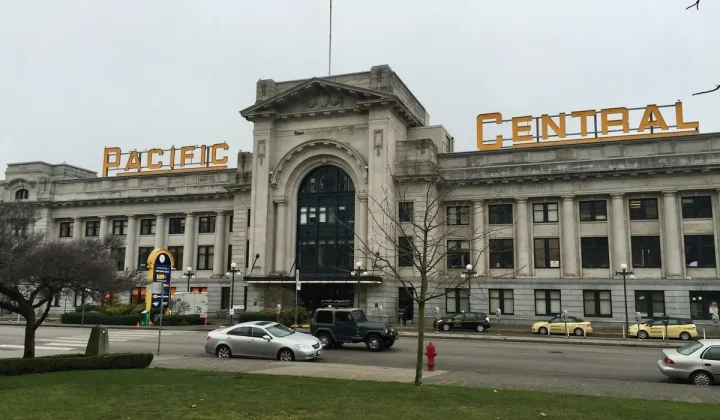
Amtrak Cascades Boosts Vancouver-Seattle Travel Time with Border Preclearance
New US customs screening at Vancouver's Pacific Central Station slashes journey times by at least 10 minutes, with further reductions anticipated as…
Read update
SoFi Stadium Workers Secure Historic Contract Ahead of World Cup 2026
A potential strike at SoFi Stadium has been averted, with workers securing a new contract that includes significant wage increases, enhanced job…
Read update