
Understanding London’s Planning Application Process
A comprehensive guide to navigating the process of submitting and understanding planning applications in London, from initial submission to decision.

Navigating the planning application process in London can seem complex, but understanding its key stages is crucial for residents, developers, and anyone interested in the city’s urban development. This wiki page aims to demystify the journey of a planning application from its inception to its final outcome.
What is a Planning Application?
A planning application is a formal request to a local planning authority (in London, typically a borough council or sometimes the Greater London Authority for major projects) for permission to carry out building or engineering works, or a change of use of land or buildings. Most new developments, significant alterations, and changes in land use require planning permission.
The Role of Local Planning Authorities
Each London borough has a dedicated planning department responsible for receiving, assessing, and determining planning applications within their jurisdiction. They work according to national planning policy, the London Plan (the spatial development strategy for Greater London), and their own Local Plans, which set out detailed planning policies for their borough.
Submitting a Planning Application
The process typically begins with the applicant (or their agent, such as an architect or planning consultant) preparing and submitting an application. This usually involves:
- Application Forms: Standardised forms provided by the local authority.
- Plans and Drawings: Detailed architectural drawings, site plans, and elevations.
- Supporting Documents: This can include design and access statements, heritage statements, environmental impact assessments, traffic surveys, and more, depending on the scale and nature of the development.
- Application Fee: A fee is payable to the local authority, the amount of which is set by national regulations.
Applications can often be submitted online through the Planning Portal or directly to the local authority’s planning portal.
Validation and Registration
Once submitted, the local planning authority will check if the application is complete and valid. If it meets the required standards, it will be registered, and an application reference number will be issued. If it’s incomplete, the authority will request the missing information.
Public Consultation and Neighbour Notification
A key part of the process is public engagement. For most applications, neighbours will be notified, and notices may be displayed on-site or in the local press. The application details, including plans and supporting documents, are made publicly available for inspection, usually online. This allows interested parties, including residents, community groups, and statutory consultees (like Historic England or the Environment Agency), to submit comments or objections within a specified period, typically 21 days.
Assessment and Officer Recommendation
A planning case officer is assigned to each application. They will assess the proposal against relevant planning policies, consider the comments received during the consultation period, and may conduct site visits. They will weigh the benefits of the development against any potential harm and consider factors such as design, impact on neighbours, highways, environment, and heritage. The officer then prepares a report recommending whether the application should be approved or refused.
Decision Making
The decision is usually made by:
- Delegated Powers: For minor applications, the decision is often made by senior planning officers under delegated authority.
- Planning Committee: For more significant or controversial applications, the decision is made by elected councillors at a Planning Committee meeting. The case officer presents their report and recommendation, and the applicant or their representative, along with objectors, may be given an opportunity to speak before the committee debates and votes.
Appeals
If an applicant is dissatisfied with the decision to refuse planning permission, or with conditions attached to an approval, they have the right to appeal to the Planning Inspectorate. Appeals are typically decided by written representations, hearings, or public inquiries.
Key Documents in the Planning Process
| Document Type | Purpose | Who Prepares/Uses It? |
|---|---|---|
| Planning Application Form | Formal request for permission | Applicant/Agent |
| Design and Access Statement | Explains the design principles and access considerations | Applicant/Agent |
| Site Plan | Shows the proposed development in relation to its surroundings | Applicant/Agent |
| Officer’s Report | Assesses the application against policy and recommends a decision | Local Planning Authority Officer |
| Committee Report | Summarises the application, consultation, and officer recommendation | Local Planning Authority Officer |
| Decision Notice | Formal notification of approval or refusal, with conditions | Local Planning Authority |
| Appeal Statement | Applicant’s case for overturning a refusal/decision | Applicant/Agent |
| Inspector’s Decision | Final decision by the Planning Inspectorate | Planning Inspectorate |
Understanding the planning application process is fundamental to shaping London’s built environment. By familiarising yourself with these stages, you can better engage with developments in your neighbourhood and contribute to the ongoing dialogue about urban planning and design in the city.
Historial de cambios
Ultima revision y actualizacion: 11 June 2026.
Latest related updates

Designing London’s Public Spaces for a Resilient Future
As London confronts the increasing impacts of climate change, its vital public spaces – from bustling squares to green parks – are…
Read update
Chicago Urbanism Debates Intensify After Cyclist Fatality and Official’s Controversial Remarks
A tragic cycling death in Chicago has ignited a fierce debate over street safety and political rhetoric, highlighting divisions among city officials…
Read update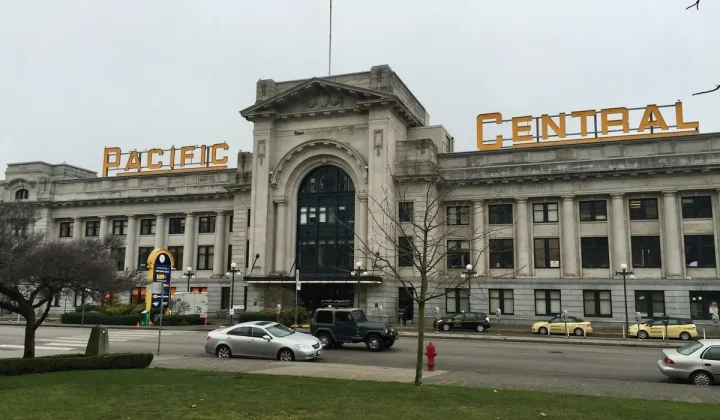
Amtrak Cascades Boosts Vancouver-Seattle Travel Time with Border Preclearance
New US customs screening at Vancouver's Pacific Central Station slashes journey times by at least 10 minutes, with further reductions anticipated as…
Read update
SoFi Stadium Workers Secure Historic Contract Ahead of World Cup 2026
A potential strike at SoFi Stadium has been averted, with workers securing a new contract that includes significant wage increases, enhanced job…
Read update