
London’s Planning Application Process Explained
A comprehensive guide to understanding and navigating the planning application process in London, from submission to decision.
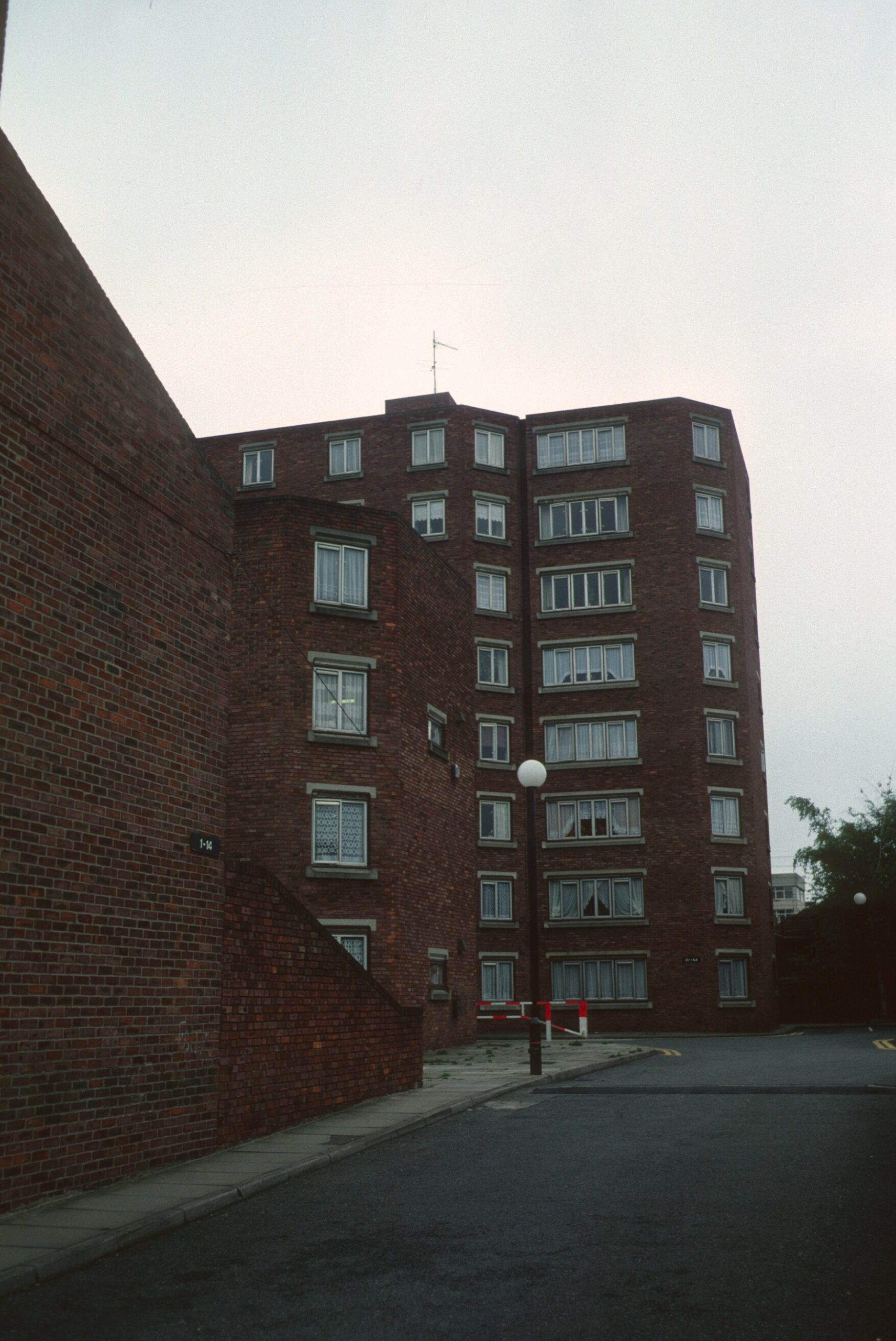
| by Miles Glendinning | openverse | by
Understanding the process for planning applications in London is crucial for anyone involved in urban development, whether as a resident, developer, or community advocate. This guide breaks down the typical stages, from initial submission to the final decision, and outlines the key considerations at each step.
What is a Planning Application?
A planning application is a formal request to a local planning authority (LPA) for permission to carry out building or other development. In London, the LPAs are typically the 32 borough councils and the Greater London Authority (GLA) for certain types of major development. The process ensures that development aligns with national and local planning policies, contributing to sustainable urban growth.
Key Stages of a Planning Application
The journey of a planning application can be complex, but it generally follows a structured path:
Pre-application Advice
Before formally submitting an application, it is highly recommended to seek pre-application advice from the relevant local planning authority. This stage allows developers to discuss their proposals with planning officers, understand potential issues, and identify relevant policies. It can save time and resources by addressing concerns early on.
Submission of the Application
The application, along with supporting documents and plans, is submitted to the LPA. These documents typically include site plans, architectural drawings, design and access statements, and environmental impact assessments where necessary. The accuracy and completeness of the submission are vital for a smooth process.
Validation
Once received, the LPA will validate the application to ensure all necessary forms and documents are present and correct. If the application is invalid, it will be returned with a request for further information.
Public Consultation
After validation, the application is made public. Neighbours are notified, and the application is advertised, often through site notices and local press. A statutory period is set for the public to make comments, objections, or support for the proposal. This is a critical phase for community engagement.
Consultation with Statutory Bodies
Relevant statutory bodies, such as Transport for London (TfL), the Environment Agency, or Historic England, may also be consulted depending on the nature and location of the development. Their input is crucial for assessing impacts on infrastructure, environment, and heritage.
Assessment by Planning Officers
Planning officers assess the application against local and national planning policies, development plans, and any comments received during the consultation period. They consider factors like design, impact on neighbours, highways, heritage, and environmental sustainability.
Planning Committee or Officer Decision
For most applications, a decision is made by a planning officer under delegated powers. However, for larger or more controversial schemes, the decision will be made by the local planning committee, which is a group of elected councillors. This provides a public forum for discussion and decision-making.
Decision Notice
The applicant will receive a formal decision notice. If permission is granted, it will usually include conditions that must be met. If permission is refused, the notice will state the reasons for refusal.
Appeals Process
If an applicant is unhappy with the decision, they have the right to appeal to the Planning Inspectorate. Appeals can be made through written representations, informal hearings, or public inquiries.
Other Considerations
Material Considerations
When making a decision, LPAs consider “material considerations.” These are factors relevant to the planning merits of a development, such as design quality, impact on local amenities, and government policy.
Non-Material Amendments
Minor changes to an approved planning permission can sometimes be made through a non-material amendment application, avoiding the need for a full new application.
Community Infrastructure Levy (CIL) and Section 106 Agreements
Developments may be subject to CIL payments, which fund local infrastructure, or Section 106 agreements, which are legal obligations to mitigate the impact of a specific development.
Navigating the London planning application process requires diligence and an understanding of the various stakeholders and policies involved. Engaging early and consulting with local authorities and communities can lead to more successful outcomes.
Comparison of Application Types
| Application Type | Description | Typical Use |
|---|---|---|
| Full Planning Permission | Requires full details of the proposed development. | New builds, major alterations, significant changes of use. |
| Outline Planning Permission | Grants permission in principle, with detailed matters to be approved later. | Useful for large or complex sites where detailed designs are not yet finalised. |
| Reserved Matters | Approval of detailed matters (e.g., appearance, landscaping) after outline. | Follows outline permission to finalise design elements. |
| Prior Approval | For certain types of development, the LPA only needs to approve specific aspects. | Permitted development rights, some agricultural or telecommunications proposals. |
| Householder Application | For extensions or alterations to existing dwellings. | Garages, loft conversions, extensions for single dwellings. |
Historial de cambios
Ultima revision y actualizacion: 11 June 2026.
Latest related updates

Designing London’s Public Spaces for a Resilient Future
As London confronts the increasing impacts of climate change, its vital public spaces – from bustling squares to green parks – are…
Read update
Chicago Urbanism Debates Intensify After Cyclist Fatality and Official’s Controversial Remarks
A tragic cycling death in Chicago has ignited a fierce debate over street safety and political rhetoric, highlighting divisions among city officials…
Read update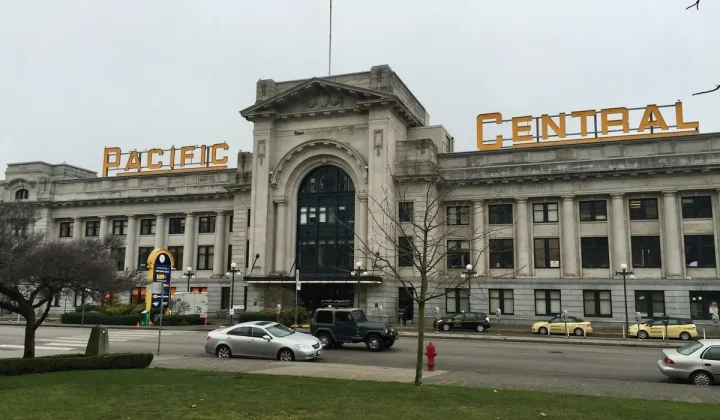
Amtrak Cascades Boosts Vancouver-Seattle Travel Time with Border Preclearance
New US customs screening at Vancouver's Pacific Central Station slashes journey times by at least 10 minutes, with further reductions anticipated as…
Read update
SoFi Stadium Workers Secure Historic Contract Ahead of World Cup 2026
A potential strike at SoFi Stadium has been averted, with workers securing a new contract that includes significant wage increases, enhanced job…
Read update