
Understanding London’s Planning Application Process
A comprehensive guide to navigating the complexities of planning applications in London, from submission to decision.
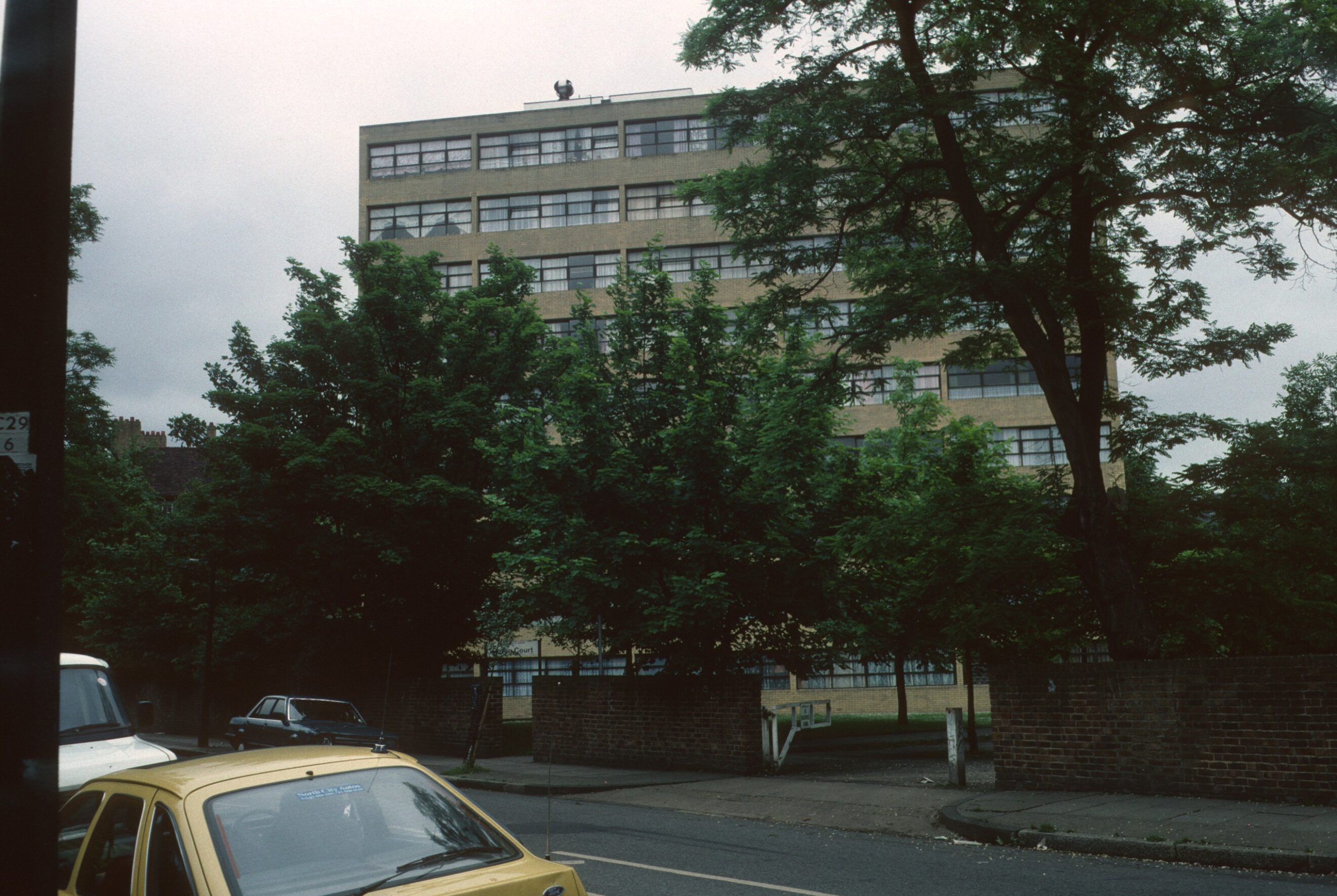
| by Miles Glendinning | openverse | by
Understanding the London planning application process is crucial for anyone interested in the city’s development, from residents and community groups to developers and urbanists. This guide breaks down the key stages involved, from initial submission to the final decision, drawing on official sources and best practices.
What is a Planning Application?
A planning application is a formal request to a local planning authority (LPA), in this case, typically a London borough council or the Greater London Authority (GLA) for major projects, for permission to carry out building or other development. This can range from small extensions to new housing estates, commercial buildings, or significant infrastructure projects. The LPA assesses whether the proposed development aligns with local and national planning policies.
Key Stages of the Planning Application Process
Pre-application Advice
Before submitting a formal application, it is highly recommended to seek pre-application advice from the relevant planning authority. This allows developers to discuss their proposals, understand potential issues, and receive guidance on requirements. Many boroughs offer this service, which can save time and resources by identifying problems early on.
Submission of the Application
Applications are typically submitted online through the Planning Portal or directly to the local council’s planning department. A complete application usually includes:
* Application form
* Plans and drawings (site location plan, block plans, elevations, floor plans)
* Design and Access Statement (for certain types of development)
* Supporting reports (e.g., environmental impact assessments, heritage statements, flood risk assessments)
* The correct application fee
Validation
Once submitted, the LPA will validate the application to ensure all necessary documents and fees have been provided. If the application is incomplete, it will be returned, or the applicant will be asked to provide the missing information.
Consultation and Publicity
After validation, the application is publicised. This typically involves:
* Notifying neighbours directly affected by the development.
* Displaying site notices.
* Advertising in local newspapers (for some applications).
* Publishing details on the council’s website.
This stage allows for public comment and objections. Residents, community groups, and other stakeholders can submit their views to the LPA within a set timeframe, usually 21 days.
Assessment and Officer Recommendation
Planning officers evaluate the application against relevant planning policies, including the Local Plan, the London Plan, national planning policy frameworks, and any material considerations. They consider the comments received during the consultation period. The officer will then prepare a report recommending whether the application should be approved or refused.
Decision Making
The decision is typically made by:
* A planning committee: For significant or contentious applications, a committee of elected councillors will debate the application and make the final decision, usually following the officer’s recommendation but not always.
* Delegated powers: For simpler or less controversial applications, a senior planning officer may have the delegated authority to make the decision.
The decision notice will outline the decision (approval or refusal) and any conditions attached to an approval. Conditions are legally binding requirements that must be met.
Post-Decision
If an application is approved, development must commence within a specified timeframe (usually three years). If an application is refused, the applicant has the right to appeal to the Secretary of State, which is handled by the Planning Inspectorate.
Appeals:
Appeals are a formal process where the applicant challenges a refusal or a decision made with unacceptable conditions. The Planning Inspectorate will review the case, and may hold a hearing or inquiry, before issuing a decision.
Engaging with the Planning Process
For residents and community groups, engaging effectively is key. This involves:
* Monitoring planning applications: Regularly check your local council’s planning portal.
* Understanding planning policies: Familiarise yourself with your borough’s Local Plan and the London Plan.
* Submitting well-reasoned comments: Focus on material planning considerations (e.g., impact on amenity, traffic, design, policy compliance) rather than personal preferences.
* Attending planning committee meetings: These are usually open to the public and offer a chance to understand the debate.
The London planning application process can appear daunting, but by understanding its stages and engaging with the relevant authorities and policies, stakeholders can contribute to shaping London’s urban environment.
Comparison of Application Types
| Application Type | Description | Typical Complexity | Stakeholder Engagement Level |
|---|---|---|---|
| Householder Application | For extensions, alterations, or outbuildings to existing dwellings. | Low to Medium | Moderate |
| Full Planning Permission | For new builds or significant alterations where all details are provided. | High | High |
| Outline Planning Permission | For development where only the broad principles are agreed, with detailed plans submitted later. | High | High |
| Listed Building Consent | Required for works affecting the character of a listed building. | High | High |
| Prior Approval | For certain permitted development rights where the council needs to approve specific details. | Low | Low to Moderate |
Historial de cambios
Ultima revision y actualizacion: 11 June 2026.
Latest related updates

The Shifting Sands of London’s Green Belt: Balancing Development and Conservation
London's Green Belt is a vital buffer against urban sprawl, but increasing housing demand and the climate crisis are putting it under…
Read update
Seattle Halts New Data Center Development for One Year Amidst Power Concerns
The Seattle City Council has approved a one-year moratorium on new data center construction, responding to concerns raised by the city's power…
Read update
San Francisco Dissolves Bicycle Advisory Committee, Raising Concerns for Cyclist Advocacy
San Francisco's Bicycle Advisory Committee, a key voice for cyclists for over 35 years, has been dissolved as part of a city-wide…
Read update
HUD Suspends Federal Funds for LA Homelessness Agency Amid Fraud Allegations
The U.S. Department of Housing and Urban Development (HUD) has moved to suspend federal funding for the Los Angeles Homeless Services Authority…
Read update