
Understanding London’s Planning Application Process
A comprehensive guide to navigating the complexities of London's planning application system, from submission to decision.
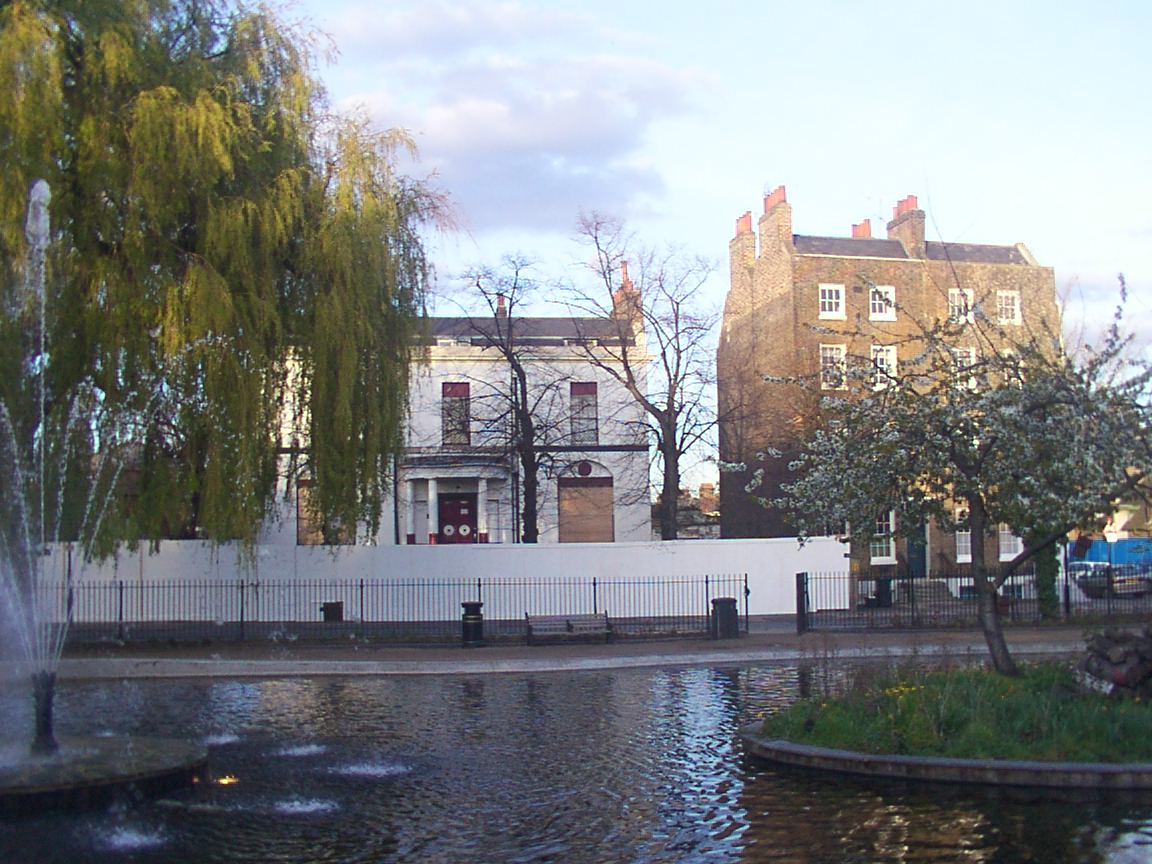
London’s urban landscape is constantly evolving, shaped by a complex system of planning applications. Understanding this process is crucial for residents, developers, and anyone interested in the city’s development. This wiki page provides a detailed overview of how planning applications are submitted, assessed, and decided upon within London.
Key Stages of a Planning Application
The planning application process in London follows a structured path, typically involving the following stages:
Pre-Application Advice
Before submitting a formal application, it is often beneficial to seek pre-application advice from the relevant local planning authority (LPA). This can help identify potential issues, clarify requirements, and streamline the subsequent application process.
Submission of Application
Applications are typically submitted online through the Planning Portal or directly to the LPA. This involves completing the relevant forms and providing supporting documents, such as architectural drawings, site plans, design and access statements, and environmental impact assessments where required.
Validation
Once submitted, the LPA will validate the application to ensure all necessary documents and fees have been provided. If the application is incomplete, it will be returned for resubmission.
Consultation
After validation, the LPA will consult with various stakeholders. This includes neighbours, community groups, statutory consultees (e.g., Historic England, Environment Agency), and relevant council departments. Public notices may be displayed, and neighbours notified directly.
Site Visit and Assessment
Planning officers will typically visit the site to assess the proposal in its context. They will evaluate the application against local and national planning policies, material considerations, and any objections or comments received during the consultation period.
Officer’s Report
A planning officer will prepare a report detailing the proposal, the planning context, the policies considered, and the consultation responses. This report will conclude with a recommendation on whether the application should be approved or refused.
Decision Making
The decision on a planning application is usually made by either:
* Delegated Powers: For straightforward applications, a senior planning officer may have the authority to make the decision.
* Planning Committee: For more contentious or significant applications, the decision is made by elected councillors at a Planning Committee meeting.
Appeal
If an applicant is dissatisfied with the decision, they have the right to appeal to the Planning Inspectorate.
Understanding Supporting Documents
A crucial part of the planning process is the documentation submitted with an application. Key documents often include:
| Document Type | Purpose |
|---|---|
| Planning Statement | Justifies the proposal against planning policies. |
| Design and Access Statement | Explains the design principles and how access is addressed. |
| Site Plan | Shows the proposed development in relation to the site boundaries. |
| Architectural Drawings | Illustrate the appearance, layout, and scale of the proposed building. |
| Heritage Statement | Assesses the impact on historic assets. |
| Environmental Statement | Details potential environmental impacts and mitigation measures. |
Navigating London’s Planning Policies
London’s planning decisions are guided by a hierarchy of policies, including:
* The London Plan: The overarching spatial development strategy for London, setting out strategic policies for housing, transport, environment, and more.
* Local Plans: Each London borough has its own Local Plan, which sets out detailed policies and proposals for development within that borough, consistent with the London Plan.
* National Planning Policy Framework (NPPF): Provides the national framework for planning policy in England.
Material Considerations
While planning policies are paramount, LPAs must also consider “material considerations.” These are factors relevant to the planning decision that are not explicitly covered by the policies. Examples include:
* The impact on the amenity of neighbours (e.g., loss of light, overlooking).
* The impact on traffic and highway safety.
* The impact on heritage assets.
* Concerns about noise or pollution.
* Previous planning decisions on similar sites.
Challenges and Considerations
The planning system can be complex and time-consuming. Residents may find it challenging to understand the technical details of applications or to effectively participate in the consultation process. Developers must navigate intricate regulations and ensure their proposals align with policy objectives.
For those seeking to understand the specifics of a particular development or to engage with the process, it is advisable to:
* Visit the planning portal of the relevant London borough.
* Attend Planning Committee meetings, which are usually open to the public.
* Seek advice from planning consultants if undertaking a significant development.
By demystifying the London planning application process, this guide aims to empower individuals and communities to better understand and engage with the forces shaping our city.
Historial de cambios
Ultima revision y actualizacion: 11 June 2026.
Latest related updates

The Shifting Sands of London’s Green Belt: Balancing Development and Conservation
London's Green Belt is a vital buffer against urban sprawl, but increasing housing demand and the climate crisis are putting it under…
Read update
Seattle Halts New Data Center Development for One Year Amidst Power Concerns
The Seattle City Council has approved a one-year moratorium on new data center construction, responding to concerns raised by the city's power…
Read update
San Francisco Dissolves Bicycle Advisory Committee, Raising Concerns for Cyclist Advocacy
San Francisco's Bicycle Advisory Committee, a key voice for cyclists for over 35 years, has been dissolved as part of a city-wide…
Read update
HUD Suspends Federal Funds for LA Homelessness Agency Amid Fraud Allegations
The U.S. Department of Housing and Urban Development (HUD) has moved to suspend federal funding for the Los Angeles Homeless Services Authority…
Read update