
Transport for London: A Data-Rich Resource for Urban Insights
Discover how Transport for London (TfL) serves as an invaluable source for reporting on transit, streetscapes, and service quality in the UK capital, with access to extensive data and operational information.
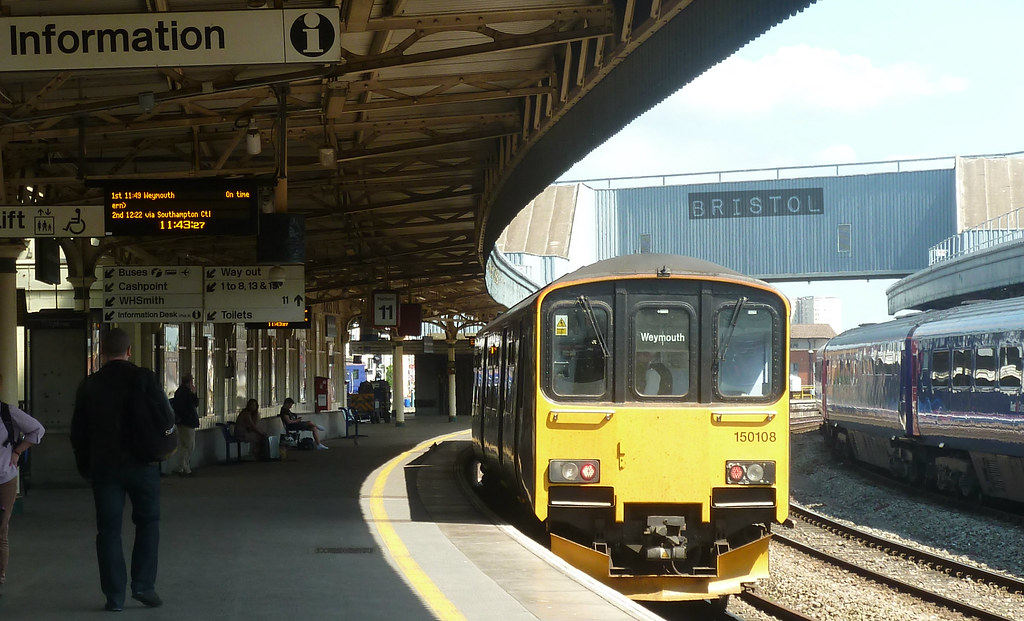
Transport for London (TfL) is the integrated body responsible for London's transport system. Beyond its operational role in managing the city's vast network of buses, Tube lines, Overground, DLR, trams, and more, TfL is a critical and accessible source of data for understanding urban dynamics. For researchers, planners, journalists, and engaged citizens, TfL provides a wealth of information that can illuminate trends in transit usage, street conditions, service reliability, and the overall quality of London's public realm.
Understanding TfL's role and data offerings is key to gaining a granular perspective on the capital's urban fabric. This reference page outlines how TfL can be leveraged as a primary source for reporting and analysis.
TfL's Operational Scope
TfL oversees a complex and extensive transport network that is central to London's daily life and economic function. Its responsibilities include:
- Public Transport Networks: Managing and regulating the Tube, London Overground, Docklands Light Railway (DLR), TfL Rail (now part of the Elizabeth line), trams, and the iconic red bus network.
- Road Network: Managing 580km of red routes, which are key arteries through London, including major roads like Park Lane and Oxford Street. This also involves traffic management, street works coordination, and the operation of congestion charging and the Ultra Low Emission Zone (ULEZ).
- Cycling and Walking: Promoting and facilitating active travel through the cycle hire scheme (Santander Cycles), cycle superhighways, and pedestrian infrastructure initiatives.
- Regulation and Planning: Setting transport policy for London, planning future developments, and working with boroughs on local transport issues.
This broad remit means TfL's data and reports offer insights into a wide array of urban phenomena, from commuter patterns to air quality initiatives and the impact of infrastructure projects.
Transit Performance and Service Quality
For reporting on public transport, TfL is the definitive source. The organisation provides regular updates and historical data on the performance of its services. This includes:
- Reliability Metrics: TfL publishes data on service punctuality, cancellations, and journey times across its different modes of transport. This information is crucial for assessing the day-to-day experience of millions of Londoners.
- Customer Satisfaction: Surveys and feedback mechanisms offer insights into passenger perceptions of service quality, cleanliness, safety, and staff helpfulness.
- Passenger Numbers: Detailed ridership figures for various lines and services, often broken down by time of day or year, can reveal commuting trends, the impact of events, and the effectiveness of service changes.
Accessing this data allows for objective reporting on the state of London's public transport, moving beyond anecdotal evidence to data-backed analysis. For example, one could track changes in Tube punctuality over time or compare customer satisfaction scores across different bus routes.
Street and Public Realm Reporting
TfL's management of London's major road network and its focus on active travel provide valuable resources for reporting on street conditions and the public realm.
- Street Works Data: TfL coordinates street works on its managed roads, and this data can be used to understand where and when disruption is occurring, and for what purposes (e.g., utility maintenance, new infrastructure).
- Traffic and Congestion: Information on traffic flow, congestion levels, and the impact of schemes like the ULEZ can be found through TfL's operational data. This is vital for reporting on air quality, traffic management strategies, and the liveability of urban areas.
- Active Travel Infrastructure: Data on the usage of Santander Cycles, the extent of cycle lanes, and pedestrian counts can inform reporting on the promotion and effectiveness of walking and cycling initiatives.
By examining TfL's purview over its road network and active travel provisions, urban observers can report on the physical transformation of London's streets and their impact on residents and businesses.
Leveraging TfL Open Data
A significant portion of TfL's wealth of information is made accessible through its Open Data platform. This initiative is designed to empower developers, researchers, and the public to use TfL data to create innovative applications, conduct research, and inform public discourse.
Key datasets available through TfL Open Data include:
| Data Type | Description | Potential Use Cases |
|---|---|---|
| Bus Route Data | Schedules, real-time locations, and historical performance for all London bus routes. | Analysing bus network coverage, punctuality, and identifying underserved areas. |
| Tube and Rail Status | Real-time and historical information on service status, delays, and disruptions across the Tube, Overground, DLR, etc. | Reporting on live transport conditions, identifying recurring network issues, and assessing service reliability. |
| Santander Cycles Data | Usage statistics, station availability, and bike availability for the cycle hire scheme. | Understanding cycling patterns, identifying popular routes, and assessing the scheme's accessibility. |
| Traffic and Road Network | Data on traffic speeds, congestion points, and road closures on TfL-managed roads. | Reporting on traffic flow, the impact of events, and the effectiveness of traffic management measures. |
| Street Works Information | Details of planned and ongoing works on TfL roads. | Assessing potential disruption, understanding infrastructure development, and monitoring street maintenance. |
The TfL Open Data portal is a cornerstone for anyone looking to conduct in-depth analysis of London's transport system and its broader implications for urban life. The availability of real-time data feeds is particularly valuable for live reporting and for developing dynamic visualisations.
Reporting on Urban Development and Planning
While TfL's primary focus is on transport operations, its strategic planning documents and reports often intersect with broader urban development and housing discussions. TfL is involved in the development of land it owns around its stations and infrastructure, often in partnership with developers.
- Development Project Information: TfL publishes information on its development pipeline, including details of projects planned on its land. This can offer insights into future housing supply, commercial spaces, and the integration of transport hubs with new communities.
- Strategic Transport Plans: TfL's long-term strategies outline its vision for the future of transport in London, which invariably includes considerations for population growth, new developments, and economic expansion. These documents are essential for understanding the context of urban planning decisions.
By consulting TfL's strategic publications, one can gain an understanding of how transport infrastructure is shaped by, and in turn shapes, London's physical growth and development.
Sources and Limits
When using Transport for London (TfL) as a source, it is important to be aware of its scope and the dynamic nature of the data it provides. TfL is the definitive source for its own operational data, service performance, and strategic plans concerning London's transport network.
The official sources for this information are:
- Transport for London: https://tfl.gov.uk/
- TfL Open Data: https://tfl.gov.uk/info-for/open-data-users/
Limits of Use
- Data Volatility: Real-time data on service status, traffic, and cycle hire availability is subject to constant change. For any reporting that requires precise, up-to-the-minute accuracy, users must consult the live feeds or the most recently updated official reports.
- Scope: TfL's data primarily covers its own managed infrastructure and services. For transport or street-related issues within the London Boroughs' remit (e.g., many residential streets, non-red route roads), information may need to be sourced from individual borough councils.
- Interpretation: While TfL provides raw data and performance metrics, interpretation of this data in the context of urban planning, social equity, or economic impact requires an understanding of urban studies principles. TfL's own published reports and analyses can provide context, but external analysis is often necessary for comprehensive reporting.
- Dynamic Information: Details such as project statuses, funding allocations, regulatory changes (e.g., ULEZ expansion details), and future plans are subject to change. Readers should always verify the latest information directly on the official TfL website.
By understanding both the power and the limitations of TfL as a data source, urban professionals and the public can effectively utilise the information to report on and understand London's complex and ever-evolving urban landscape.
Fuentes
- [{"name": "Transport for London", "url": "https://tfl.gov.uk/"}, {"name": "TfL Open Data", "url": "https://tfl.gov.uk/info-for/open-data-users/"}]
Historial de cambios
Ultima revision y actualizacion: 1 June 2026.
Latest related updates
The Shifting Sands of London’s Green Belt: Balancing Development and Conservation
London's Green Belt is a vital buffer against urban sprawl, but increasing housing demand and the climate crisis are putting it under…
Read update
Seattle Halts New Data Center Development for One Year Amidst Power Concerns
The Seattle City Council has approved a one-year moratorium on new data center construction, responding to concerns raised by the city's power…
Read update
San Francisco Dissolves Bicycle Advisory Committee, Raising Concerns for Cyclist Advocacy
San Francisco's Bicycle Advisory Committee, a key voice for cyclists for over 35 years, has been dissolved as part of a city-wide…
Read update
HUD Suspends Federal Funds for LA Homelessness Agency Amid Fraud Allegations
The U.S. Department of Housing and Urban Development (HUD) has moved to suspend federal funding for the Los Angeles Homeless Services Authority…
Read update