
Transport for London: A Data-Rich Source for Urban Analysis
Exploring Transport for London (TfL) as an authoritative source for data on London's transit networks, streetscapes, and service quality, essential for urban planning and reporting.
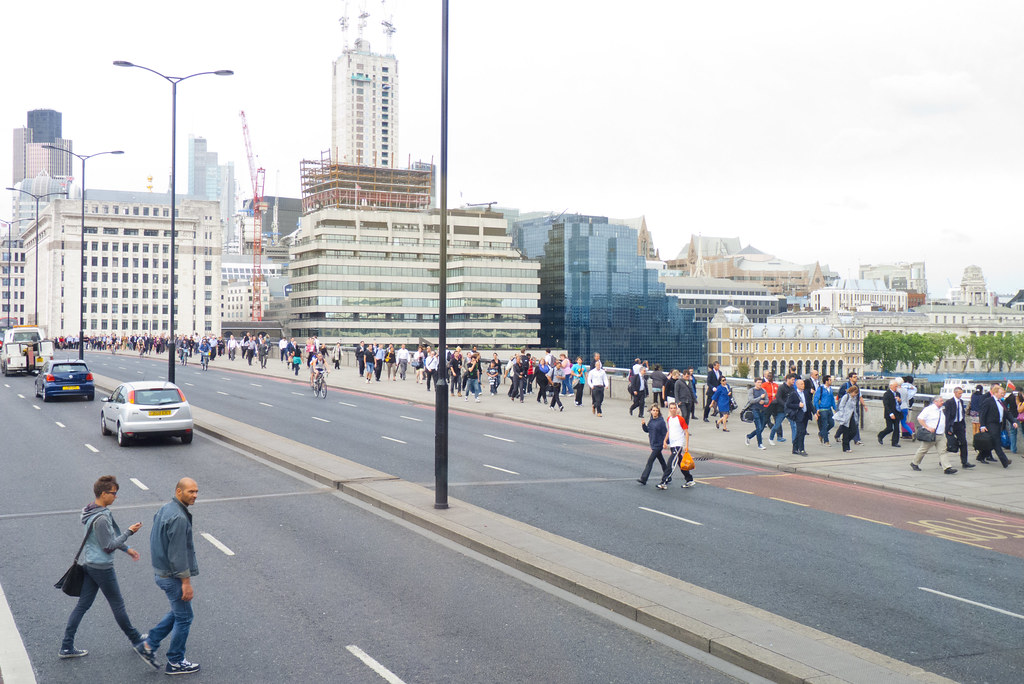
Transport for London (TfL) is a cornerstone for anyone seeking to understand and report on the complex urban fabric of the UK's capital. As the integrated body responsible for most of the transport system in London, TfL provides a wealth of data and information that is indispensable for urban planners, researchers, journalists, and engaged citizens. Its remit covers not only the iconic Tube and bus networks but also Overground, DLR, trams, cycling infrastructure, river services, and much of the city's road network. This comprehensive oversight makes TfL an authoritative source for insights into transit performance, street management, and the quality of public services that shape daily life in London.
Understanding TfL's Role
Established in 2000, TfL operates under the Greater London Authority and is tasked with delivering the Mayor of London's transport strategy. Its mandate is broad, encompassing the planning, management, and operation of London's transport network. This includes setting fares, managing infrastructure, enforcing regulations, and promoting sustainable travel. For those analysing urbanism, TfL's influence extends beyond simply moving people; it profoundly impacts land use, economic development, public health, and the overall liveability of the city.
Reporting on Transit Performance
TfL's public-facing website, tfl.gov.uk, offers a vast repository of information on the current state of London's transport services. This includes real-time service updates, planned engineering works, and historical performance data. For reporting on transit, this is invaluable. For instance, understanding passenger numbers, journey times, and service reliability can be crucial for assessing the effectiveness of transport investments or identifying areas for improvement.
Key areas where TfL provides data include:
- Passenger Journeys: Detailed statistics on passenger volumes across different modes of transport, offering insights into travel patterns and demand.
- Service Punctuality and Reliability: Data on how often services run on time, providing a measure of service quality and customer experience.
- Network Performance: Information on the operational status of various lines and routes, including delays and disruptions.
- Fare Information: Details on ticket prices, zones, and travelcard options, which influence accessibility and affordability.
When reporting on transit performance, it is vital to consult TfL's official publications and data portals. Information such as specific punctuality targets or funding allocations can be subject to change, and readers should always verify current details on the tfl.gov.uk website.
Street Management and Public Realm
Beyond public transport, TfL plays a significant role in managing London's road network, particularly its 580km of red routes. These are the main arterial roads that carry a significant proportion of the city's bus services and traffic. TfL's responsibilities include traffic management, road safety initiatives, and the implementation of policies like the Ultra Low Emission Zone (ULEZ).
For urbanists interested in streetscapes and the public realm, TfL's data can illuminate:
- Traffic Congestion: Data on traffic flow and congestion hotspots, informing analysis of urban mobility challenges.
- Road Safety Statistics: Accidents and casualty data on the TfL road network, crucial for public health and urban design assessments.
- Cycling and Walking Infrastructure: Information on the development and usage of cycle superhighways and pedestrian routes, reflecting policies promoting active travel.
- Streetworks Coordination: TfL's role in coordinating utility and road maintenance works on its network impacts traffic and public access.
The management of these streets directly influences the experience of Londoners, affecting air quality, noise levels, and the safety and attractiveness of areas for walking and cycling.
Service Quality and User Experience
TfL is committed to improving service quality and user experience across its network. This commitment is reflected in its data collection and reporting, which often includes user feedback and satisfaction surveys. For reporting on the quality of public services, these metrics are essential.
Areas of focus for service quality include:
- Customer Satisfaction: Regular surveys gauge passenger satisfaction with various aspects of the transport service, from cleanliness and staff helpfulness to the overall journey experience.
- Accessibility: Information on the accessibility of stations and vehicles for people with disabilities, including step-free access and audio-visual announcements.
- Safety and Security: Data on measures taken to ensure passenger safety and security, including the presence of staff and CCTV.
- Environmental Performance: TfL's initiatives and data related to reducing its environmental impact, such as emissions from its fleet and energy consumption.
Understanding these aspects allows for a nuanced assessment of how well London's transport system serves its diverse population.
Leveraging TfL Open Data
For more in-depth analysis and custom reporting, TfL Open Data (data.tfl.gov.uk) is an indispensable resource. This platform provides access to a vast array of datasets in machine-readable formats, enabling detailed research and the development of innovative applications. The availability of this data democratises access to information about London's transport system, fostering transparency and innovation.
The TfL Open Data portal offers datasets covering:
- Tube and Rail Performance: Detailed logs of train movements, delays, and cancellations.
- Bus Data: Real-time bus locations, historical journey times, and passenger counts.
- Station Usage: Footfall data for Tube and Overground stations.
- Traffic Data: Information on traffic sensors and journey times across the network.
- Fare and Ticketing Data: Aggregated data on ticket sales and fare revenue.
This data can be used to:
- Map congestion patterns: Analyse traffic flow over time and identify peak periods.
- Assess the impact of new infrastructure: Evaluate the usage and effectiveness of new lines or stations.
- Investigate service disparities: Identify differences in service quality or reliability between different routes or areas.
- Develop predictive models: Create tools to forecast travel times or passenger demand.
The TfL Open Data portal is a powerful tool for anyone undertaking detailed urban analysis. As with all data, understanding its limitations, update frequency, and the specific definitions used is crucial for accurate reporting.
Examples of Data Use in Urban Analysis
The data provided by TfL can inform a wide range of urbanism-related reports. For example:
| Data Type | Potential Reporting Focus | Source Type |
|---|---|---|
| Bus Passenger Data | Impact of bus service changes on local communities, accessibility of services | TfL Open Data, tfl.gov.uk |
| Station Footfall | Identifying areas of high pedestrian activity, planning for new amenities | TfL Open Data |
| Road Safety Incidents | Assessing risks in specific street environments, informing street design | tfl.gov.uk, TfL Open Data |
| Cycle Hire Usage | Evaluating the success of cycle hire schemes, planning for expansion | TfL Open Data |
| Service Punctuality | Measuring the reliability of transport for commuters, economic impact | tfl.gov.uk, TfL Open Data |
These examples highlight how TfL's data can translate into concrete insights for urban planning and reporting, whether focusing on the efficiency of transit, the usability of streets, or the overall quality of services that define urban living.
Sources and Limits
Transport for London (TfL) is the primary source of official information regarding London's transport network. Their public website, tfl.gov.uk, provides comprehensive details on services, policies, and operational status. For in-depth data analysis, the TfL Open Data portal at data.tfl.gov.uk offers a rich repository of datasets.
While TfL aims to provide accurate and up-to-date information, it is essential for readers to be aware of the dynamic nature of transport data. Specific project details, funding figures, policy implementations, and service performance metrics can change. Therefore, for the most current and definitive information, always refer directly to the official sources:
- Transport for London: https://tfl.gov.uk/
- TfL Open Data: https://tfl.gov.uk/info-for/open-data-users/
By grounding reports in these authoritative sources, urban analysts can ensure accuracy and provide valuable context on London's evolving urban environment.
Fuentes
- [{"name": "Transport for London", "url": "https://tfl.gov.uk/"}, {"name": "TfL Open Data", "url": "https://tfl.gov.uk/info-for/open-data-users/"}]
Historial de cambios
Ultima revision y actualizacion: 27 May 2026.
Latest related updates

The Shifting Sands of London’s Green Belt: Balancing Development and Conservation
London's Green Belt is a vital buffer against urban sprawl, but increasing housing demand and the climate crisis are putting it under…
Read update
Seattle Halts New Data Center Development for One Year Amidst Power Concerns
The Seattle City Council has approved a one-year moratorium on new data center construction, responding to concerns raised by the city's power…
Read update
San Francisco Dissolves Bicycle Advisory Committee, Raising Concerns for Cyclist Advocacy
San Francisco's Bicycle Advisory Committee, a key voice for cyclists for over 35 years, has been dissolved as part of a city-wide…
Read update
HUD Suspends Federal Funds for LA Homelessness Agency Amid Fraud Allegations
The U.S. Department of Housing and Urban Development (HUD) has moved to suspend federal funding for the Los Angeles Homeless Services Authority…
Read update