
Transport for London: A Comprehensive Source for Urban Data
Explore how Transport for London (TfL) serves as a vital resource for understanding London's transit network, streetscape, and service quality, leveraging official data for urban planning and reporting.
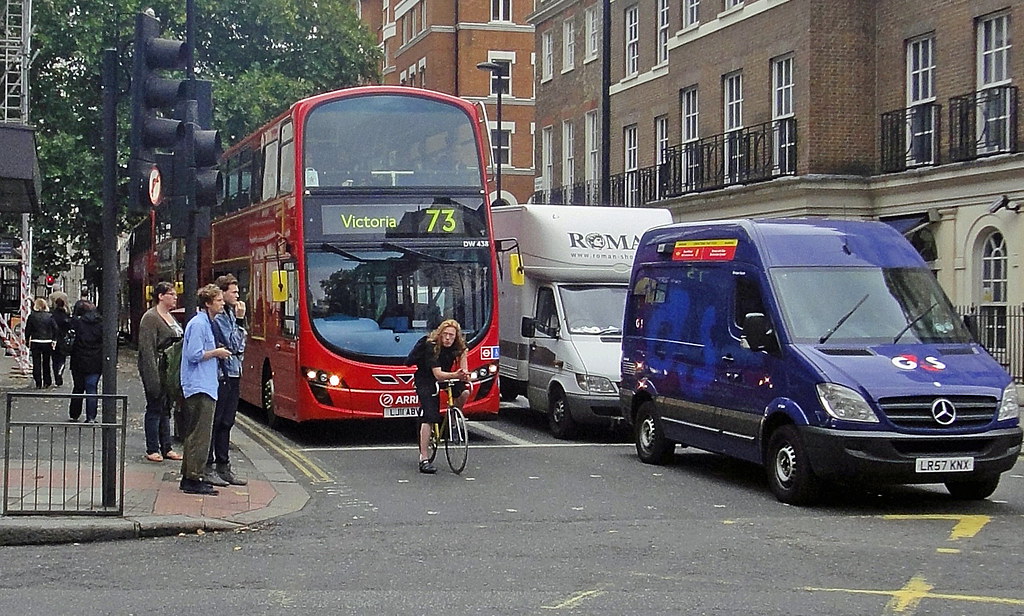
London's intricate transport ecosystem is managed and informed by Transport for London (TfL), a vital organization that also serves as an indispensable source of data for urbanists, planners, researchers, and the public. Beyond its core function of operating and maintaining the city's vast network of buses, the Tube, Overground, DLR, trams, and the Elizabeth line, TfL provides a wealth of information that sheds light on transit performance, street-level conditions, and the quality of public services. This reference page explores TfL's role as a data provider, highlighting its official resources and the insights they offer for understanding and improving urban life in London.
Understanding the Scope of TfL's Data
Transport for London's remit is extensive, covering not only the movement of people but also the infrastructure and services that facilitate it. This includes:
- Public Transport Network: The daily operation and planning of over 572 Tube stations, 24,000 bus stops, and extensive rail and tram networks.
- Road Network: Management of the TfL Road Network (TLRN), which comprises over 340 miles of vital London roads, including the red routes, and is crucial for understanding traffic flow, street design, and safety.
- Cycling and Walking: Infrastructure and strategy development for active travel, including cycle superhighways and pedestrian zones.
- Service Quality: Monitoring and reporting on the performance of its services, from punctuality and reliability to customer satisfaction and accessibility.
TfL's commitment to transparency and data-driven decision-making makes its official channels a primary reference point for anyone seeking to analyze or report on these multifaceted aspects of London's urban environment.
Transit Reporting and Performance Metrics
For reporting on London's transit, TfL offers a robust set of data points that allow for detailed analysis of network performance. This data is crucial for assessing efficiency, identifying areas for improvement, and understanding passenger experience.
Key areas of transit reporting include:
- Service Punctuality and Reliability: TfL publishes data on how often services run on time, delays, and cancellations across its various modes. This is essential for evaluating the effectiveness of service delivery.
- Passenger Numbers and Flow: Understanding passenger volumes at different times of the day and across different lines or routes provides insights into travel patterns, demand management, and capacity planning.
- Fare Revenue and Ticketing Data: Information on how passengers pay for their journeys and the revenue generated can inform economic analyses and service investment decisions.
- Accessibility: TfL provides information on the accessibility of stations and services, detailing step-free access, tactile paving, and other facilities for passengers with disabilities.
The TfL website provides detailed performance reports, often updated regularly. For granular data, especially for historical analysis or specific research projects, the TfL Open Data portal is invaluable.
Streetscape and Public Realm Insights
Beyond the operational aspects of transit, TfL's data also offers significant insights into London's streetscape and public realm. The management of the TfL Road Network (TLRN) means TfL holds data relevant to traffic management, road safety, and the design of urban spaces.
Areas where TfL data is relevant to streetscape reporting include:
- Traffic Flow and Congestion: Data on traffic speeds, congestion points, and journey times on the TLRN can inform urban planning related to traffic management and the impact of development on road networks.
- Road Safety: TfL publishes accident statistics and road safety initiatives, providing critical data for understanding safety issues on London's major roads and for developing targeted interventions.
- Street Furniture and Infrastructure: While not always directly published as datasets, TfL's responsibilities for street furniture, signage, and lighting on the TLRN mean they are a central point for information concerning the physical fabric of these key urban corridors.
- Streetworks and Road Closures: Information on planned and ongoing streetworks and temporary road closures are essential for understanding disruptions and their management, impacting local businesses and residents.
By analyzing TfL's data concerning the road network, urban planners can better understand the interplay between traffic, public space, and infrastructure.
Service Quality and User Experience
Measuring and reporting on service quality is fundamental to TfL's mission. This data is vital for assessing how well the transport system meets the needs of Londoners and visitors.
Key indicators of service quality include:
- Customer Satisfaction Surveys: TfL regularly conducts surveys to gauge passenger satisfaction with various aspects of their journey, from the cleanliness of stations and vehicles to the helpfulness of staff.
- Complaint Data: Analysis of customer complaints can highlight recurring issues and areas requiring immediate attention.
- On-Board Experience: Data related to overcrowding, comfort, and the general on-board experience contributes to a holistic view of service quality.
- Information Provision: The effectiveness of real-time information, journey planners, and customer service channels is also a critical component of service quality.
These metrics, often available through TfL's official reporting, allow for a nuanced understanding of user experience and inform service improvements.
Accessing TfL Data: Official Resources
Transport for London makes its data accessible through several official channels, catering to different needs:
Transport for London Website (tfl.gov.uk): This is the primary source for general information, news, performance reports, and policy documents. Users can find detailed information on specific lines, routes, and ongoing projects. For reporting on service quality and overall performance, the main website is an excellent starting point.
TfL Open Data (tfl.gov.uk/info-for/open-data-users/): This dedicated portal provides access to a wide range of datasets that can be downloaded and analyzed. It is designed for developers, researchers, and anyone who needs raw data for in-depth analysis. Datasets cover areas such as:
* Tube and Rail Performance
* Bus Performance and Routes
* Traffic Data
* Cycling and Walking Data
* Station Information
Here's a snapshot of the types of data available via TfL Open Data:
| Data Category | Key Information Provided | Potential Use Cases |
|---|---|---|
| Tube & Rail Status | Real-time and historical performance, delays, closures | Reliability analysis, journey planning optimization |
| Bus Performance | Punctuality, journey times, ridership by stop | Route efficiency assessment, service planning |
| Traffic Speed | Average speeds on the TfL Road Network | Congestion analysis, impact assessment of interventions |
| Station Facilities | Accessibility features, step-free access information | Urban planning for inclusivity, user experience reporting |
| Cycling Counts | Bicycle counts at various locations | Active travel infrastructure planning, modal shift analysis |
Using TfL's data requires an understanding of its structure and limitations, which are typically well-documented on the Open Data portal.
Reporting and Urban Planning Applications
The data provided by TfL is not merely for operational oversight; it's a critical resource for urban planning and reporting. Urbanists can use this data to:
- Assess Transport Accessibility: Understand how well different areas of London are served by public transport, informing housing development and regeneration strategies.
- Analyze Travel Demand: Identify patterns in passenger movement to forecast future needs and plan for infrastructure upgrades.
- Evaluate Street Network Performance: Use traffic and road safety data to inform street design, traffic calming measures, and pedestrianization schemes.
- Monitor Environmental Impact: Analyze data related to transport emissions and modal shift to contribute to sustainability goals.
- Report on Service Equity: Examine how service quality and accessibility vary across different boroughs or demographic groups, ensuring equitable provision.
For any reporting that touches upon London's movement, infrastructure, or public services, referring to TfL's official publications and datasets is essential for accuracy and credibility.
Sources and Limits
Transport for London (TfL) is the primary source for information on London's transport network, streetscape management (for the TfL Road Network), and service quality. The data and reports provided by TfL are subject to updates and changes as services evolve and data collection methods are refined. Readers are advised to consult the official TfL sources for the most current and detailed information.
- Transport for London: https://tfl.gov.uk/
- TfL Open Data: https://tfl.gov.uk/info-for/open-data-users/
When using TfL data, it is important to be aware of its specific scope. For example, TfL's direct responsibility for the road network is limited to the TfL Road Network (TLRN); other roads are managed by individual London boroughs. Similarly, performance data reflects TfL's operational control and may not encompass all aspects of a passenger's journey outside its network. Always refer to the documentation provided with specific datasets for precise definitions and limitations.
Fuentes
- [{"name": "Transport for London", "url": "https://tfl.gov.uk/"}, {"name": "TfL Open Data", "url": "https://tfl.gov.uk/info-for/open-data-users/"}]
Historial de cambios
Ultima revision y actualizacion: 8 June 2026.
Latest related updates

The Shifting Sands of London’s Green Belt: Balancing Development and Conservation
London's Green Belt is a vital buffer against urban sprawl, but increasing housing demand and the climate crisis are putting it under…
Read update
Seattle Halts New Data Center Development for One Year Amidst Power Concerns
The Seattle City Council has approved a one-year moratorium on new data center construction, responding to concerns raised by the city's power…
Read update
San Francisco Dissolves Bicycle Advisory Committee, Raising Concerns for Cyclist Advocacy
San Francisco's Bicycle Advisory Committee, a key voice for cyclists for over 35 years, has been dissolved as part of a city-wide…
Read update
HUD Suspends Federal Funds for LA Homelessness Agency Amid Fraud Allegations
The U.S. Department of Housing and Urban Development (HUD) has moved to suspend federal funding for the Los Angeles Homeless Services Authority…
Read update