
Transport for London (TfL) as a Source for Urban Reporting
Explore Transport for London (TfL) as a vital source for reporting on transit, street conditions, and service quality across the capital. This reference details how TfL's public information and open data initiatives can inform urbanism reporting.
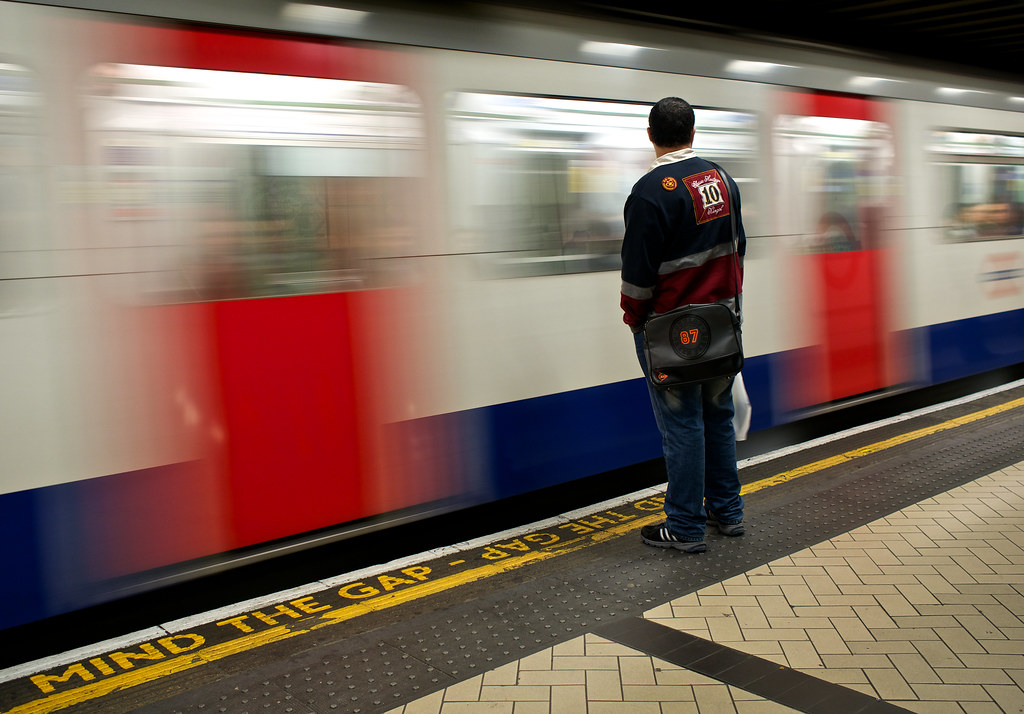
Transport for London (TfL) stands as a cornerstone for anyone seeking to understand or report on the intricate dynamics of urban life in the UK capital. As the integrated transport authority for Greater London, TfL is responsible for a vast array of services, from the iconic Underground and bus network to roads, cycling infrastructure, river services, and the London Overground. Beyond its operational role, TfL is also a significant repository and provider of data, making it an indispensable resource for urbanists, journalists, researchers, and engaged citizens.
This reference page outlines how TfL's publicly available information and open data initiatives can be leveraged for accurate and insightful reporting on London's transit systems, street-level conditions, and overall service quality.
Understanding TfL's Remit and Information Provision
TfL's responsibilities extend across almost all modes of transport within London, influencing everything from daily commutes to long-term urban development. This broad remit means that its official website, tfl.gov.uk, serves as a comprehensive hub for real-time service updates, travel planning, project information, policy documents, and corporate reports. For reporting on current transit conditions, such as line closures, delays, or planned engineering works, the TfL website is the definitive primary source. Similarly, for understanding policy shifts related to cycling infrastructure, bus network changes, or road schemes, official announcements and consultations found on TfL's site are crucial.
TfL's commitment to transparency is further demonstrated through its publication of performance data. This includes metrics on punctuality, customer satisfaction, and incident reporting, which are vital for assessing service quality across different transport modes.
The Power of TfL Open Data
One of TfL's most valuable contributions to urban reporting is its extensive Open Data platform. This initiative provides free, public access to a wide range of real-time and historical data sets, enabling developers, researchers, and the public to build applications, conduct analyses, and monitor trends. The data covers various aspects of London's transport network, offering granular insights that would otherwise be inaccessible.
For urban reporting, TfL Open Data offers unparalleled opportunities to move beyond anecdotal evidence and provide data-backed analysis. Journalists and researchers can use this data to track changes in passenger numbers, identify areas with frequent service disruptions, analyse the impact of new infrastructure, or even map trends in cycling or pedestrian activity.
Key Data Categories for Reporting
The TfL Open Data platform makes a variety of data types available. Here are some categories particularly relevant for reporting on transit, streets, and service quality:
- Real-time Service Data: Live updates on Tube, bus, DLR, Overground, and other services, including delays, disruptions, and planned works. | Immediate reporting on transport network status, impact of incidents.
- Timetable Data: Scheduled arrival/departure times, route information for all transport modes. | Analysing service reliability, comparing scheduled vs. actual performance.
- Fares and Ticketing: Information on fares, fare zones, Oyster card usage, and contactless payments. | Reporting on affordability, changes in travel costs, impact on different demographics.
- Cycling and Walking: Data on cycle hire usage, cycle count points, and pedestrian flow. | Assessing active travel trends, evaluating infrastructure effectiveness.
- Road Network Status: Information on road closures, traffic incidents, and congestion. | Reporting on traffic management, impact of roadworks, urban mobility.
Further details and specific data feeds can be found directly on the TfL Open Data portal, where users can explore available datasets and access API documentation. Readers should consult the official TfL Open Data site for the most current list of available data sets and their terms of use.
Reporting on Street Conditions and Public Realm
While TfL's primary focus is transport, its responsibilities inherently extend to the public realm, particularly roads and associated infrastructure. TfL manages London's Strategic Road Network (SRN), which includes major arterial roads, tunnels, and bridges. Information regarding road maintenance, major infrastructure projects, and traffic management schemes on the SRN is published on the TfL website.
For reporting on street conditions, such as pavement quality, lighting, or street furniture, TfL's direct data may be more limited to the SRN. However, its overall planning documents and policy papers often contextualise these issues within broader urban design and public realm strategies for London. For localised street conditions not on the SRN, local borough councils are generally the primary authority.
Assessing Service Quality
TfL regularly publishes reports and statistics related to service performance and customer experience. These often include:
* Punctuality and reliability statistics: For Tube lines, bus routes, and other services.
* Customer satisfaction surveys: Insights into passenger perceptions of safety, cleanliness, and staff helpfulness.
* Incident reporting: Data on service disruptions, their causes, and duration.
* Accessibility data: Information on step-free access at stations and accessible routes.
These metrics provide a quantitative basis for evaluating and reporting on the quality of London's transport services. When citing such data, it is important to refer to the specific reports or dashboards on the official TfL website, as methodologies and reporting periods can vary.
Limits and Caveats for Reporting
While TfL is an invaluable source, it is important to acknowledge certain limits and best practices for reporting:
* Focus: TfL's data and information primarily cover its direct operational remit. For issues outside this, such as specific local planning decisions (unless directly impacting TfL infrastructure) or social housing policy, other official sources (e.g., local councils, Greater London Authority) would be more appropriate.
* Verification: While TfL strives for accuracy, real-time data is dynamic. Always advise readers to check the official TfL website or apps for the very latest service updates.
* Interpretation: Data requires careful interpretation. Correlations do not always imply causation. Ensure any analysis is robust and clearly distinguishes between raw data and conclusions drawn from it.
* Scope of Open Data: The Open Data platform is continuously updated. What is available today might expand or evolve. Always check the platform directly for the most current offerings.
Sources and limits
This reference page is anchored by information found on the official websites of Transport for London and its Open Data initiative. Readers should consult these primary sources for the most current and detailed information.
- Transport for London: https://tfl.gov.uk/
- TfL Open Data: https://tfl.gov.uk/info-for/open-data-users/
Fuentes
- [{"name": "Transport for London", "url": "https://tfl.gov.uk/"}, {"name": "TfL Open Data", "url": "https://tfl.gov.uk/info-for/open-data-users/"}]
Historial de cambios
Ultima revision y actualizacion: 21 May 2026.
Latest related updates

The Shifting Sands of London’s Green Belt: Balancing Development and Conservation
London's Green Belt is a vital buffer against urban sprawl, but increasing housing demand and the climate crisis are putting it under…
Read update
Seattle Halts New Data Center Development for One Year Amidst Power Concerns
The Seattle City Council has approved a one-year moratorium on new data center construction, responding to concerns raised by the city's power…
Read update
San Francisco Dissolves Bicycle Advisory Committee, Raising Concerns for Cyclist Advocacy
San Francisco's Bicycle Advisory Committee, a key voice for cyclists for over 35 years, has been dissolved as part of a city-wide…
Read update
HUD Suspends Federal Funds for LA Homelessness Agency Amid Fraud Allegations
The U.S. Department of Housing and Urban Development (HUD) has moved to suspend federal funding for the Los Angeles Homeless Services Authority…
Read update